 Skip to content

From Hand-Picked Ore To Early Copper Concentrate: The First Upgrade Revolution
Long before modern flotation plants and long chemical names, copper miners still faced a simple problem. Most rock that came out of the ground was not rich in copper. It was a mix of good ore and worthless waste. If they shipped everything straight to the smelter, they paid to move a lot of rock that would never melt into metal.
The first upgrade revolution was not about computers or complex machinery. It was about a new way of thinking. Instead of asking how much rock they could mine, early operators started asking how much copper they could deliver. That shift, from raw ore to early copper concentrate, changed the economics of entire districts.
Working On The Dressing Floors
At the start, the main tool for upgrading was not a machine. It was the human eye and a simple hammer. On dressing floors above the mine, workers spread ore out on tables or rough surfaces. Women, men, and children sat or stood for hours, breaking stones and picking out the richer pieces.
Typical early steps included:
- Breaking large lumps with hand hammers
- Sorting by color and texture, since rich ore often had a distinct look
- Throwing waste rock into one pile and keeping promising pieces in another
This simple hand picking could already raise the copper content of the material that left the mine yard. Instead of sending every lump underground workers had touched, mine owners shipped only the better quality portion. It was slow work, but it marked the beginning of deliberate upgrading.
The First Machines: Crushing, Washing, and Gravity Separation
From Hand-Picked Ore To Early Copper Concentrate On Moving Water
As mines grew deeper and output increased, hand picking alone could not keep up. Owners looked for ways to process more material without losing too much quality. The answer was a set of early mechanical and water-driven systems that concentrated ore by weight.
New equipment began to appear:
- Stamp mills or crushers that broke ore into smaller fragments
- Sluices and troughs where water washed lighter waste away
- Simple jigging frames and buddles that used gravity to separate heavy copper-rich grains from lighter gangue
Instead of choosing each piece by eye, workers now fed mixed material into systems that did part of the work automatically. The result at the end of the process was the first real copper concentrate. It was not as fine or consistent as modern products, but it contained far more metal per ton than the raw ore that came out of the shaft.
Concentrate As A New Product
This shift turned ore dressing floors into mini processing plants. The mine now produces two main outputs. A smaller volume of high-grade concentrate and a larger pile of tailings that still held some copper, but not enough to justify further work with the available tools.
Smelters liked concentrate because:
- It reduced fuel costs, since they heated less waste
- It allowed them to plan around more predictable grades
- It made long-distance shipping more efficient
Mine’s liked it because they could ask higher prices for each ton that left the yard.
Economics Of The First Upgrade Revolution: Moving Value, Not Just Rock
From Hand-Picked Ore To Early Copper Concentrate And Lower Costs
Shipping was one of the highest costs in early copper mining. Carts, pack animals, tramways, and ships all had limited capacity. Every ton of rock that moved along these routes cost time and money. When the ore left the mine in a concentrated form, that cost was spread over more metal and less waste.
This delivered several benefits.
- Lower transport cost per unit of copper
- Better bargaining power with smelters, since high-grade loads were in demand
- Greater flexibility during price drops, because richer material stayed profitable longer
Some companies invested heavily in improved dressing floors and water systems for exactly this reason. Upgrading at the mine head became just as important as opening new levels underground.
Winners And Losers In The Upgrade Shift
Not everyone gained equally. Mines with access to plenty of water, space, and capital could build better concentration systems. Smaller operators without those advantages sometimes struggled to compete.
There were social changes as well.
- Hand pickers had to adapt to work around new machinery
- Skilled workers who understood water flow and gravity separation became more valuable
- Smelters saw their role shift as more of the basic cleaning was done at the mine
The first upgrade revolution was not driven by a single invention. It was a collection of methods that gradually tilted the balance toward mines that could deliver cleaner, richer material.
People Behind The Process: Labor, Skill, and Everyday Practice
On the ground, upgrading meant new routines for the hidden workforce around copper.
Workers learned:
- How to judge whether a stone deserves hand-picking or machine treatment
- How hard to crush ore so that valuable grains are released but not lost
- How to control water flows so that heavier particles settle where they should
Mistakes had real costs. Crushing too fine or running water too fast could wash valuable copper away with the tailings. Crushing too coarse could leave metal locked inside big lumps that smelters would struggle to treat.
Women and children remained central to this work. Their eyes and hands checked what machines could not see. They picked oversize pieces from broken ore, watched for signs of rich material, and adjusted simple gates and levers as flows changed.
From Early Concentrate Piles To Modern Ingots: KPS And Ingots We Trust
The story of hand-picked ore and early concentrate is a story about learning to see value more clearly. Instead of treating all rock as equal, miners developed ways to separate the metal-rich part from the background stone. That same spirit of clarity still matters wherever copper appears as a store of value.
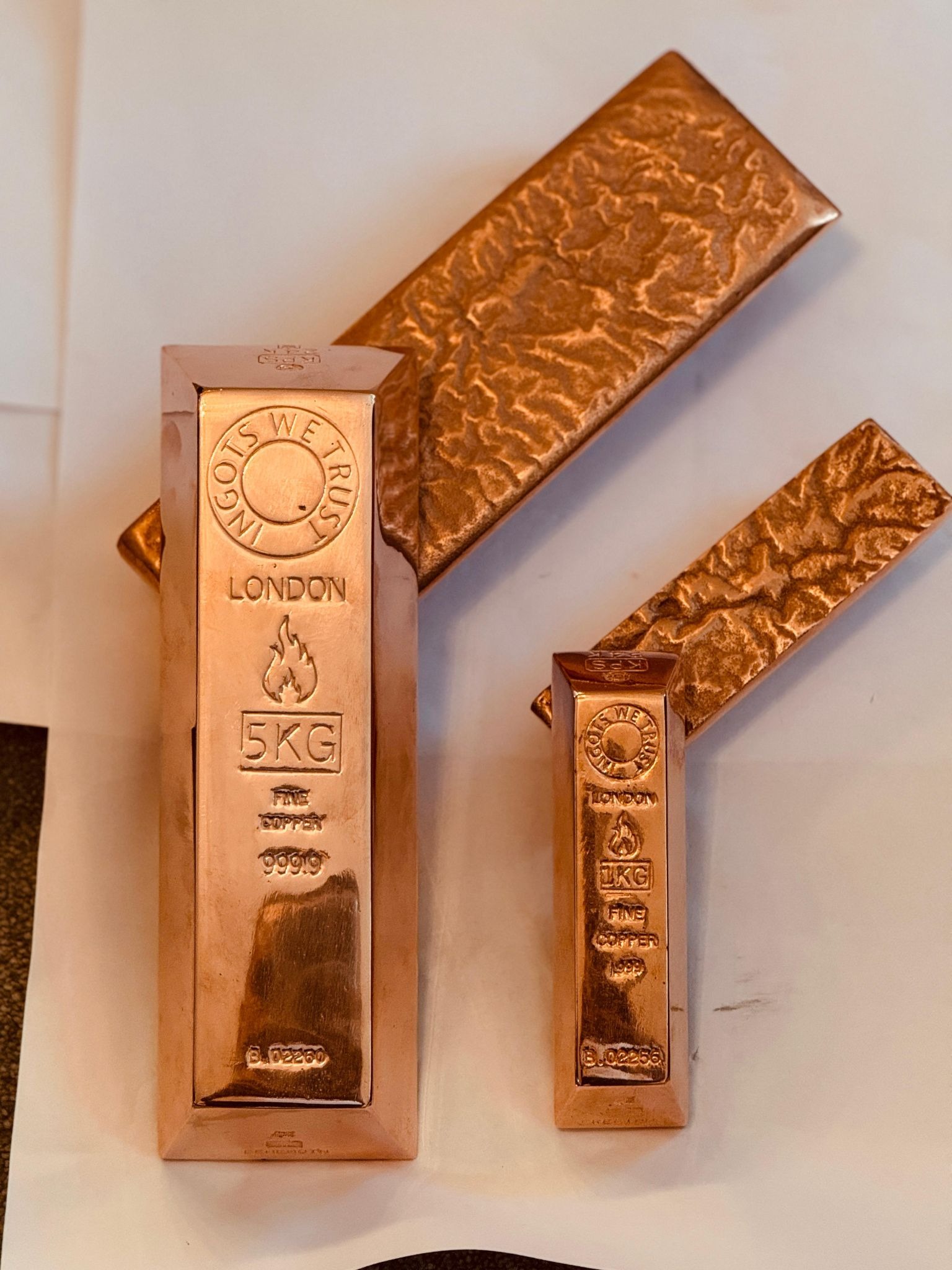
Today, modern platforms such as KPS (Karat Purity Scale) and Ingots We Trust approach copper from the buyer’s side. KPS focuses on transparent purity information. It offers a structured way to understand how much real metal sits inside a bar or ingot, rather than relying only on names or marketing claims.
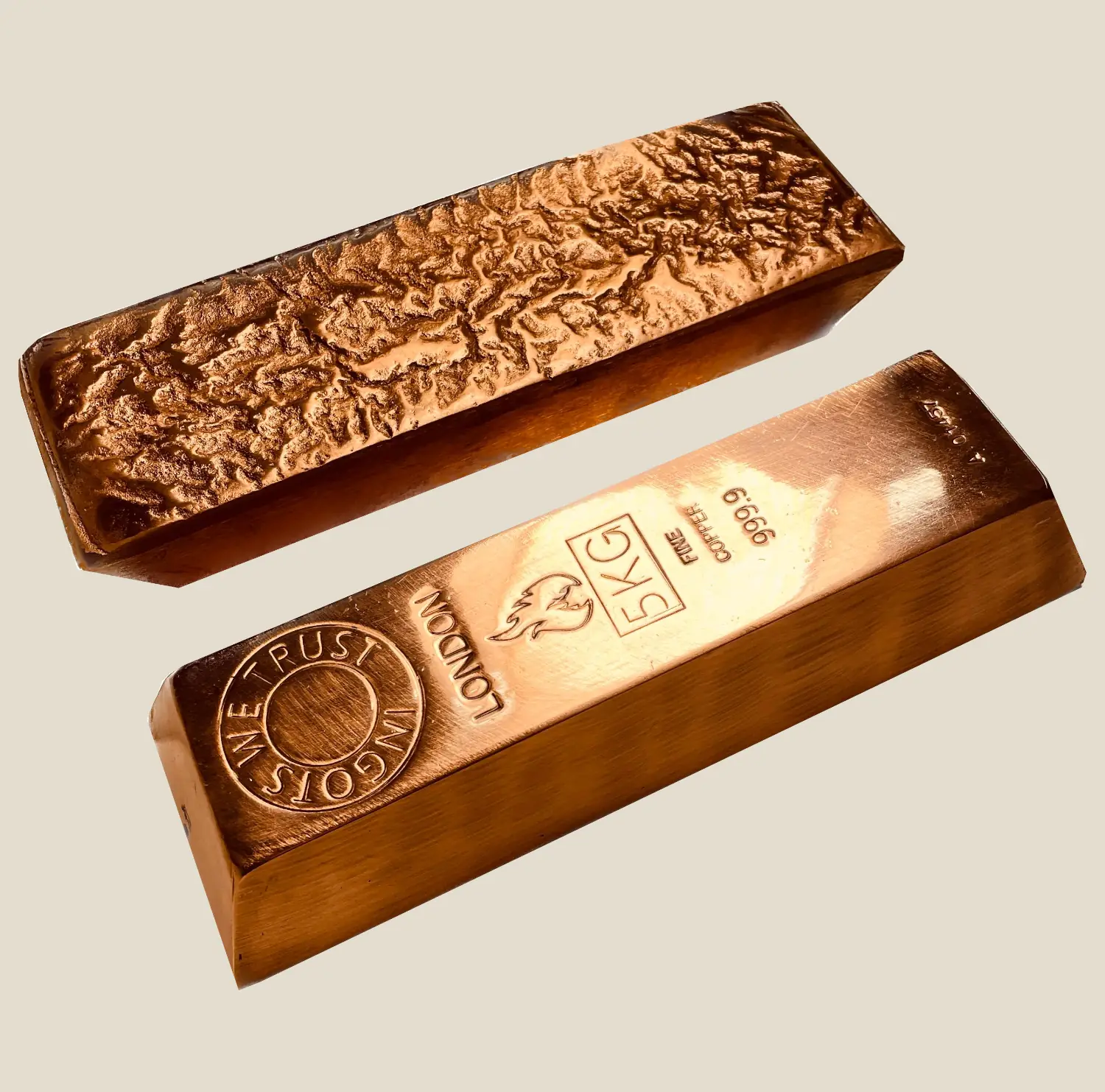
Ingots We Trust highlights specific ingot products, including copper pieces, with clear product details. That helps people treat copper as a serious, informed choice rather than a vague commodity.
In a sense, these tools extend the upgrade idea into the financial world. Instead of upgrading ore in a trough or on a dressing floor, users upgrade their decisions with better data. The goal is the same as it was in the first upgrade revolution. Less waste, more value and a clearer view of where the real copper is. Learn more about Copper Mining And The British Navy: How Metal Kept Wooden Ships Alive
FAQs About Early Copper Upgrading And Concentrate
1. What does hand-picked ore mean in historic copper mining?
Hand-picked ore refers to rock that has been chosen by eye and sorted by workers before any machine processing. People broke larger lumps with hammers and selected pieces that looked rich in copper, discarding obvious waste. This simple step improved the average grade of ore sent to smelters.
2. How was early copper concentrate different from raw ore?
Early copper concentrate had a higher percentage of copper per ton than raw ore. It was produced by crushing, sorting and washing material so that heavier, copper-rich particles were collected together, while lighter waste rock was removed as tailings. This made transport and smelting more efficient.
3. What tools were used in the first upgrade revolution?
Mines used hand hammers, stamp mills or other crushers, water troughs, jigging frames and buddles. These tools combined human labor with gravity and flowing water to separate valuable ore from waste without advanced chemistry or modern machinery.
4. Who did most of the upgrading work at the mine site?
A mix of workers did this job, but women and children played a large role in dressing floors and around the simple concentrating gear. They sorted ore by hand, monitored flows, and removed oversized pieces. Their efforts kept the systems running and protected valuable material from being lost.
5. How do KPS and Ingots We Trust relate to early copper upgrading?
KPS and Ingots We Trust operate in a modern context, yet they share the same goal as early upgrade systems. They aim to separate clear value from background noise. Early miners used water and gravity to create copper concentrate. Modern platforms use transparent purity standards and reliable product information to help buyers see the true metal content in ingots, so that decisions rest on solid facts rather than guesswork.



Leave a Comment