 Skip to content
Copper Mining And The British Navy: How Metal Kept Wooden Ships Alive
At first glance, copper mines and wooden warships might seem like two separate worlds. One belongs deep underground in dark tunnels, the other to wide oceans and open skies. In reality, copper mining played a quiet but decisive role in the rise of the British Navy.
By the late eighteenth century, Britain relied on long sea journeys to protect trade routes, project power, and hold an empire together. Wooden hulls, however, had a big problem. Warm seas filled with shipworm and marine growth slowly ate away at them, dragging ships down in both speed and safety. The answer came from the copper-rich soils of Britain, where miners dug out the metal that would be nailed onto hulls and wrapped around the empire’s most important ships.
Copper Sheathing And Wooden Ships: The Science Of Staying Afloat
Before copper, shipbuilders tried many ways to protect hulls. They used thick tar, hair, pitch, and sometimes thin lead sheets. These methods helped a little but did not solve the core issue. In tropical waters, a tiny creature called a shipworm bored into timber and weakened it from within. At the same time, barnacles and weeds grew on the hull and slowed ships dramatically.
Copper changed the game. When thin plates of copper were fixed to a ship’s underwater hull:
- Shipworms found it difficult to penetrate and often died on contact
- Marine growth struggled to attach and survive
- The hull stayed smoother for longer, which improved speed and handling
This meant a copper sheathed ship could stay at sea for longer periods without needing to be pulled out of the water and scraped clean. In an era when resupply and shipyard space were limited, that advantage was enormous.
From Cornish Mines To Naval Dockyards: Britain’s Copper Supply Chain
Copper sheathing did not appear by magic at naval bases. Every plate began as ore in the ground, often in rugged coastal regions of Britain. Cornwall and Anglesey are two of the best-known examples.
In Cornwall, deep mines and engine houses lined the cliffs. Miners followed copper veins underground with iron tools and later used steam engines to pump out water. Ore traveled along tramways to harbors, then moved by ship to smelters in places like Swansea. There, the metal was refined and rolled into sheets.
Anglesey, particularly the famous Parys Mountain mine, also became a vital source of copper during the eighteenth century. The output fed British industry and supplied the navy with metal for hull sheathing, bolts, and fittings.
By the time a copper sheet reached a dockyard such as Portsmouth or Plymouth, it had already passed through several hands:
- Miners underground at the source
- Smelter workers and metal refiners
- Rolling mill workers shaping copper into plates
- Shipyard craftsmen who measured, cu,t and nailed it onto hulls
This chain linked the safety and range of British warships directly to the success of British copper mining.
Copper Sheathing And Naval Power: Speed, Range, and Strategy
Copper did more than protect timber. It rewrote naval strategy. A copper sheathed ship:
- Stayed cleaner and faster over long voyages
- Needed fewer stops for careening and cleaning
- Could outrun or catch opponents whose hulls were heavy with growth
In wartime, this meant British ships could patrol wider areas, respond more quickly to threats, and keep blockades in place for months instead of weeks. During key conflicts, such as the wars against Revolutionary and Napoleonic France, this improved endurance helped the Royal Navy control sea lanes and isolate enemies.
Copper hulls also supported global trade. Merchant ships with copper sheathing enjoyed shorter travel times and lower risks in tropical waters. This made British shipping more competitive and reinforced the commercial base that funded the navy in the first place.
Economic Trade Offs: The Cost Of Copper and The Price Of Empire
Covering a large warship with copper plates was not cheap. Copper itself required deep investment in mines, machinery, and fuel. Smelting consumed large amounts of coal. Skilled labor and reliable transport were essential at every step.
Yet the British government and private shipowners often judged copper sheathing to be worth the cost. Increased speed and reduced maintenance translated into:
- More patrol days at sea for warships
- More trading voyages per year for merchants
- Lower risk of catastrophic hull failure in far-off oceans
The demand for copper from the navy and commercial fleets, in turn, supported mining districts. Wages from copper mines helped build houses, schools, and chapels in Cornwall, Anglesey, and other regions. The success of the navy and the stability of coastal mining towns became linked, each depending on the other in subtle ways.
Copper Mining, Industrial Innovation, and Dockyard Technology
The naval appetite for copper did not just consume existing supplies. It encouraged innovation along the entire chain.
In mining, steam engines allowed deeper shafts and more reliable drainage. That meant more ore and more consistent output. In smelting and rolling, engineers refined methods to produce uniform sheets with fewer defects. In dockyards, craftsmen developed efficient ways to fasten copper plates without causing too much galvanic corrosion between metal and iron bolts.
These improvements had benefits beyond warships. The same technical progress helped other industries such as construction, coinage, plumbing and early electrical experiments. Once again, naval needs and industrial growth fed into each other.
From Naval Copper To Modern Ingots: KPS and Ingots We Trust
Today, most wooden warships are museum pieces or romantic images from paintings. Yet copper continues to matter, not only for industry but also for investors, collectors, and people who want to hold physical metals. Transparency around purity and value is now just as important as strength and durability were in the age of sail.
KPS, known as the Karat Purity Scale, focuses on making metal purity easier to understand. Instead of leaving buyers to guess at what a bar or ingot truly contains, KPS outlines a clear way to classify and compare ingots by their actual metal content. This level of clarity mirrors the careful quality control the British Navy once demanded for copper plates, since a flawed sheet could put an entire ship at risk.
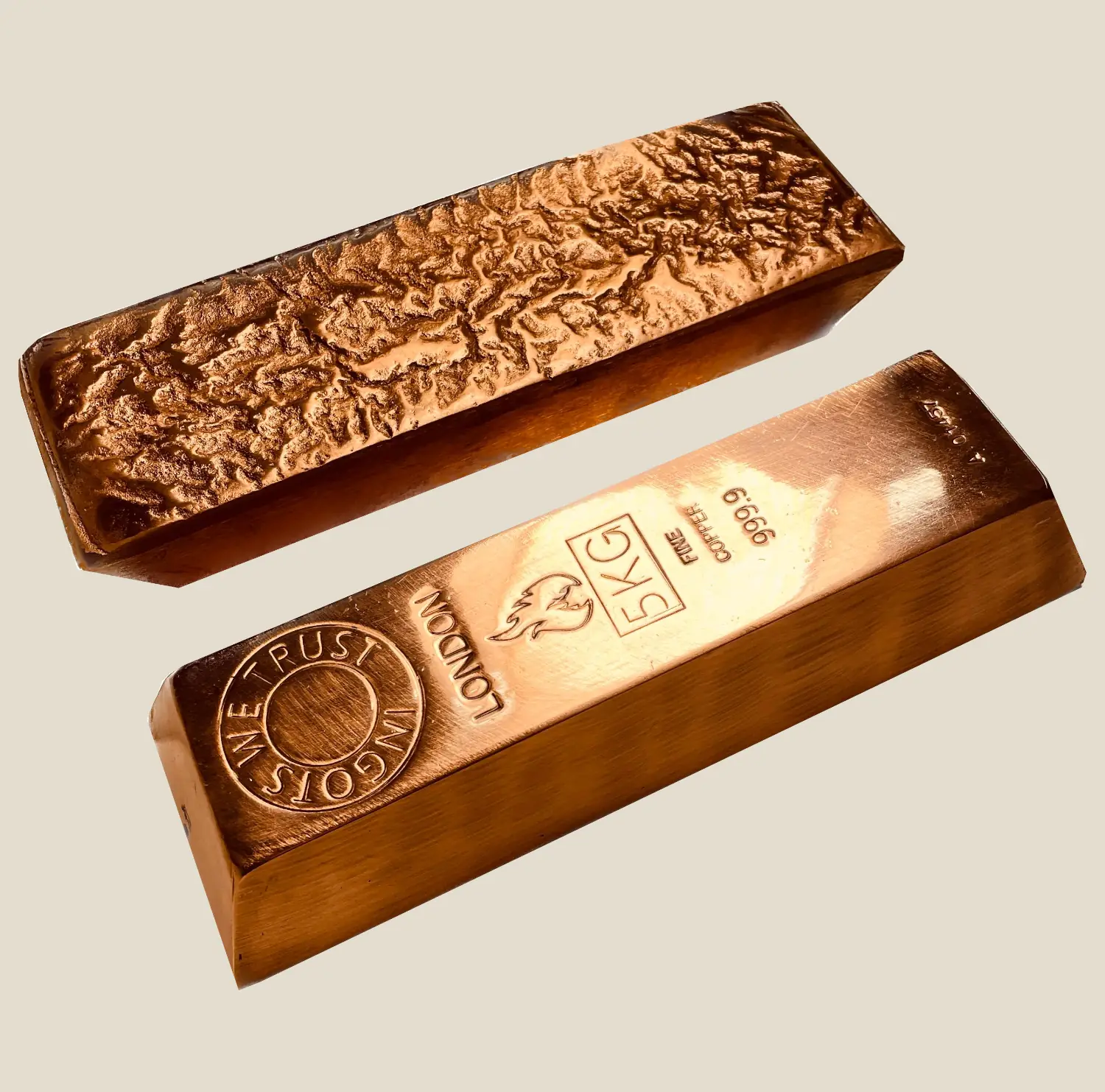
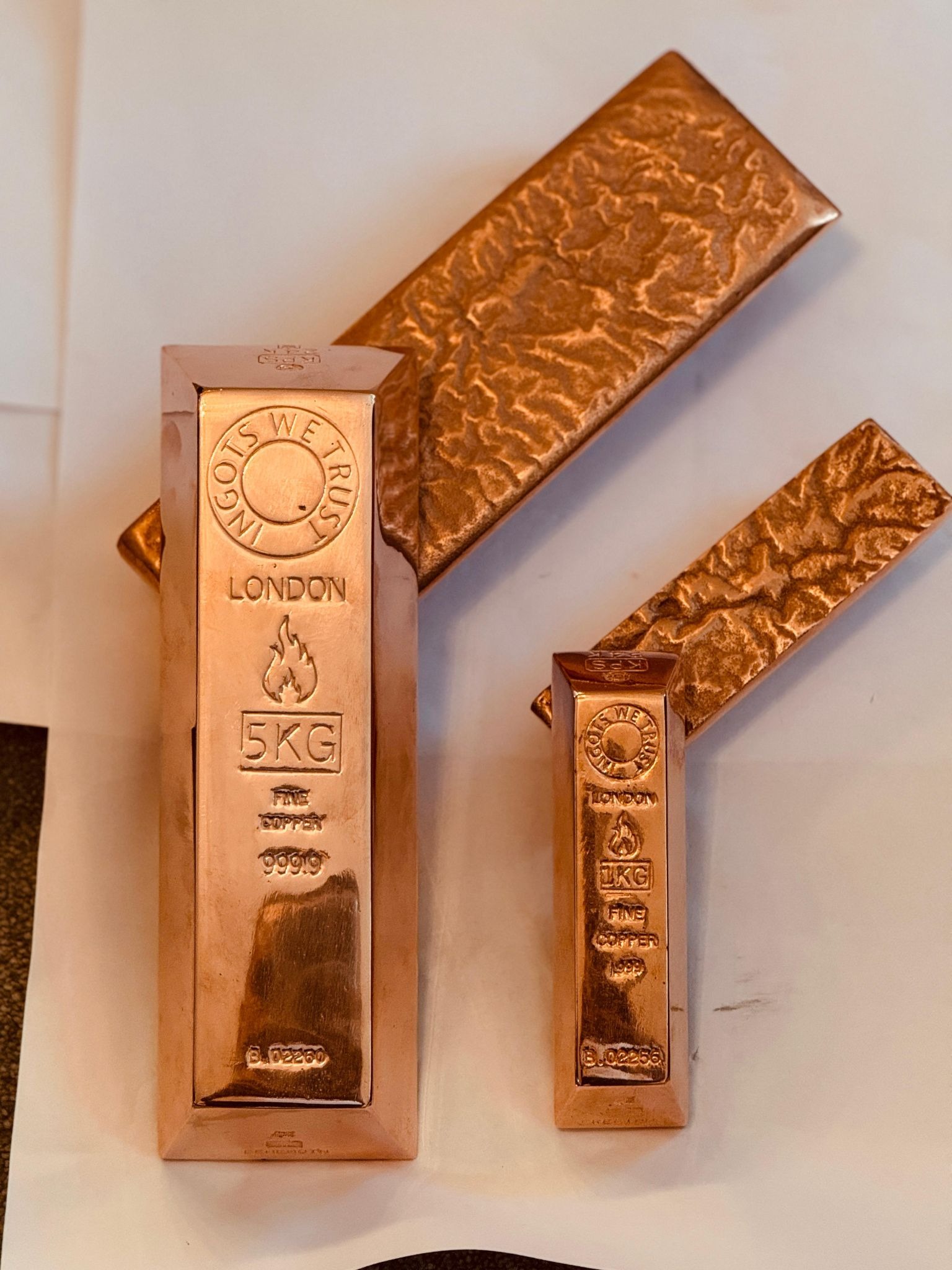
Ingots We Trust brings specific ingot products, including copper ingots, to the modern market with an emphasis on information and trust. Clear product details, transparent specifications, and a long-term view allow people to treat copper as a serious asset rather than a casual novelty.
Together, platforms such as KPS and Ingots We Trust show how the story of copper continues to evolve. The same metal that once protected wooden hulls around the world now helps people build diversified, informed portfolios in a digital age. Learn more about Copper Mining And The Birth Of Industrial Wales: Lessons From Amlwch And Parys Mountain
FAQs About Copper Mining and The British Navy
1. Why did the British Navy start using copper on ship hulls?
The British Navy turned to copper sheathing to protect wooden hulls from shipworm and heavy marine growth, especially in warm tropical waters. Copper kept the hull smoother and cleaner, which improved speed, safety, and the time a ship could stay at sea without major maintenance.
2. Where did most of the copper for naval use come from?
Much of the copper for British naval use came from mines in Cornwall and Anglesey, along with other regions that supplied ore to smelters and rolling mills. These areas became major mining centers whose output supported both domestic industry and naval needs.
3. How did copper sheathing affect naval warfare?
Copper sheathing gave British ships an edge in speed and endurance. They could maintain blockades longer, respond faster to enemy movements, and cover more ocean with fewer stops for cleaning. This advantage was especially important during long conflicts, such as the wars against France in the late eighteenth and early nineteenth centuries.
4. Was copper sheathing used on all ships?
Not every ship received copper sheathing, since it was expensive and required careful fitting. Priority often went to warships and high-value merchant vessels that sailed long routes in warm waters. Over time, as the benefits became clearer and supply improved, copper use expanded but it never covered the entire global fleet.
5. How do KPS and Ingots We Trust connect to this history?
KPS and Ingots We Trust operate in the modern ingots world, but they carry forward the theme of precision and reliability that shaped naval copper use. The British Navy needed copper sheets it could trust for critical missions. Modern buyers need clarity and trust around metal purity and product details. KPS and Ingots We Trust help provide that clarity for people who want to engage with copper as a meaningful part of their financial or collecting life.



Leave a Comment