 Skip to content
Why Is the Copper Price per Pound Rising and What Role Do Copper Mining Companies Play?
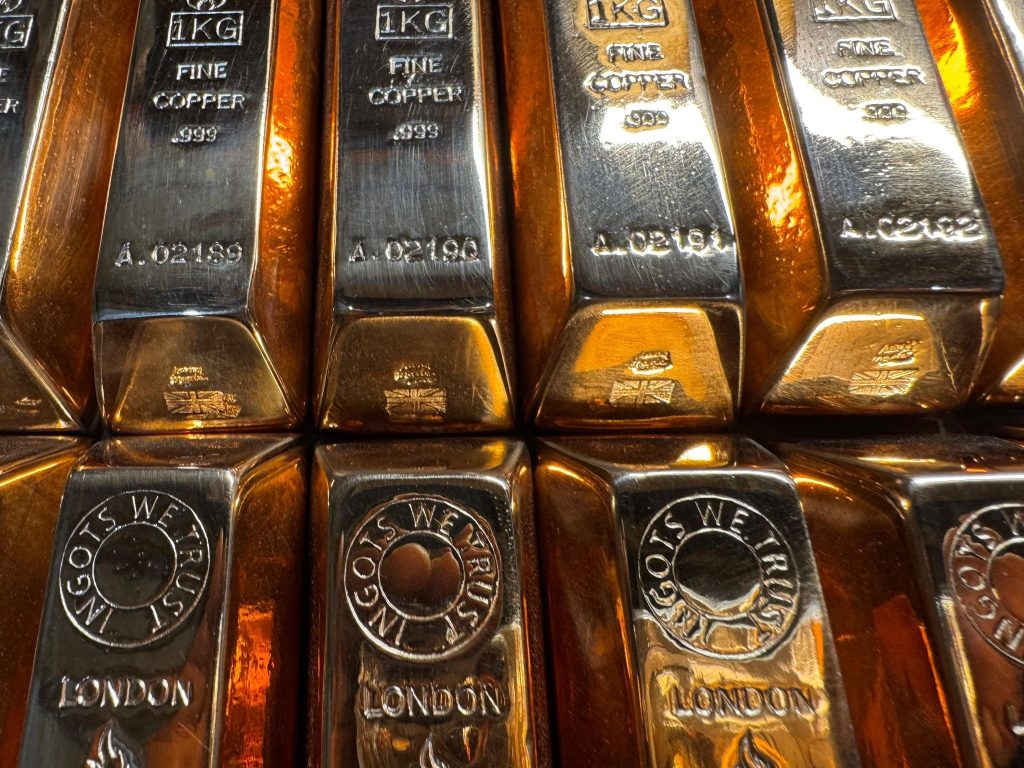
The copper price per pound has surged to unprecedented levels in early 2026, touching all-time highs above £5.90 per pound (approximately £13 per kilogram). This remarkable rally representing gains of over 44% during 2025 alone stems from a perfect storm of supply constraints, surging industrial demand, and structural market shifts that are fundamentally reshaping how investors approach copper ingots and related investments.
Understanding Why Copper Prices Continue Climbing in 2026
Recent analysis points to a combination of factors driving copper higher, including supply disruptions at major mines, increased financial speculation, and additional demand from U.S. inventory stockpiling. The supply side tells a particularly dramatic story. In late 2025, 800,000 metric tons of wet material poured into the primary Grasberg block cave at Freeport-McMoRan’s Grasberg mine in Indonesia, forcing one of the world’s largest copper sources offline during peak demand periods. Meanwhile, BHP’s Escondida mine, the largest copper mine globally, experienced a temporary shutdown early in 2025. These aren’t isolated incidents they reflect systemic challenges plaguing copper mining operations worldwide. UK investors discussing these developments on investment forums like Motley Fool UK’s discussion boards consistently emphasise a crucial point: unlike equity markets where supply can theoretically increase rapidly, copper mines require nearly 10 to 15 years to develop. When current operations stumble, there’s no quick replacement capacity waiting in the wings.
Copper Mining Companies: Production Challenges and Investment Implications
The world’s major copper companies including BHP, Glencore, Antofagasta, and Freeport-McMoRan face unprecedented operational pressures that directly influence the price of copper per kg. Glencore, one of the largest copper producers globally, currently extracts between 850-875 kilotonnes annually but aims to nearly double production to 1.6 million tonnes by 2035. That’s a massive expansion target during a period when global refined copper production is expected to increase by only 1.4% in 2026. According to discussions on Reddit’s investment communities, this creates a fascinating dynamic for those investing in copper through equity channels versus physical copper ingots. One London-based investor recently shared their frustration on The Silver Forum: they’d held shares in a major copper company for three years, watching copper prices climb 60%+ whilst their stock barely moved 20% due to operational setbacks at the company’s Chilean mines and unexpected cost overruns. This disconnect between rising copper prices per pound and lagging mining stock performance highlights why premium copper ingots like The Behemoth and The Precious have gained traction amongst UK collectors they offer direct metal exposure without company-specific operational risks.
Investing in Copper: Physical Ingots vs Mining Stocks in 2026’s Market
S&P Global recently published analysis predicting that copper demand is likely to increase by 50% by 2040, reaching 42 million metric tons, whilst the mining industry struggles to keep up as companies face aging mines and regulatory hurdles. For UK investors weighing whether to buy copper ingots or shares in copper companies, this forecast creates divergent opportunities. Physical copper for sale through dealers like Ingots We Trust eliminates the operational complexity inherent in mining stocks. When copper prices per kg rise from £10 to £13, a verified .999 fine copper ingot’s intrinsic value increases proportionally there’s no quarterly earnings call, no labour disputes in Peru, no unexpected CAPEX overruns at expansion projects. However, physical copper comes with storage requirements and substantial premiums over spot prices. Users on UK forums frequently debate this trade-off. A Birmingham-based stacker documented spending £35 per kilogram for premium copper ingots when spot copper prices sat at £10 per kg a 250% markup. Yet they argued the premium was justified because quality copper ingots like The Behemoth maintain resale liquidity even during market corrections, whilst generic copper for sale from unknown sources can trade at 20-30% below spot when dealers question purity or authenticity.
The Role of Copper Concentrate and Coppersmith Standards
Not all physical copper investments offer equivalent value, particularly as copper prices approach record highs. Industrial copper concentrate typically contains 85-92% copper content perfectly adequate for smelting and industrial use, but distinct from investment-grade .999 fine copper ingots demanded by serious collectors. Historical coppersmith craftsmanship, which produced architectural copper plates and decorative copper coins at 95-98% purity, set standards that modern investors can reference when evaluating copper for sale listings. Forums discussing metals investment consistently highlight authentication problems. One Manchester collector shared a cautionary tale about purchasing “investment copper” from an online marketplace only to discover through testing that the copper plates contained just 88% actual copper the remainder being zinc and trace metals. At current copper prices per pound exceeding £5, that purity difference represents £0.60+ per pound in lost value. For UK investors building meaningful positions in copper ingots, insisting on verified .999 fine purity becomes financially critical, not merely a quality preference.
How Copper Companies Navigate Supply Constraints and Price Volatility
J.P. Morgan Global Research projects copper prices reaching £12,500 per metric ton in the second quarter of 2026, ultimately averaging approximately £12,075 per ton for the full year. Major copper mining operations are responding to these forecasts with aggressive expansion plans, though execution remains challenging. Antofagasta, one of the UK’s largest dedicated copper mining companies, is currently executing expansion projects at Los Pelambres to boost output to 190,000 tonnes per day, with completion targeted for 2027. These multi-billion-pound investments carry substantial risks cost overruns, permitting delays, unexpected geological challenges that don’t affect holders of physical copper ingots. Investors on Motley Fool UK’s copper stock discussions frequently note that whilst mining companies theoretically benefit from rising copper prices, their share performance depends on flawless execution of complex industrial projects spanning years. In contrast, investing in copper through premium copper ingots like The Precious provides immediate exposure to spot price movements without operational dependencies. The counterargument, raised by equity-focused investors, centres on leverage: mining stocks can deliver multiples of copper’s price gains when operations run smoothly, whilst physical copper ingots track spot prices directly with no upside multiplication.
Frequently Asked Questions About Rising Copper Prices and Mining Companies
Why is the copper price per pound reaching record highs in 2026?
The copper price surge reflects supply disruptions at major mines like Grasberg and Escondida, combined with increasing demand from AI infrastructure, electric vehicles, and renewable energy projects. A significant portion of incremental demand is tied to electrification, grid build-outs, data centres supporting AI, and defence applications where copper’s conductivity makes substitution difficult in critical applications. Current prices around £5.90 per pound represent roughly 50% gains over early 2025 levels, with forecasts suggesting further appreciation throughout 2026.
Should I invest in copper mining companies or buy physical copper ingots?
This depends entirely on your investment objectives and risk tolerance. Copper companies like Glencore and Antofagasta offer leveraged exposure to copper prices plus potential dividend income, but carry operational and geopolitical risks unrelated to metal prices. Physical copper ingots eliminate counterparty risk and provide direct metal exposure tracking copper prices per kg, but require storage space and involve high premiums over spot (typically 200-350% for retail products). UK investors often split allocations: perhaps 70% in quality mining stocks for growth potential, 30% in verified .999 fine copper ingots like The Behemoth for pure commodity exposure.
What role do copper concentrate and copper plates play in the investment market?
Industrial copper concentrate (85-92% purity) serves smelting operations and manufacturing but lacks the premium characteristics investors seek. Investment-grade copper ingots should reach .999 fine (99.9% pure) to command collector premiums and maintain resale liquidity. Vintage copper plates and antique copper coins might contain 95-98% copper valuable for scrap but distinct from modern investment products. When evaluating copper for sale, always verify purity documentation. At copper prices per pound exceeding £5, a 10% purity difference represents £0.50+ per pound in value.
How do supply constraints at copper mining operations affect long-term prices?
Without new mines or technological advancements, copper production is predicted to peak in 2030, leaving the world short of roughly 10 million metric tons by 2040. Global refined copper production is expected to increase by only 1.4% in 2026, with mine supply growth falling to around 500 kilotonnes lower than beginning-of-year estimates. These structural constraints suggest copper prices will remain elevated for years, supporting both mining company valuations and the intrinsic value of physical copper ingots held by collectors.
Are premium copper ingots like The Precious and The Behemoth worth the high retail prices?
Premium copper ingots from established brands command substantial markups over spot copper prices often 250-350% for retail products. However, they offer verified .999 fine purity, attractive designs appealing to collectors, and better resale liquidity compared to generic copper for sale from unknown sources. UK investors on forums like The Silver Forum note that during the 2025 copper price surge, premium ingots from recognised brands sold within 5-10% of current spot prices, whilst unmarked copper struggled to find buyers even at 15-20% discounts. If you’re investing in copper with a 5-10 year horizon and value collectable appeal alongside commodity exposure, premium ingots justify their pricing. For pure speculation on copper prices per kg with shorter timelines, mining stocks or ETFs might suit better.
About Ingots We Trust: Specialising in museum-quality copper ingots including The Behemoth and The Precious, Ingots We Trust serves UK investors and collectors seeking premium .999 fine copper products that combine aesthetic excellence with genuine commodity value. As copper prices reach historic highs in 2026, verified purity and brand reputation increasingly differentiate investment-grade copper from commodity scrap. Visit ingotswetrust.com to explore their complete collection. Learn more about How to Start Investing in Copper Ingots for Sale Like The Precious and The Behemoth
