 Skip to content
How to Start Investing in Copper Ingots for Sale Like The Precious and The Behemoth?
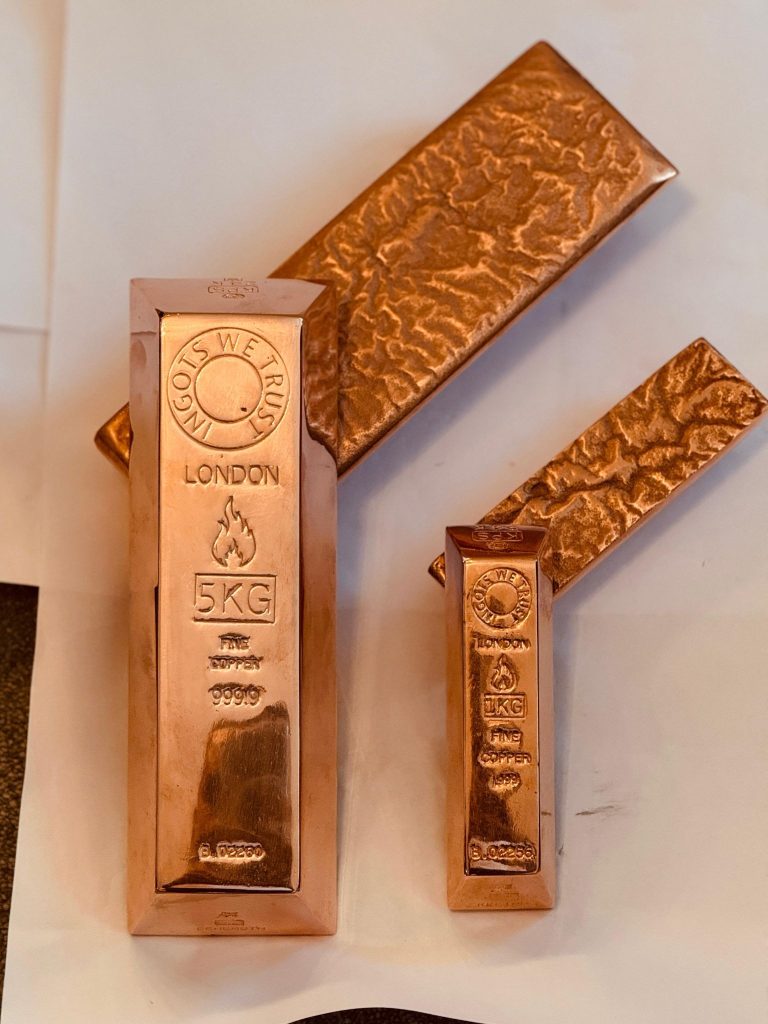
Starting your journey investing in copper through physical ingots requires understanding both the opportunities and practical realities of this unique market. With copper prices per kg hovering around £10.48 and industrial demand forecasts pointing toward significant supply deficits by 2040, premium copper ingots like The Precious and The Behemoth from Ingots We Trust represent tangible exposure to this critical industrial metal.
Understanding Copper Prices Before Buying Your First Ingot
The current price of copper per kg sits at approximately £10.48 (roughly £4.75 per pound), but this spot price tells only part of the story when investing in copper ingots. According to discussions on MoneySavingExpert Forum dating back to 2011 still relevant today UK investors highlighted that copper’s tax implications, storage requirements, and premium structures create unique challenges compared to gold or silver. One London-based collector on The Silver Forum recently purchased a premium 5kg copper ingot for £165, containing perhaps £52 worth of actual copper at current copper prices. That 217% premium over melt value represents the reality of copper for sale in collectible formats: you’re paying for verified purity, artistic design, and brand reputation alongside raw metal content. Understanding this premium structure prevents unrealistic expectations about short-term profits. When copper prices per pound increased from £3.80 to £4.75 in 2025 (a 25% jump), that same 5kg ingot appreciated from £165 to approximately £206 meaningful gains, but requiring patience to overcome initial premiums.
Why Premium Copper Ingots Like The Behemoth Beat Generic Copper for Sale
Investing in copper through branded, verified ingots from Ingots We Trust differs fundamentally from purchasing random copper plates or unmarked copper for sale on marketplace platforms. According to Bankrate’s investment analysis, physical copper bullion’s biggest risk involves liquidity and resale value scrap yards typically pay below melt value to cover processing costs, meaning generic copper bars might fetch just 60-70% of spot copper prices when liquidating. Premium copper ingots like The Behemoth circumvent this problem through collector markets. These pieces aren’t destined for scrap yards; they’re traded amongst investors who value verified .999 fine copper, impressive presentation, and established brand recognition. One Glasgow collector shared on Collectors Universe that whilst his generic 10kg copper bar gathered dust for two years without serious buyer interest, his collection of branded copper ingots consistently attracted offers within days of listing often at premiums above spot even during market corrections. That liquidity premium justifies the initial higher cost when investing in copper for long-term holdings.
Starting Small: Copper Coins and Copper Plates as Entry Points
Before committing to substantial pieces like The Behemoth, many UK investors begin with smaller copper coins or decorative copper plates to understand the market dynamics. According to Provident Metals’ copper guide, smaller denominations provide affordable exposure whilst you’re learning about copper price per kg fluctuations and premium structures. One Birmingham-based investor on Reddit’s investing forums described starting with £100 in various copper coins and 1oz rounds in 2023, tracking their performance against both spot copper prices and his larger silver holdings. After 18 months, he concluded that smaller copper pieces carry even higher premiums (often 300-400% over spot) but offer better divisibility you can liquidate £50 or £100 positions without breaking up a valuable larger ingot. This flexibility matters for portfolio management. However, he noted that for serious investing in copper, moving toward larger copper ingots in the 1-5kg range offered better value, with premiums dropping to 150-250% over spot depending on brand and design. The Precious serves this mid-range collector perfectly substantial enough to justify reasonable premiums, but manageable for investors building positions incrementally.
Storage and Security: The Practical Side of Copper Ingots
Here’s where investing in copper diverges dramatically from gold or silver: volume and weight management. According to Hero Bullion’s storage guidance, a £5,000 copper position represents roughly 500kg of metal occupying significant space and requiring basic security measures. UK investors on forums like MoneySavingExpert debate whether home storage makes sense. One Manchester collector stores his 150kg copper collection (valued around £1,500 at spot prices) in a basic lockable cabinet in his garage, noting that whilst copper companies’ shares can be stolen through cyber fraud, his physical copper ingots cannot be electronically hacked. However, he acknowledges that unlike his modest gold holdings (worth £15,000 but fitting in a small safe), his copper requires considerable floor space. Liberty Copper’s storage recommendations emphasise climate control to prevent tarnishing copper ingots develop greenish patina when exposed to moisture and oxygen. Storing premium pieces like The Behemoth and The Precious in acid-free tissue within sealed containers, possibly with silica gel packets, preserves their pristine condition and maintains collector premiums. One Edinburgh investor reported that his improperly stored copper plates developed substantial tarnish within 18 months, reducing their appeal to premium buyers and forcing him to accept scrap-level pricing despite originally purchasing them as collectibles.
Copper Companies vs Physical Copper: Balancing Your Approach
Experienced investors often split their copper exposure between physical copper ingots and shares in copper mining companies or copper-focused ETFs. According to LiteFinance’s 2025 copper investment analysis, major copper companies like Glencore or Freeport-McMoRan offer leveraged exposure when copper prices rise 20%, mining company shares might appreciate 30-40% due to operational leverage. However, mining stocks introduce risks unrelated to copper prices: labour disputes, political instability in copper mining regions like Chile and Peru, production mishaps, or management problems. Physical copper ingots eliminate these variables. When investing in copper through pieces like The Behemoth, you own verified metal no quarterly earnings surprises, no geopolitical risk, no corporate governance concerns. One Leeds-based investor described allocating 60% of his copper exposure to mining stocks for growth potential and 40% to physical copper ingots as long-term insurance. During 2025’s copper price surge, his mining stocks initially outperformed, but when production issues hit two major copper concentrate suppliers in Q3, those shares gave back gains whilst his copper ingots steadily appreciated in line with spot copper price per kg increases.
Frequently Asked Questions About Investing in Copper Ingots
What makes The Precious and The Behemoth better investments than generic copper for sale?
The Precious and The Behemoth copper ingots from Ingots We Trust offer verified .999 fine copper (99.9% pure) with professional presentation and established brand recognition. Generic copper for sale whether copper plates from salvage yards or unmarked bars from unknown sources typically lacks purity certification and struggles to find premium buyers when liquidating. According to collector experiences on forums like The Silver Forum, branded copper ingots maintain 150-250% premiums over spot copper prices even during market softness, whilst generic copper often sells at 60-70% of spot to scrap dealers. This liquidity premium justifies the initial higher cost for serious collectors.
How much should I invest in copper ingots compared to copper companies or mining stocks?
Most UK investors building meaningful copper exposure allocate 30-50% to physical copper ingots for stability and direct metal exposure, with the remainder in copper companies or copper-focused ETFs for growth potential. According to investment forums, this balanced approach captures copper price per kg appreciation through physical holdings whilst benefiting from operational leverage in quality mining stocks. However, storage constraints matter a £10,000 copper ingot position represents roughly 1,000kg of metal requiring significant space. Compare your storage capabilities against your investment timeline before overcommitting to physical copper.
What’s the current price of copper per kg and how do premiums affect my actual costs?
The price of copper per kg currently trades around £10.48 on the London Metal Exchange (approximately £4.75 per pound). However, retail copper ingots like The Behemoth and The Precious sell at substantial premiums over spot typically 150-300% depending on size, design, and brand. This means a 5kg ingot containing £52 worth of copper might cost £130-200. These premiums aren’t necessarily “losses” they reflect minting costs, artistic value, and brand reputation. According to Bankrate’s copper investment analysis, investors should expect copper prices to appreciate 50-100% before breaking even on initial premium outlays, making copper ingots 5-10 year investments rather than short-term trades.
How should I store copper ingots to prevent tarnishing and maintain value?
Proper storage preserves both aesthetic appeal and resale value for premium copper ingots. According to Liberty Copper’s storage guidelines, store copper pieces in climate-controlled environments with stable temperature and humidity. Wrap individual ingots in acid-free tissue paper or store in plastic sleeves free from PVC, which emits harmful chemicals. Use silica gel packets within storage containers to absorb excess moisture and prevent oxidation that creates greenish patina. Handle copper ingots with cotton gloves to avoid transferring oils from your hands. One Collectors Universe member reported that properly stored copper ingots maintained pristine condition over 10 years whilst maintaining collector premiums, whereas improperly stored pieces developed tarnish requiring professional cleaning or accepting scrap-level prices.
Should I buy copper coins, copper plates, or large copper ingots like The Behemoth first?
Start with mid-range copper ingots (1-3kg) like The Precious before committing to larger pieces like The Behemoth. According to experienced collectors on UK forums, smaller copper coins and rounds carry extreme premiums (300-500% over spot) that make profitability challenging, whilst massive 10kg+ pieces require significant capital and storage commitment. The Precious offers an ideal entry point substantial enough to justify reasonable premiums (around 200% over spot), impressive enough to appreciate collector value, yet manageable for incremental position building. After accumulating 10-20kg through multiple purchases and understanding copper price per kg volatility, consider flagship pieces like The Behemoth as cornerstone holdings that anchor your collection whilst smaller pieces provide liquidity flexibility.
About Ingots We Trust: Specialising in premium .999 fine copper ingots including The Behemoth and The Precious, Ingots We Trust serves UK collectors seeking investment-grade copper with verified purity, exceptional craftsmanship, and enduring collectable appeal. Explore their complete collection at ingotswetrust.com. Learn more about Copper for Sale: Premium Copper Ingots Like The Precious and The Behemoth in a Tech-Driven Market
