 Skip to content
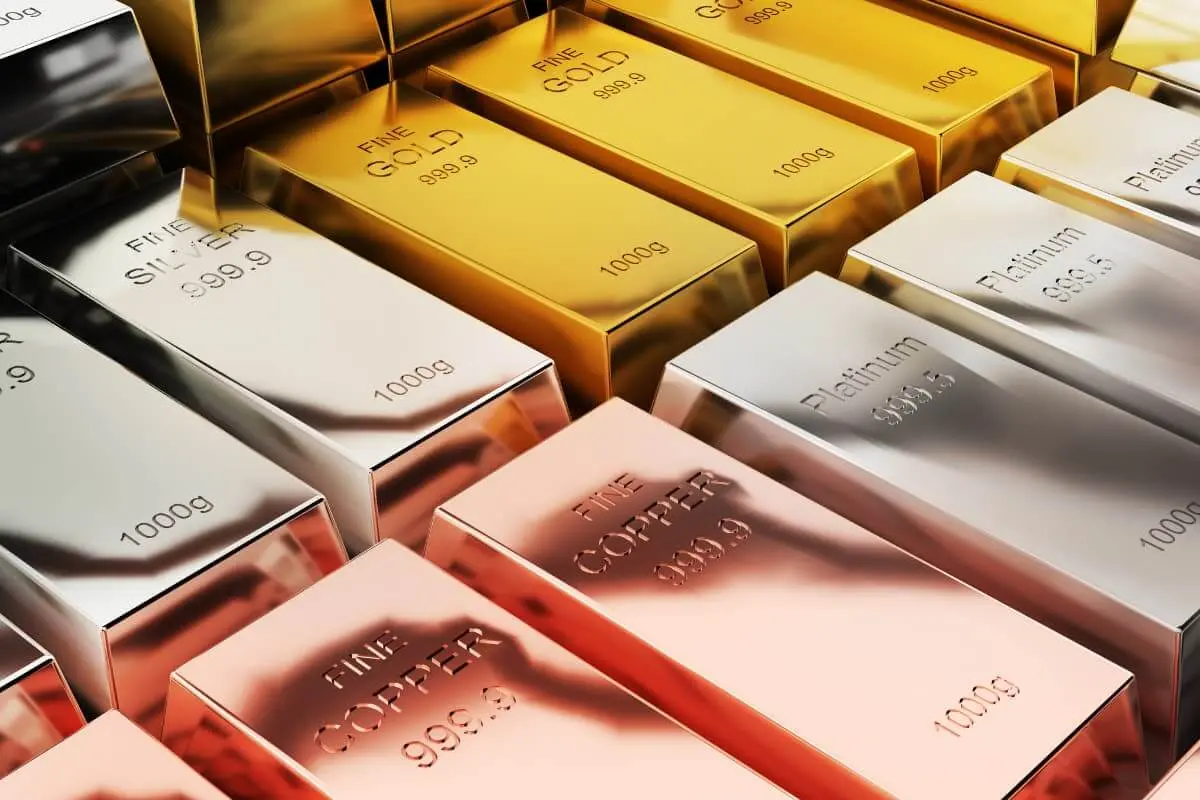
Why Copper Ingots Are the New Must-Have for Collectors
Here’s something that might surprise you. A friend of mine who’s been collecting silver for years recently showed me his latest acquisition a beautifully hand-poured 1kg copper ingot that immediately caught my attention. “It’s not about the investment returns,” he explained whilst carefully unwrapping the mirror-polished piece. “It’s about owning something substantial, something with genuine heft and character.” That conversation perfectly captures why copper ingots have quietly become the collecting world’s most intriguing category for 2026.
Copper Ingots: The Aesthetic Appeal Collectors Can’t Resist
Let’s talk about something that precious metals forums often miss the sheer physical presence of copper ingots. Unlike gold or silver, where a £1,000 investment might fit in your palm, copper commands space. A 1kg copper ingot measures roughly 10cm x 5cm x 2cm and weighs gloriously heavy in your hands. That tangible substance creates a collecting experience that smaller precious metals simply cannot replicate.
The colour alone sets copper apart from every other metal. That distinctive reddish-orange hue what metallurgists call “salmon pink” when freshly polished catches light in ways that make silver look dull by comparison. As one collector on The Silver Forum mentioned, people buy copper because they “really love the way copper looks,” and sometimes you just splurge on things you like because they bring genuine enjoyment.
What makes modern copper ingots particularly collectable is the oxidation process. Unlike tarnish on silver that collectors frantically polish away, copper’s natural patina adds character and visual interest. A 5kg copper ingot left exposed develops those gorgeous blue-green tones that architects spend fortunes replicating on building facades. Some collectors deliberately age portions of their ingots whilst keeping others mirror-bright, creating stunning visual contrasts that tell stories of time and chemical transformation.
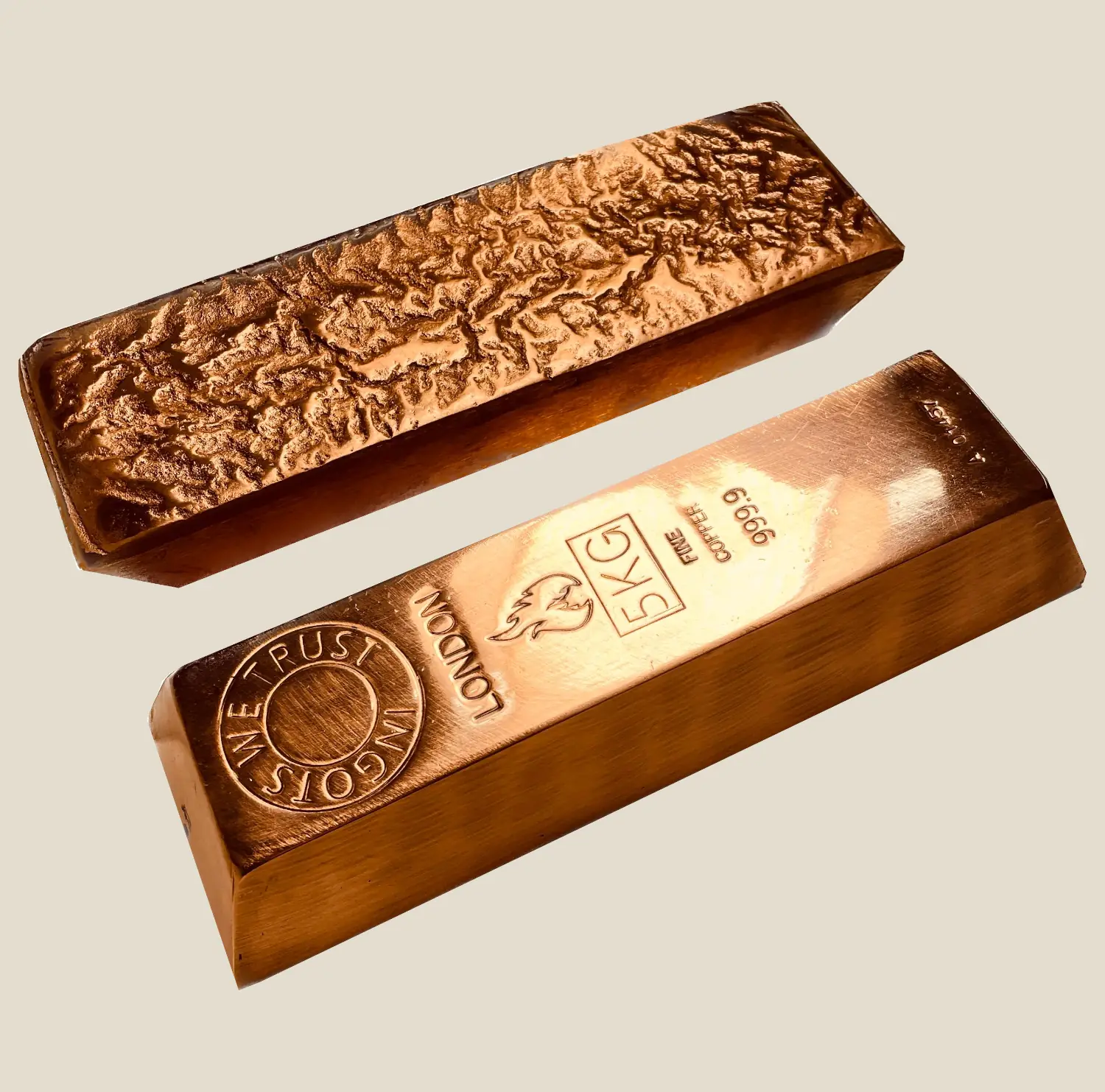
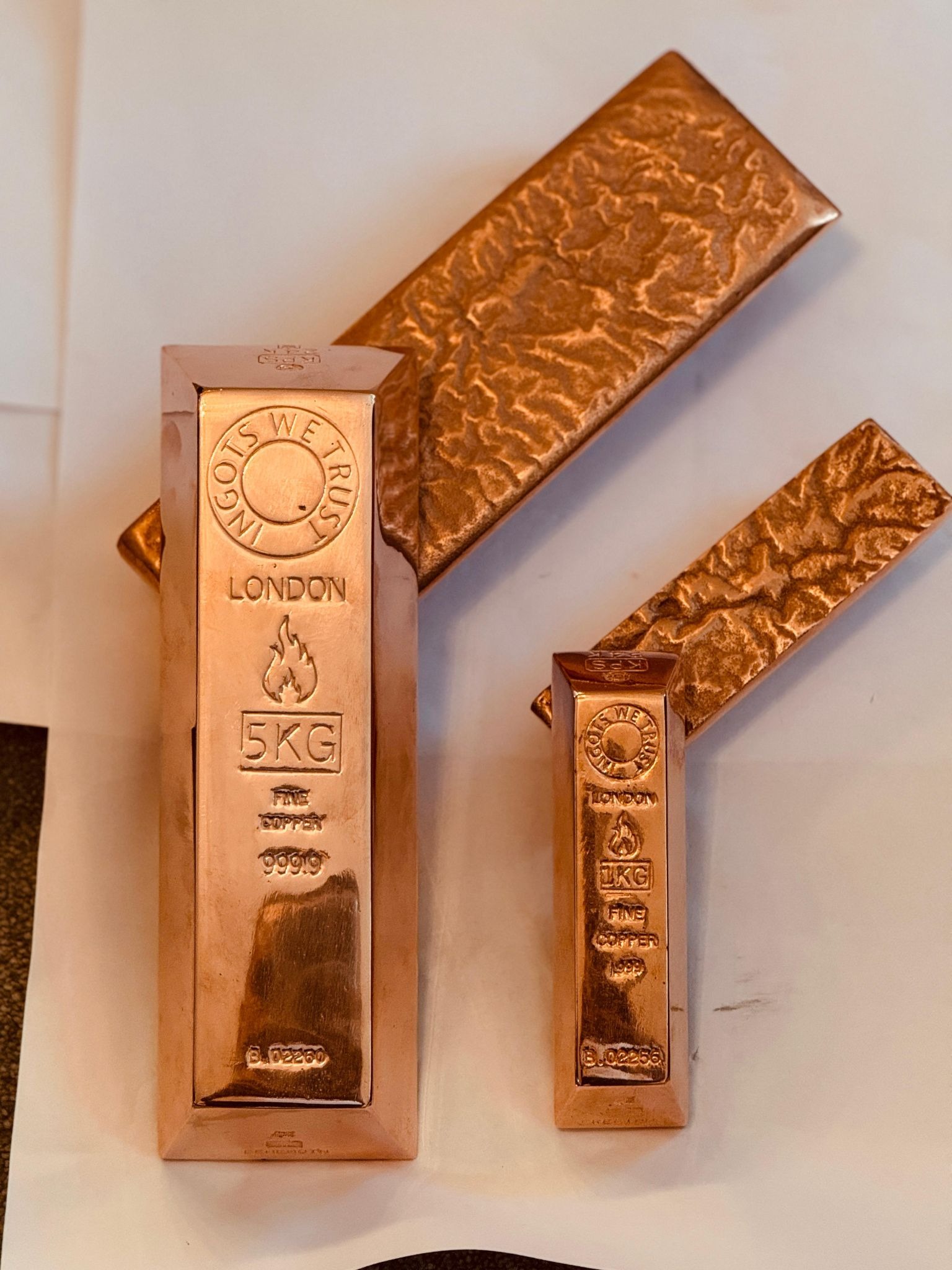
Artisan producers have recognised this aesthetic appeal and responded accordingly. Hand-poured copper ingots from recognised makers like Ingots We Trust feature unique pour marks, irregular edges, and surface textures that mass-produced bars lack entirely. These “The Precious” category pieces smaller, beautifully designed ingots that emphasise craftsmanship over pure metal weight occupy a collecting niche somewhere between bullion and sculpture.
The tactile experience matters more than many collectors initially realise. Copper’s excellent thermal conductivity means ingots quickly warm to your hand temperature, creating an intimate connection that cold silver or gold rarely provides. The weight-to-size ratio feels substantial without being overwhelming. You can actually handle and appreciate a 1kg copper ingot in ways that a 1kg gold bar (worth over £50,000) would terrify you to touch.
For those tracking copper prices whilst building collections, understanding that aesthetic premiums exist separately from spot prices becomes essential. A beautifully designed 1kg copper ingot might retail for £31 when raw copper trades at £7 per kilogram. That £24 premium covers manufacturing, polishing, certification, and artistic design elements collectors willingly pay for because the finished product transcends mere commodity status.
Investing in Copper: Why Collectors See Long-Term Value
Now, here’s where copper ingots become genuinely interesting beyond pure aesthetics. Whilst the premiums are substantial often 300-400% above melt value savvy collectors understand they’re not competing against gold or silver investment returns. They’re building tangible asset positions in what may become the defining commodity of the mid-21st century.
The structural demand story supporting copper prices is genuinely compelling. AI data centres require 50,000 tonnes of copper per facility compared to 5,000-15,000 tonnes for traditional centres. With nearly 100 gigawatts of new data centre capacity expected between 2026-2030, copper demand from this sector alone could reach 572,000 tonnes annually by 2028. Electric vehicles require 83 kilograms of copper versus 23 kilograms for petrol cars. Renewable energy infrastructure, grid modernisation, and global electrification trends all compound baseline industrial demand.
Supply constraints create the other half of this equation. Global copper mining output grew just 1.4% in 2025, down from the forecasted 2.3%. Refined copper production is expected to grow only 0.9% in 2026 compared to 3.4% this year. Major disruptions at Indonesia’s Grasberg mine and Chilean operations have removed hundreds of thousands of tonnes from global markets. Meanwhile, bringing new copper mines online takes 10-15 years from discovery to first production a generational lag that creates persistent supply deficits.
For collectors considering investing in copper through physical holdings, understanding this macro backdrop transforms the conversation from “why pay premiums?” to “how do premiums compress if copper triples?” A Reddit user recently shared making more profit on copper bullion than silver over the past decade, though they wisely noted past performance doesn’t guarantee future results. Their experience illustrates how substantial commodity appreciation can overcome even sizeable initial premiums.
The diversification angle appeals to precious metals collectors specifically. Copper’s value derives primarily from industrial demand rather than investment sentiment or jewellery use. This makes copper prices somewhat less correlated with gold and silver, particularly during economic transitions favouring infrastructure spending over safe-haven accumulation. A collection spanning gold, silver, and copper captures different economic scenarios than precious metals alone.
Storage considerations that deter some collectors actually enhance appeal for others. A £10,000 investment in copper requires storing over 1,260 kilograms more than a tonne of metal. Whilst impractical for apartment dwellers, those with garage space or workshops view this differently. The substantial physical presence creates a visceral sense of wealth accumulation that electronic assets or small precious metals holdings cannot replicate. You’re not tracking numbers on screens; you’re building a tangible stockpile.
Platforms like Ingots We Trust help collectors navigate the investment dimensions by tracking copper prices across forms refined metal, copper concentrate, copper coins, copper plates, and copper for sale in scrap markets. Understanding how retail premiums compress or expand relative to LME benchmarks informs strategic purchasing timing. When copper prices spike suddenly due to mine disruptions, retail premiums often compress as manufacturers struggle maintaining sales volumes. These windows represent relative value opportunities for collectors building positions.
Copper Prices: How Market Trends Benefit Ingot Collectors
The price of copper per kg has climbed from approximately £6.00 to £8.10 over the past year a 35% increase that’s caught mainstream investment attention. More importantly for collectors, this sustained rally has begun normalising higher copper valuations in ways that support premium product markets.
When copper traded at £4-5 per kilogram, a 1kg ingot retailing for £31 faced constant questioning about the 600%+ premium over spot prices. Now, with copper at £8.10 per kilogram, that same £31 retail price represents “just” a 280% premium still substantial but psychologically more palatable. As the copper price per pound continues strengthening (currently around £3.60-£4.50), these relative valuations compress further, making artisan copper ingots increasingly attractive.
What’s particularly interesting is how different copper forms maintain distinct pricing dynamics. Industrial copper concentrate from mining operations trades closest to LME benchmarks. Fabricated copper plates for manufacturing applications carry modest premiums reflecting processing costs. Copper coins with numismatic interest command premiums based on rarity and condition beyond metal content. Artisan copper ingots occupy their own category where design, craftsmanship, and collectibility justify the highest premiums.
Collectors who purchased quality copper ingots two years ago when spot prices sat at £5-6 per kilogram have seen underlying metal values appreciate 35-60% whilst retaining most initial premiums on resale. A £31 ingot with £5 melt value (2024) is now £31 with £8 melt value (2026) you’ve captured commodity appreciation whilst the premium percentage compressed favourably. Extend this trend another five years with copper at £12-15 per kilogram, as some analysts project, and the economics become genuinely compelling.
Market liquidity remains the challenge precious metals veterans inevitably mention. Unlike gold or silver with established dealer networks offering tight buy-sell spreads, copper ingots face narrower resale markets. Most dealers aren’t actively purchasing copper bullion, and scrap yards typically pay near melt value, erasing premiums. However, collector-to-collector markets are developing as interest grows. Online marketplaces, specialist forums, and metal collecting communities increasingly facilitate private sales where aesthetic premiums partially survive.
The key insight for collectors is viewing copper ingots as long-duration holdings rather than trading vehicles. If you’re purchasing because you genuinely appreciate the artistry, enjoy the physical presence, and believe copper’s long-term trajectory justifies current valuations, the exit strategy matters less. You’re building a collection first and an investment position second the inverse of how most approach precious metals.
For those managing copper for sale inventories professionally, whether as dealers, coppersmiths, or artisan producers, understanding these collector dynamics creates business opportunities. Premium copper ingots marketed correctly to collector communities capture margins that commodity copper sales cannot support. The manufacturing costs that seem prohibitive for bulk buyers become acceptable when positioned as artisan craftsmanship to collecting audiences.
Copper Ingots vs Copper Coins: What Collectors Actually Prefer
This brings us to perhaps the most discussed debate within copper-collecting circles: should you focus on copper coins with numismatic value or modern copper ingots emphasising purity and design? The answer depends entirely on what aspect of collecting appeals most.
Copper coins particularly pre-1992 UK pennies containing 97% copper bronze or pre-1982 US pennies with 95% copper offer the thrill of treasure hunting. Sorting through circulation searching for older dates, recognising mint marks, and identifying valuable errors all provide engagement that purchasing copper ingots simply cannot match. The numismatic premiums on rare coins can substantially exceed metal content, creating genuine investment potential beyond commodity appreciation.
However, copper coins face practical limitations for those wanting meaningful metal exposure. Even dedicated sorting produces modest quantities. A collector spending hours going through £50 worth of pennies might find just three pre-1992 specimens roughly 10 grams of actual copper content worth perhaps £0.08 at melt value. Scaling to kilogram quantities through coin collecting becomes extraordinarily time-intensive.
Modern copper ingots eliminate these constraints. Purchase a 1kg bar and you immediately own 999 grams of verified pure copper. No sorting, no verification uncertainties, no dealing with coin regulations or legal ambiguities. The purity standards typically 99.9% pure copper for quality ingots far exceed coin alloys that include zinc, tin, and other metals. For collectors prioritising copper accumulation over numismatic interest, ingots deliver efficiency that coins cannot match.
The collecting community divides further between “The Precious” and “The Behemoth” categories insider terminology describing different ingot philosophies. “The Precious” refers to smaller, artistically designed pieces where craftsmanship and aesthetic appeal justify premiums. Hand-poured 1kg bars with mirror polishes, unique pour marks, or artistic stampings fall here. These pieces attract collectors who view ingots as displayable art intersecting with tangible assets.
“The Behemoth” describes larger utility ingots focused purely on metal weight with minimal design consideration. A plain 5kg copper bar stamped with basic weight and purity information represents maximum copper content per pound spent. These appeal to collectors, emphasising commodity accumulation over artistic merit the copper equivalent of buying gold kilobars rather than proof coins.
Most serious collectors maintain mixed positions. Numismatic copper coins provide historical interest and conversation pieces. Artisan 1kg copper ingots serve as display items that guests actually notice and ask about. Larger utility bars build substantial metal positions for those bullish on long-term copper appreciation. This diversified approach captures different aspects of copper collecting rather than forcing exclusive choices.
Storage and display considerations influence these preferences significantly. Copper coins fit neatly in albums or display cases, making them apartment-friendly. Small artistic copper ingots look stunning on mantlepieces or in glass cabinets physical beauty that enhances living spaces rather than hiding in vaults. Larger copper ingots require dedicated storage but create that satisfying sense of substantial wealth accumulation.
For UK collectors specifically, sourcing matters tremendously. Domestic copper ingot producers like Ingots We Trust offer locally-made products with traceable provenance, often featuring regional design elements that enhance collectibility. Importing copper from overseas manufacturers adds shipping costs that compress already-thin margins between retail and melt values. Supporting British coppersmiths and artisan producers also strengthens domestic collecting communities through local engagement.
The bottom line? If you derive satisfaction from treasure hunting, appreciate historical monetary objects, and enjoy numismatic research, copper coins offer genuine collecting pleasure. If you prefer immediate metal accumulation, aesthetic display pieces, and exposure to industrial commodity trends, copper ingots deliver superior results. Most collectors discover that both categories complement rather than compete, creating richer, more satisfying collections that balance multiple interests simultaneously. Learn more about Copper Price per Pound in 2026: Impacts from Tech Demand and Tariffs
Frequently Asked Questions
Why would collectors buy copper ingots with such high premiums?
Collectors purchase copper ingots for reasons beyond pure investment returns the substantial physical presence (a 1kg ingot weighs gloriously heavy), distinctive reddish-orange colour, natural patina development, and artisan craftsmanship all create aesthetic appeal that transcends commodity pricing. Hand-poured pieces from recognised makers like Ingots We Trust feature unique characteristics that position them as collectable art intersecting with tangible assets. When copper prices at £8.10 per kg face long-term forecasts of £12-15 per kg, current premiums may compress favourably whilst collectors enjoy ownership throughout.
Are copper ingots better investments than copper mining stocks?
For most investors purely seeking copper price exposure, mining company shares like Glencore or Antofagasta offer superior economics leveraged returns when copper prices rise, dividend income, liquidity, and no storage requirements. However, collectors value different attributes. Physical copper ingots provide tangible ownership satisfaction, aesthetic enjoyment, and complete control without counterparty risks. The “investment” case for copper ingots works best when viewed as long-duration collectables appreciating through both commodity price increases and maintained artistic premiums, rather than trading vehicles competing with equities.
What’s the difference between “The Precious” and “The Behemoth” copper ingots?
“The Precious” refers to smaller artisan copper ingots (typically 1kg) where craftsmanship, design, and aesthetic appeal justify premiums. Hand-poured pieces with mirror polishes, unique pour marks, or artistic stampings serve as displayable art. “The Behemoth” describes larger utility ingots (5kg+) focused on maximising copper content per pound spent with minimal design consideration. Both categories appeal to collectors, but The Precious emphasises artistic merit whilst The Behemoth prioritises commodity accumulation. Most serious collectors maintain mixed positions capturing different aspects of copper collecting.
How do I sell copper ingots when I want to exit my collection?
Copper ingot liquidity remains more limited than gold or silver. Most precious metals dealers don’t actively purchase copper bullion, and scrap yards typically pay near melt value (currently £8.10 per kg), erasing premiums. However, collector-to-collector markets are developing through online marketplaces, specialist forums like The Silver Forum, and metal collecting communities where aesthetic premiums partially survive. Artisan pieces from recognised makers like Ingots We Trust maintain better resale value than generic bars. View copper ingots as long-duration holdings rather than trading vehicles purchase because you genuinely appreciate the pieces, not expecting quick profitable exits.
Should I buy copper ingots or copper coins for my collection?
The choice depends on your collecting priorities. Copper coins (pre-1992 UK pennies, pre-1982 US pennies) offer treasure-hunting excitement, historical significance, and potential numismatic premiums beyond metal content, but accumulating meaningful quantities requires substantial sorting effort. Copper ingots provide immediate verified metal exposure (1kg = 999g pure copper), superior purity standards (99.9% vs coin alloys), and aesthetic display appeal, but face higher initial premiums and limited resale liquidity. Most collectors maintain mixed positions numismatic coins for historical interest, artisan 1kg ingots for display, larger bars for substantial metal accumulation capturing different aspects of copper collecting simultaneously.


Leave a Comment