 Skip to content
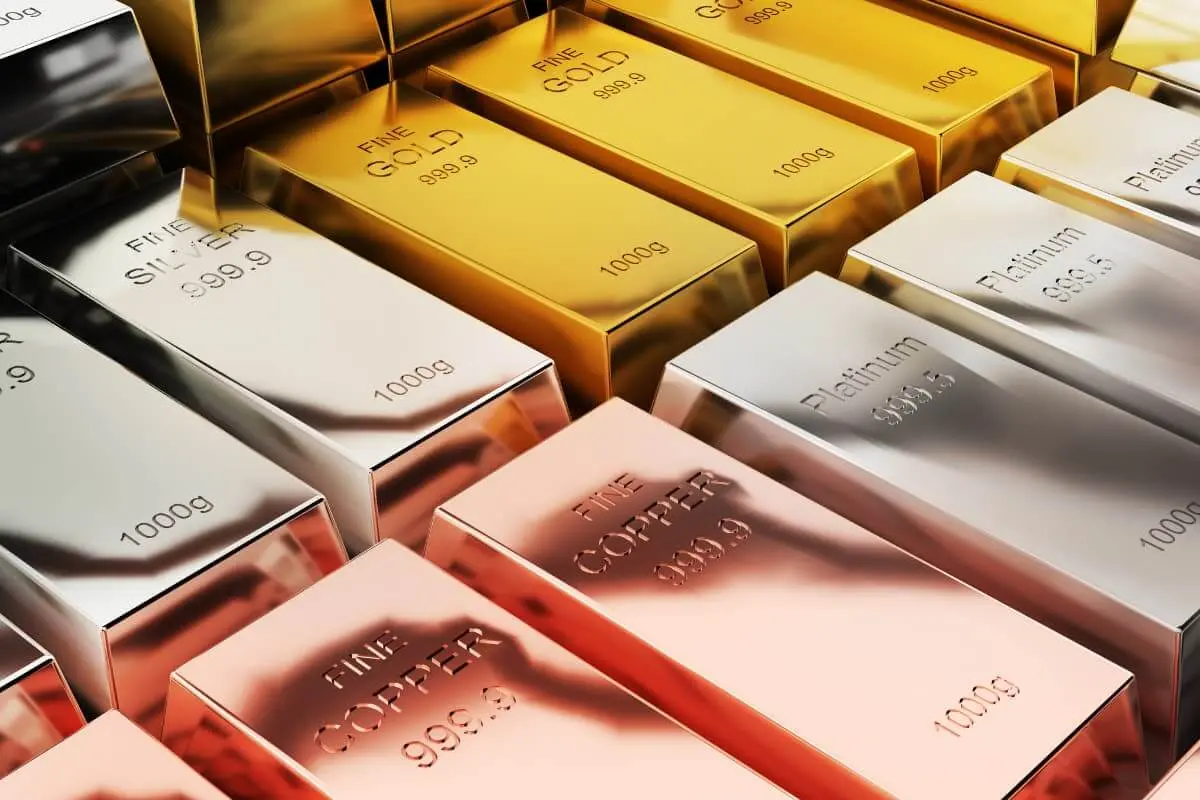
Why Copper Deserves Collectable Status: How KPS Certification Elevates Copper Plates, Coins, and Ingots
For years, copper sat in an awkward spot in the collecting world. Too common to command precious metal premiums, too industrial to attract the art crowd, and too heavy to stack like silver. But something shifted in the last few years. Serious collectors started viewing copper differently, not as a poor cousin to gold and silver, but as a metal with its own merit. The introduction of KPS certification gave this movement structure, offering a clear way to distinguish quality copper products from generic industrial material. Suddenly, copper plates, copper coins, and carefully crafted copper ingots had a language that collectors could understand and trust.
Copper Coins and the Historic Precedent for Collectable Copper
If you think treating copper as collectable is new, you haven’t spent much time with numismatists. Historic copper coins have been traded and treasured for centuries. From Roman asses to early American large cents, from British pennies to tokens issued by copper mining towns, copper has always had a place in serious collections. The difference was context and documentation.
Old copper coins were accompanied by provenance, historical significance, and clear grading standards. Modern copper products lacked that framework. You could buy a beautifully made ingot or a hand-poured copper plate, but without standardised purity marking or certification, buyers struggled to compare pieces or justify premium prices. This is where KPS enters. By providing a unified scale that works across metals, KPS lets collectors evaluate copper with the same rigour they apply to silver or gold.
On Reddit’s r/Coins and r/CRH (Coin Roll Hunting), users regularly discuss this gap. One thread debated whether modern copper rounds deserved collector attention or were just stacking exercises. The consensus leaned toward yes—but only for pieces with clear documentation, interesting designs, and verifiable purity. KPS addresses exactly that need.
Investing In Copper With KPS: How Certification Changes the Value Equation
Here’s the problem with investing in copper using generic material. You check copper prices, buy some bars, and then sit on them hoping for appreciation. But when you go to sell, you face immediate questions: What’s the actual purity? Where did this come from? Can I trust your word on the grade? Without good answers, buyers lowball you or walk away entirely.
KPS certification solves this friction. When copper ingots carry clear KPS-based purity marks, both parties understand exactly what’s being exchanged. The seller doesn’t need to convince anyone of quality—the marking speaks for itself. The buyer gains confidence and pays accordingly. This transparency benefits everyone except those trying to pass off low-grade material as premium copper products.
Users on r/Silverbugs and r/Pmsforsale talk about this constantly. In one lengthy discussion about whether copper was worth stacking, experienced members pointed out that documented, certified pieces hold value better than anonymous bars. KPS provides that documentation in a format that’s increasingly recognised across the broader precious metals community.
Copper Products: Why KPS Matters for Plates, Ingots, and Custom Work
Not all copper products need certification. If you’re buying copper concentrate for industrial use or raw material for a coppersmith to work into finished copper plates, grade matters, but certification may be overkill. But if you’re creating or collecting finished pieces meant to be held long-term, KPS makes sense.
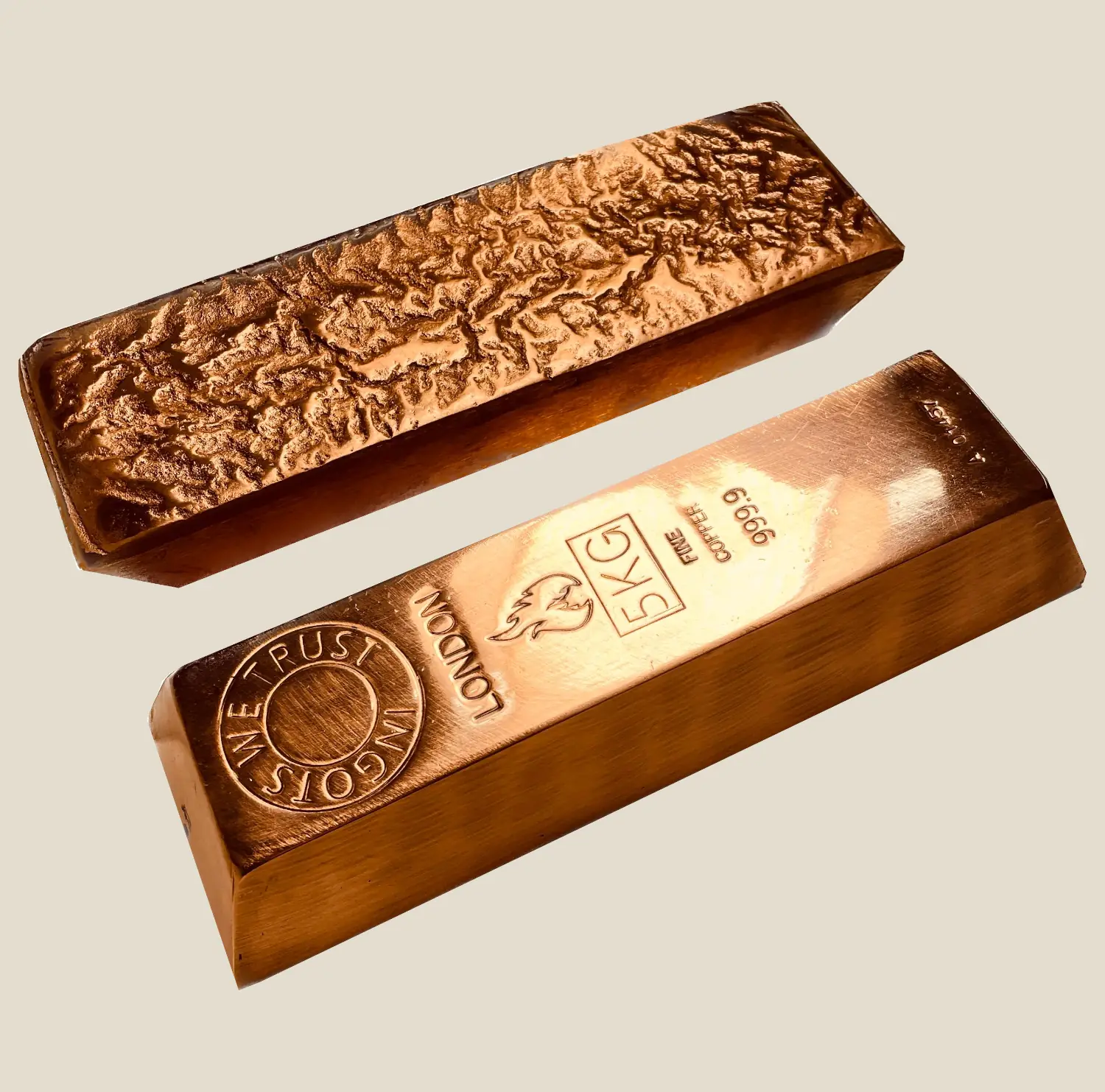
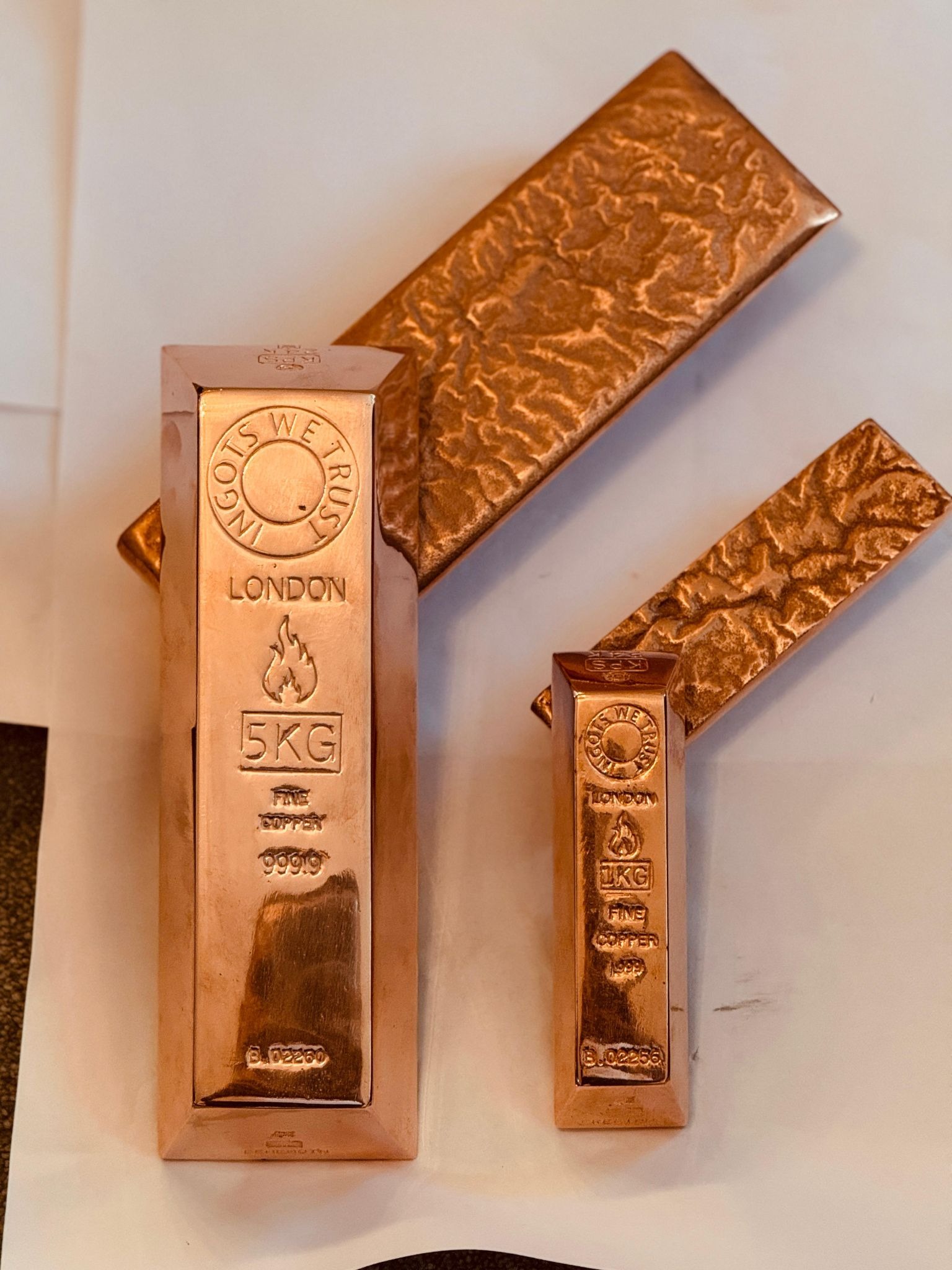
Consider hand-poured copper ingots from artisan makers. These pieces already command premiums for craftsmanship and design. Adding KPS certification strengthens the value proposition by removing any question about purity. A buyer knows they’re getting both aesthetic value and verified metal quality. The same logic applies to copper plates designed as collectable art pieces or limited-edition copper coins struck by private mints.
The certification doesn’t replace craftsmanship—it complements it. On metalworking forums like r/Metalworking, craftspeople discuss how clear grading helps them market their work. When a coppersmith can point to KPS documentation alongside photos of their process, they’re building trust with customers who might otherwise hesitate to pay craft premiums.
Copper Prices and Premium Justification: How KPS Helps Collectors Navigate Value
One persistent challenge in collecting copper is justifying premiums over spot. Someone new checks the copper price per pound, sees it’s relatively low, then encounters a beautiful ingot priced at three or four times melt value. Without context, that gap feels exploitative. With proper context—understanding the maker, the certification, the limited production—it makes sense.
KPS certification provides part of that context. When a piece carries verified high purity, collectors know they’re not buying mystery metal. They can compare it to other KPS-certified pieces and judge whether the premium is fair. This transparency ultimately benefits serious makers while making it harder for low-quality producers to hide behind vague claims.
Reddit discussions on r/Gold and broader precious metals subreddits often feature newcomers asking if copper is “worth” collecting. Experienced stackers usually say yes, but with caveats: buy quality, demand documentation, and focus on pieces that offer more than just metal weight. KPS certification directly addresses those caveats by making quality and documentation standards mandatory rather than optional.
FAQ: KPS Certification and Collectable Copper
Q: Does KPS certification significantly increase copper prices for certified pieces?
It can add to premiums, but the increase reflects real value. Certification costs money and ensures verified purity. For serious collectors investing in copper, this added cost is worthwhile because certified pieces are easier to authenticate and resell at fair prices.
Q: Can older copper coins or historic copper plates get KPS certification?
KPS works best for new production, where purity can be tested and verified before marking. Historic copper coins already have established numismatic grading systems. KPS is more relevant for modern copper ingots, art pieces, and bullion-style copper products where clear purity documentation adds market value.
Q: Why would I pay more for certified copper ingots when the copper price per kg is so low?
You’re not just buying commodity copper. Certified copper products offer verified purity, aesthetic value, craftsmanship, and easier resale. The premium over spot reflects these added benefits. Compare it to paying more for certified diamonds versus uncertified stones—documentation protects your investment.
Q: How does KPS certification help when investing in copper long-term?
Certification reduces friction when you eventually sell. Buyers trust documented purity, which means faster sales at better prices. Over time, this liquidity advantage can offset the initial certification premium, especially if copper prices rise and demand for verified material increases.
Q: Are certified copper products more collectable than generic bars?
Generally yes. Collectors prefer documented pieces with clear provenance and purity verification. Generic bars serve a purpose for pure commodity exposure, but certified copper ingots, copper plates, and copper coins attract serious collectors willing to pay premiums for quality and transparency.



Leave a Comment