 Skip to content

The Copper Price Per Kg Revolution: Why Artisan Ingots Command Premium Value Over Industrial Bars
When you scroll through investing forums or browse metal dealer websites, you’ll notice something odd. Two copper bars with nearly identical purity can carry wildly different price tags. One might closely track the spot copper price per pound, while another commands a premium that makes newcomers wonder whether they’re missing something. They’re not wrong to question it. The gap between commodity pricing and artisanal value is real, and understanding why helps anyone seriously considering investing in copper.
Why Copper Price Per Kg Doesn’t Tell The Whole Story
The London Metal Exchange publishes copper prices that reflect industrial-grade material moving in bulk. That number matters enormously for copper mining operations, manufacturers buying copper concentrate, and anyone trading futures. But walk into a specialised dealer or browse curated collections, and you’ll see finished pieces priced well above that baseline.
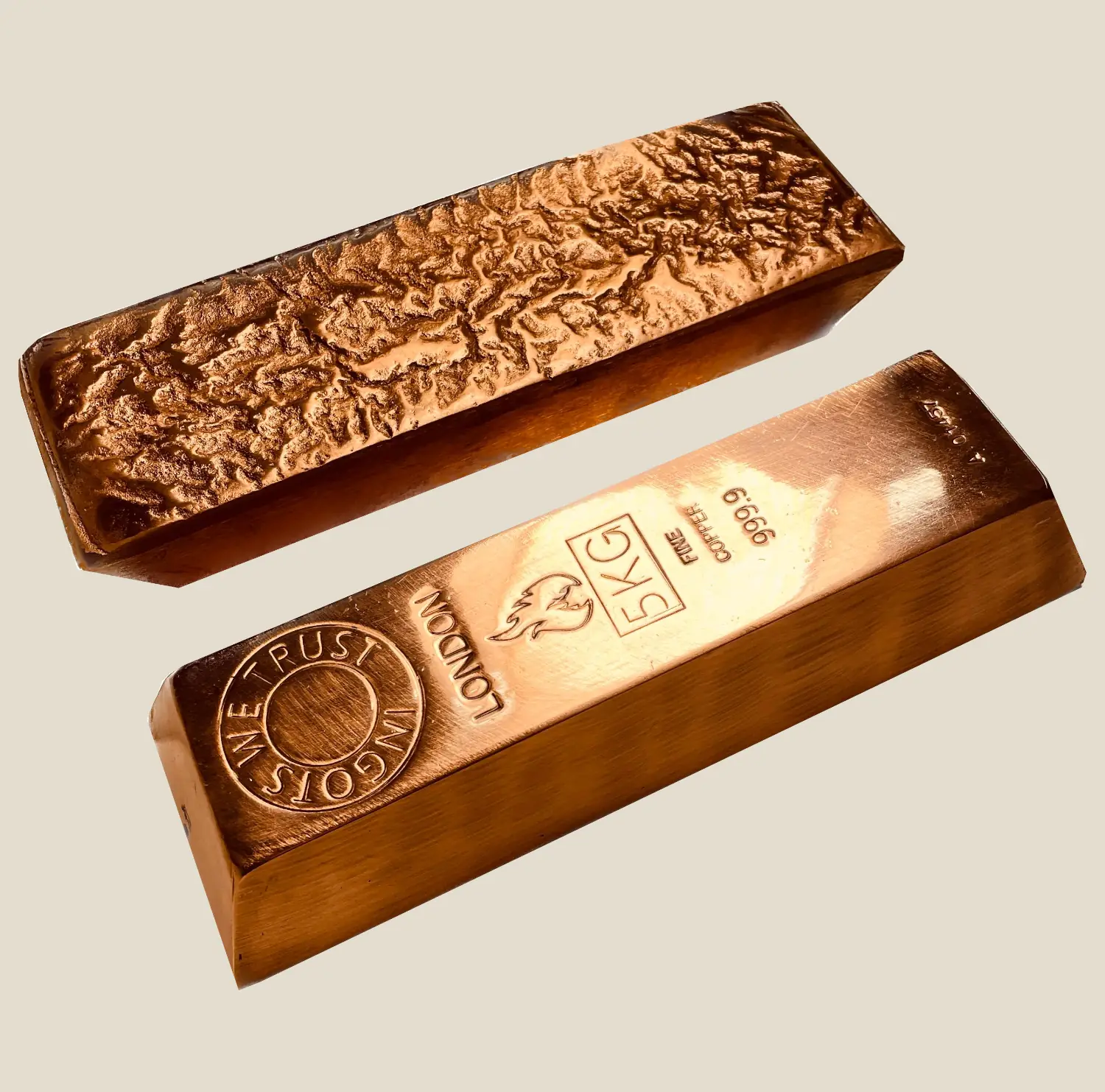
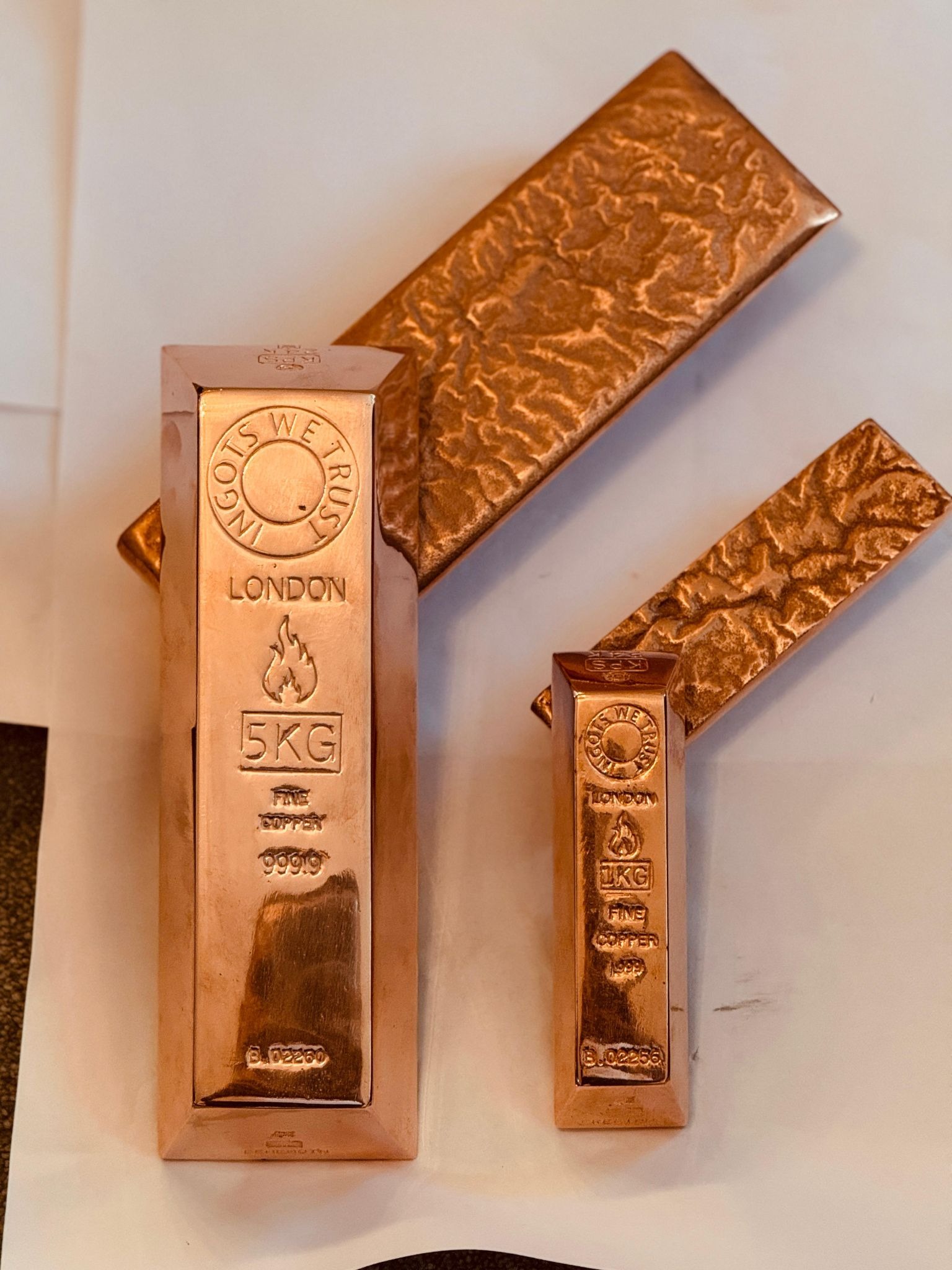
The difference isn’t arbitrary. Industrial bars exist to move metal efficiently. They’re functional, often rough-finished, and designed for melting down or immediate use in manufacturing. Artisan copper ingots, on the other hand, are made for holding. They carry detailed purity stamps, often reference historic copper companies or regions, and are finished to a standard that makes them pleasant to handle and display. That extra effort costs money, and collectors are willing to pay for it.
On Reddit’s r/Silverbugs and r/Pmsforsale, users regularly discuss this premium question. One thread compared generic copper bars to small-batch pours from known makers. The consensus was clear: people will pay more when they trust the source, enjoy the design, and believe the piece will hold its value better than anonymous industrial stock.
Investing In Copper: When Premium Products Make Sense
If you’re buying copper purely as a commodity play, chasing the lowest copper price per pound makes sense. You want maximum weight for minimum cash, and you’re betting on future price movement. But many people interested in investing in copper have different goals. They want something tangible, traceable, and potentially collectable.
This is where artisan ingots carved a niche. A well-made piece from a respected maker doesn’t just track copper prices; it also reflects the maker’s craftsmanship. It also carries brand value, aesthetic appeal, and a story. Some reference historic copper mining regions like Cornwall or Michigan’s Keweenaw Peninsula. Others celebrate craft traditions tied to the coppersmith workshops that once supplied everything from copper plates for ship hulls to decorative household items.
In r/Gold and r/Copper communities, experienced stackers often advise beginners to buy a mix. Hold some low-premium industrial bars if you want pure metal exposure. But also consider a few premium pieces that you actually enjoy owning. The logic is simple: if copper prices rise, both gain. If they stagnate, you’re more likely to keep the pieces you find interesting rather than panic-selling at a loss.
Copper Products: How Craft Standards Justify Higher Pricing
Not all copper products are created equal, and the market knows it. A generic bar stamped with minimal information might come from a recycled scrap of uncertain origin. An artisan ingot often comes with a clear purity mark, a batch number, and, sometimes, even assay documentation. That transparency costs more to provide, but it also reduces buyer risk.
Makers who produce premium copper ingots typically work with refined copper from known sources rather than mixed scrap. They invest in proper moulds, hand-finishing, and quality control. The result is a product that appeals to collectors who also follow copper coins, silver rounds, and other stackable metals. These buyers want consistency and trust, and they’re willing to pay a premium to get it.
You can see this dynamic play out in online marketplaces. A seller offering generic bars at near-spot pricing might move volume quickly. But makers offering small-batch artisan pours often sell out despite charging 20-30% over the current copper price per kg. Their customers aren’t irrational. They’re buying a different product for a different purpose.
Copper Prices and The Role of Transparency in Premium Markets
One complaint that surfaces repeatedly in metal stacking communities is opacity. A buyer sees a beautiful copper ingot, checks the current copper price per pound, and can’t figure out why the asking price is double or triple that baseline. Sellers who don’t explain their premium structure frustrate potential customers and create suspicion.
The best makers in this space are upfront. They break down costs: refined copper source, mould design, hand-finishing labour, packaging, and the small-batch production model that prevents economies of scale. When customers understand what they’re paying for, resistance drops. This mirrors the transparency that serious copper companies provide when selling copper concentrate contracts. Both industrial buyers and retail collectors want to know exactly what they’re getting.
In r/Investing and related forums, users often compare this to craft beer or speciality coffee. You can buy a generic version cheaply, or you can pay more for something made with care, using better ingredients, by people who care about the final product. Copper is no different.
FAQ: Understanding Premium Copper Pricing
Q: How much should I expect to pay above spot copper prices for artisan ingots?
Premiums typically range from 20% to 50%, depending on the maker, design complexity, and batch size. Limited-edition pieces or those tied to historic copper-mining regions can command even higher premiums if demand is strong.
Q: Are artisan copper ingots a good choice for investing in copper?
It depends on your goals. If you want pure commodity exposure, stick with low-premium industrial bars. If you value aesthetics, traceability, and potential collector interest, artisan pieces make sense as part of a diversified metal holding strategy.
Q: Why do some copper products have detailed purity marks while others don’t?
Makers targeting collectors and serious stackers invest in assay documentation and clear stamping because their customers demand it. Generic industrial bars often skip this step since their buyers plan to melt and refine the material anyway.
Q: How do I verify I’m paying a fair copper price per kg for premium ingots?
Check current spot prices, then research typical premiums for the maker and design you’re considering. Compare prices across multiple dealers and look for community feedback in forums like r/Pmsforsale to see what similar pieces have sold for recently.
Q: Do artisan copper ingots hold their premium value over time?
Some do, especially pieces from respected makers or limited runs. But there’s no guarantee. Treat them as a hybrid between commodity copper and collectable art. The base metal value provides a floor, but the premium can shrink if demand for that specific maker or design fades.



Leave a Comment