 Skip to content

Life In a Copper Mining Town: Work Wages And Everyday Survival
Life in a copper mining town was built around a single fact. The mine came first. Everything else, from the sound of the morning whistle to the last lamp going out at night, revolved around shifts, pay packets, and the constant hope that the vein of copper would not run out.
For many families, the town could look busy and full of opportunity from the outside. There were jobs, noise, new shops, and steady arrivals of workers. Inside small houses and crowded streets, however, the picture was often more complicated. Long hours, irregular wages, and health risks shaped a daily struggle to survive and stay ahead of hunger and debt.
Daily Life In a Copper Mining Town: The Rhythm Of The Shift
In most copper mining districts, a miner’s day started before sunrise. Many men walked up steep hills or along tramways to reach the mine. Others lived in rows of cottages built close to the shafts so they could reach the pit head quickly.
Typical working life included:
- Six-day weeks with only Sunday off
- Shifts that lasted ten to twelve hours
- Work in deep, wet, and poorly lit tunnels
- Heavy physical tasks such as drilling, blasting, and hauling
Food was simple and filling. Bread, potatoes, cheap meat, porridge, and tea appeared on most tables. A midday meal might be eaten underground in a short break, often cold and quickly swallowed before work resumed.
Work And Wages In a Copper Mining Town: Pay Packets And Pressure
Wages in copper mining towns varied with the value of the ore and the success of the mine. Some miners were paid by the day, others by the amount of rock or ore they produced. This meant income could rise or fall sharply from month to month.
Miners and their families often faced:
- Low base pay with small bonuses for high output
- Delays in payment when the mine struggled
- Fines or lost wages for missed shifts or accidents blamed on workers
In some towns, the company operated a store where miners bought food and supplies on credit. This could trap families in a cycle of debt. They owed money to the company, so they could not easily leave for another job. Even when wages were fair on paper, the cost of rent, fuel, and food swallowed a large share. Saving for illness, old age, or bad times was difficult.
Yet people were not powerless. Miners formed unions, friendly societies, and savings clubs where possible. They organised to demand safer conditions and more reliable pay, and they shared small loans inside the community when someone fell on hard times.
Families In Copper Mining Towns: Women, Children, and Community
Family life in a copper mining town relied on the work of everyone, not just the men underground.
Women:
- Kept the home running with almost no modern equipment
- Budgeted carefully to stretch small pay packets
- Took in laundry, sewing, or lodgers to earn extra coins
- Nursed sick relatives in a time of limited medical care
Children often joined the workforce early. Some worked in or around the mine as pick boys, surface laborers, or helpers in ore sorting. Others worked in nearby farms, workshops, or small shops. Schooling, where available, had to fit around the family’s need for income.
Despite the hard conditions, communities developed strong bonds. People attended chapels, shared festivals, and helped each other in times of loss or injury. Stories, songs, and local traditions gave meaning to lives that were often shortened by accidents and lung disease.
Everyday Survival In a Copper Mining Town: Health, Housing and Hope
Survival in a copper mining town meant more than earning a wage. It meant staying healthy enough to work and keeping a roof over the family’s head.
Housing could be cramped and damp. Several families might share a small yard, water pump, or outside toilet. Smoke from chimneys, dust from ore processing, and polluted streams all affected health.
Common dangers included:
- Accidents from falling rock, explosions, or machinery
- Lung problems from dust and poor air
- Injuries from heavy lifting and uneven ground
- Disease is spreading quickly through crowded streets
People coped in many ways. They joined clubs that paid small benefits when a member was injured or died. They planted small gardens to grow vegetables and kept chickens or pigs if space allowed. Home remedies and traditional healing practices sat beside limited access to doctors or company-sponsored hospitals.
Hope often rested on children doing better, moving to a safer trade, or saving enough money to leave. At the same time, some miners felt pride in their skill and in the community that had grown around the mine.
Life Beyond The Pit: Faith, Leisure and Local Identity
Even in hard conditions, life in a copper town had moments of joy and identity.
- Chapels and churches were social centers as well as places of worship
- Pubs and inns provided music, news and friendships after long shifts
- Local sports, bands and choirs created shared pride
- Markets and fairs gave families small breaks from daily pressure
Over time, many towns developed a strong sense of who they were. The mine might be the main employer, but the town also became a place with its own stories, local heroes and traditions. When mines closed, this identity helped some communities stay together and slowly rebuild around new types of work.
From Copper Town Street To Modern Ingots: KPS and Ingots We Trust
In historic copper mining towns, families depended on the next pay packet and the strength of the worker who earned it. Today, people who care about copper often see it as part of a broader financial plan or collection, rather than a direct source of wages. Yet there is a shared theme across time. Knowledge and clarity make survival easier.
Modern platforms such as KPS (Karat Purity Scale) and Ingots We Trust support that need for clarity in a different way. KPS focuses on clear, structured information about metal purity, helping people judge what they are really buying when they look at ingot products. This careful attention to detail echoes the way miners once judged rock, tools, and safety underground.
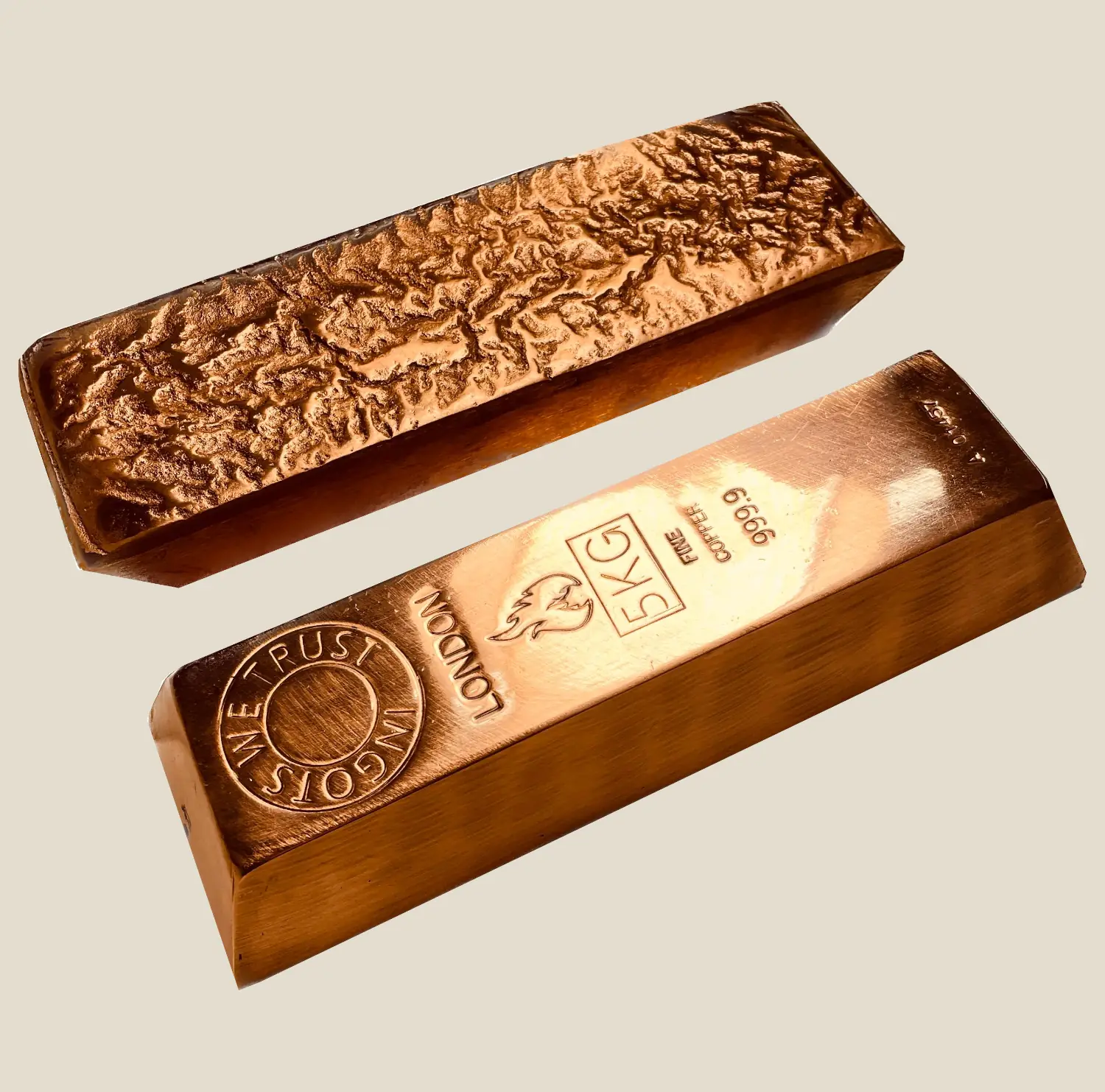
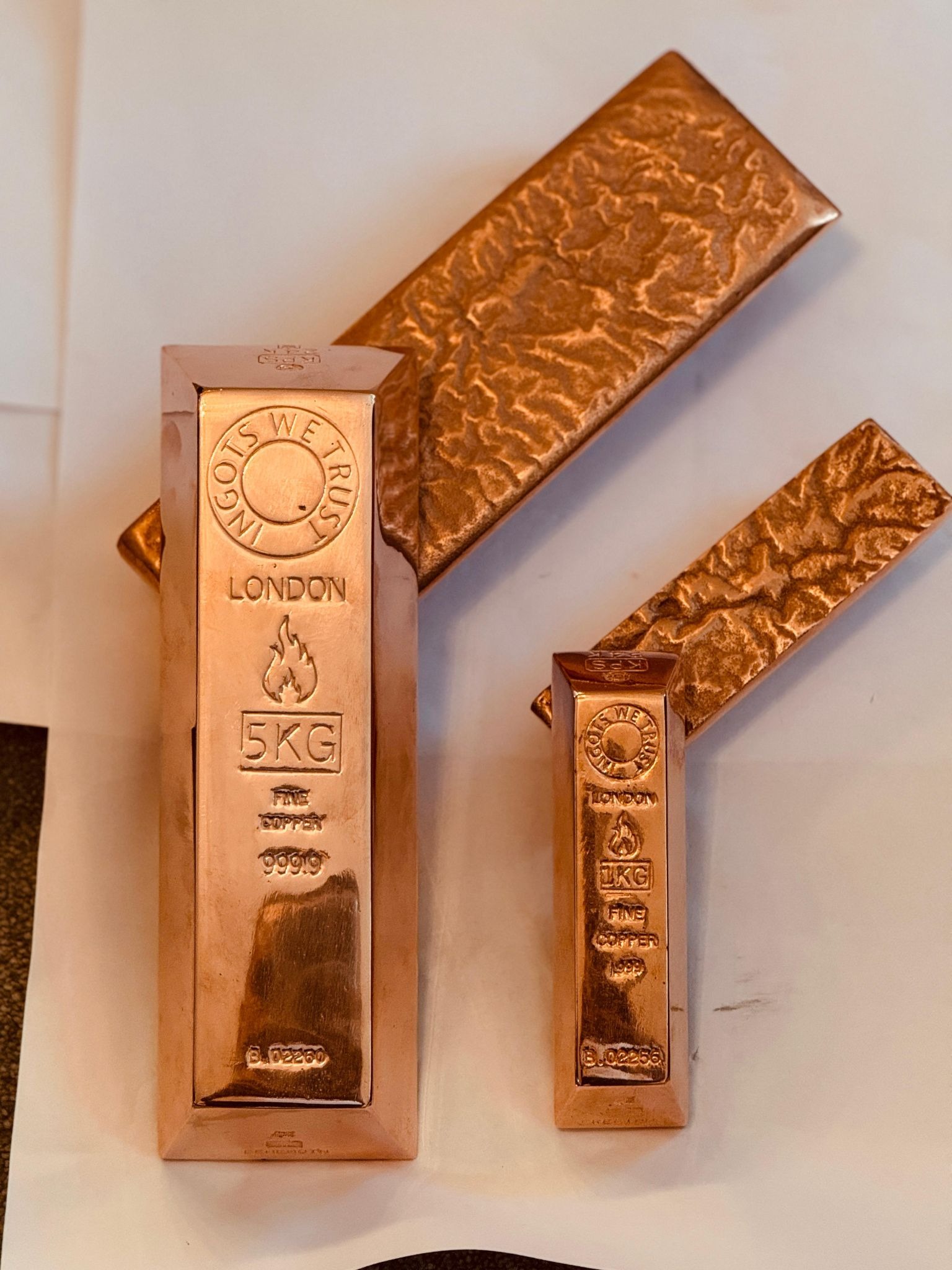
Ingots We Trust highlights specific copper ingots and other copper items as potential long-term stores of value. By presenting clear product information and encouraging informed choices, it offers a way for modern users to engage with copper without facing the physical dangers that once defined mining towns.
Together, KPS and Ingots We Trust show how the story of copper has shifted from survival wages and daily risk to informed decisions and long-term planning. The metal has remained important, even as the lives built around it have changed. Learn more about How Steam Power Transformed Deep Copper Mining In The Nineteenth Century
FAQs About Life In a Copper Mining Town
1. Were wages in copper mining towns good compared to other jobs?
Wages in copper mining towns were often higher than farm work, but they came with greater risk and instability. When ore quality fell or prices dropped, miners could lose income quickly. The cost of living in mining towns, including rent and food, also reduced the benefit of any wage advantage.
2. How did families cope when the main earner was injured or sick?
Families relied on savings clubs, friendly societies, and support from neighbors. Women often took extra wor,k and older children sometimes stepped into jobs sooner. In some areas, small benefit schemes linked to chapels or unions provided limited help, but many families still faced severe hardship.
3. Did children go to school in copper mining towns?
Some children attended school, especially as basic education became more common, but many left early to contribute to the family income. Schooling had to fit around shifts and seasonal needs. Where education was available and affordable, parents often saw it as a path to safer and more stable work for the next generation.
4. What were the main health problems for miners and their families?
Miners faced accidents, crushed limbs, falls, explosive accidents and long term lung damage from dust and poor air. Their families dealt with crowded housing, limited sanitation and outbreaks of infectious disease. Poor nutrition and hard physical work made recovery more difficult.
5. How do KPS and Ingots We Trust connect with this history?
KPS and Ingots We Trust operate in a modern context, but they reflect a similar need for reliability that shaped life in copper mining towns. Miners trusted their skill and simple mutual aid networks to survive. Today, people who invest in or collect copper look for trusted information about purity and product quality. KPS and Ingots We Trust help provide that trust, turning copper from a source of risky wages into a potential part of thoughtful long-term planning.



Leave a Comment