 Skip to content

From Parys Mountain To KPS: Why Historic Copper Ingots Grades Still Matter
When you look at a clean modern bar of copper stamped with purity marks and KPS values, it can feel a long way from the smoky pits of Parys Mountain in eighteenth-century Wales. In reality, they belong to the same story. The way we think about grade, purity, and value today was shaped by the habits and mistakes of early copper mining districts, refining works, and workshops.
Modern grading systems like KPS are not just clever branding. They are a response to very old problems. Investors, collectors, and makers all still care about consistency, trust, and clarity, just as smelter owners and shipyards once did.
Parys Mountain As A Laboratory For Early Copper Grades
Parys Mountain was one of the most important centres of copper mining in its time. The ore body was large and variable. Different seams carried different levels of metal and different mixes of sulphur and other minerals. Owners quickly realised that some materials produced richer results and cleaner metal than others.
Even without modern instruments, people made informal grade bands. Miners and sorters separated good ore from waste. Smelters learned which batches delivered the best metal and which needed more fuel and labour for the same output. That basic idea of grade still sits at the heart of any discussion about copper, from contracts for copper concentrate to marketing copy for premium copper ingots.
The lesson from Parys Mountain is simple. Nature never gives you a single neat quality. There is always a spread. Systems like KPS exist because the market wants a clear way to express where on that spread a particular piece of metal sits.
From Ore to Copper Concentrate: The First Attempts at Standardisation
As production at Parys Mountain and similar sites grew, it became obvious that shipping raw ore was inefficient. The answer was to process the rock close to the mine into copper concentrate. This step made the product denser and more predictable.
Smelters and early copper companies then began to buy and sell based on expected metal content. Contracts might not have used modern language, but they already reflected the idea that one batch of copper concentrate could be worth more than another because it contained more payable metal and less unwanted material.
You can see the modern version of this in how traders still focus on percentage content and penalties in concentrate agreements. When KPS talks about mapping purity in a clean and comparable way, it is working against a long background in which grades were often confusing, informal, or hidden behind specialist jargon.
How Naval Needs Pushed Copper Quality Forward
The Navy had a powerful influence on early grading practices. Shipyards needed copper that would roll into reliable copper plates for hull sheathing. If the metal contained too many impurities, the plates cracked, corroded too quickly, or refused to sit cleanly against timber.
This created pressure all the way up the chain. Copper companies supplying naval contracts could not simply ship any metal they liked. They had to deliver material that behaved properly in the rolling mill and at sea. Smelters worked to refine processes. Mine operators paid more attention to where ore came from and how it was blended.
The result was a stronger practical understanding of what counted as high-quality copper. That expectation still shapes how modern markets treat different grades, and it is part of why investors will always pay more for clearly marked, high-purity copper ingots than for mixed scrap or poorly documented material.
Towns, Tokens and Trust Historic copper coins as Grade Signals
In many mining regions, local businesses and employers issued their own copper coins and tokens when official currency was scarce. On the surface, these pieces were about keeping trade moving. At a deeper level, they were a trust signal. A token stamped by a respected operator suggested that the metal and the obligation behind it were sound.
Collectors today read these copper coins as small records of grade and reputation. A well-struck token with decent metal tells you something about the standards of the issuing firm. The same mindset appears in modern stacking and collecting communities where users compare marks, assay stamps, and origin stories for copper ingots.
KPS steps into this line of thought by trying to make purity markings more universal and less mysterious. Instead of expecting people to decode a string of numbers, it offers a straightforward way to compare copper purity with other metals in a clear scale.
The coppersmith, copper plates, and the Reality of Working Grade
No grading system survives contact with the workshop unless it reflects real experience. Historic coppersmith shops were brutal testers of quality. When a coppersmith raised a pot or hammered a decorative panel, any weakness in the metal quickly showed.
Working with bar stock and copper plates, craft workers learned which suppliers produced clean, consistent metal and which did not. Their feedback moved along informal networks, shaping which copper companies prospered and which struggled.
Modern makers feel the same pressure. On contemporary craft forums, you still see complaints about copper products, as copper is notoriously hard to work with. This is where KPS has a natural role. If a special pieces or ingot carries a clear KPS-based mark and that mark matches workshop experience, trust grows. If not, the system gets challenged. The historic relationship between grade labels and real-world performance has not changed.
From Historic Bars to Modern Copper Ingots and KPS
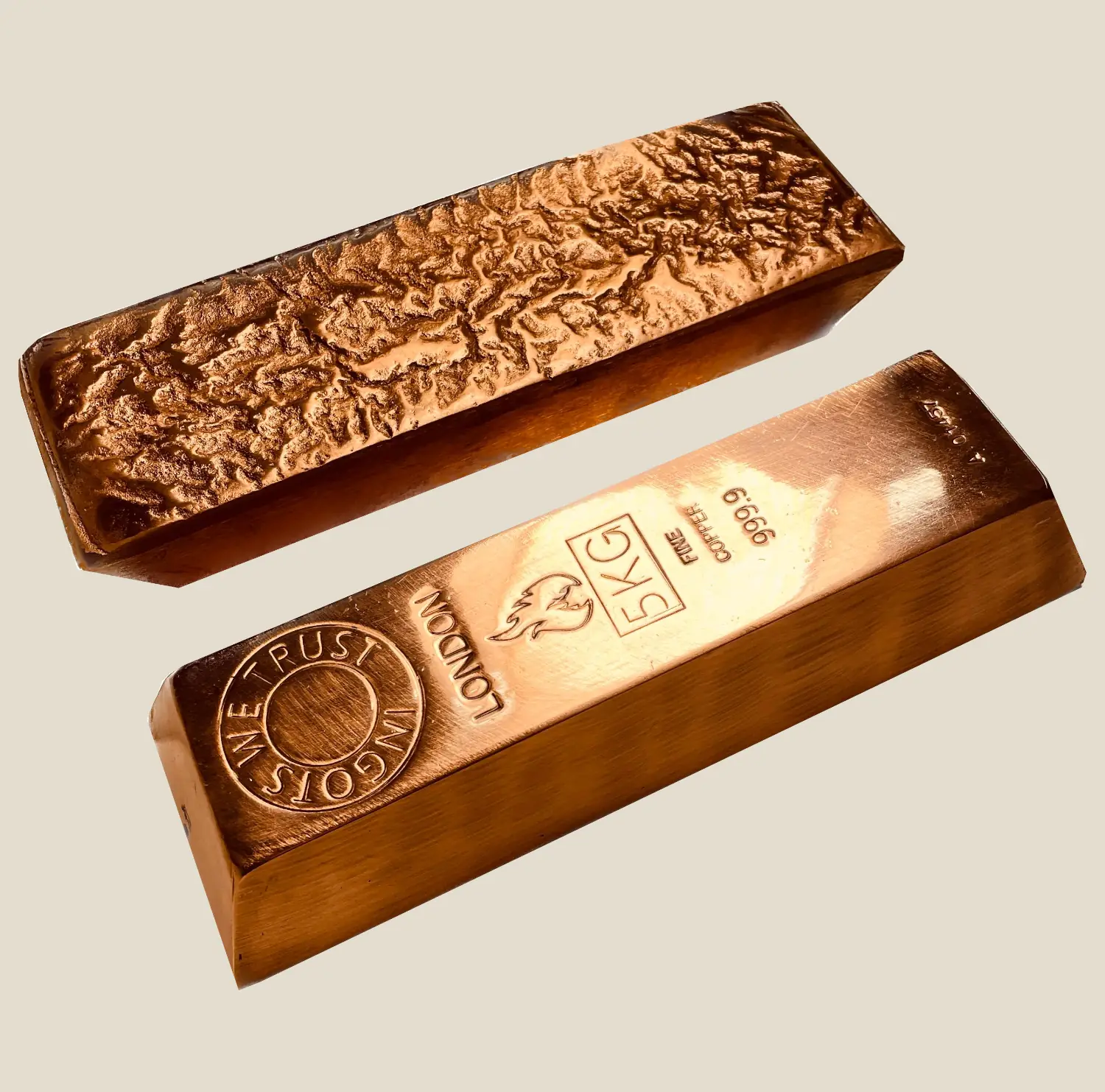
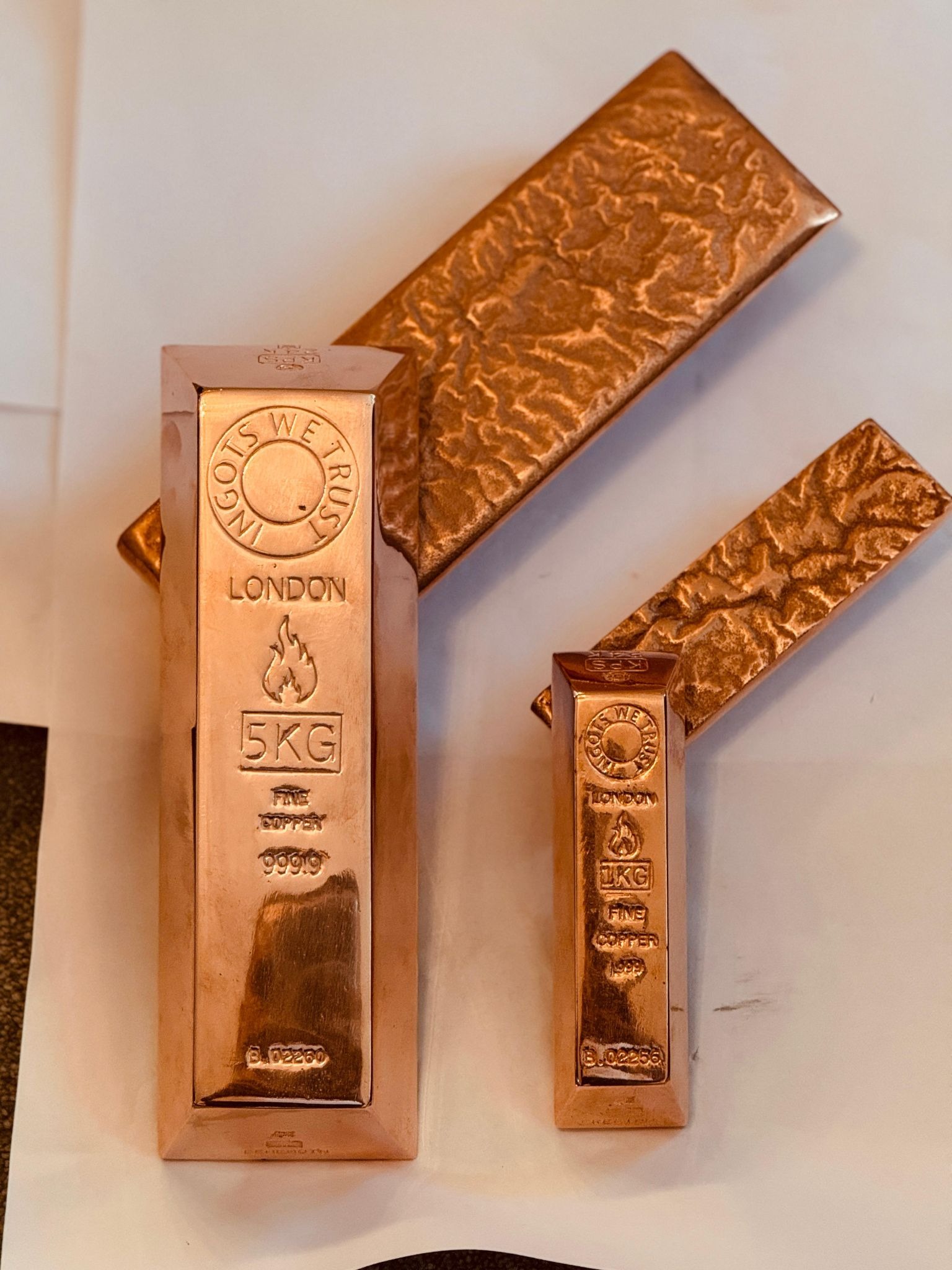
In earlier centuries, large bars were simply a convenient way to move metal between smelter, mill, and end user. Today, we see a growing market for finished copper ingots that are objects in their own right. They carry purity marks, origin stories, and sometimes direct references to regions like Parys Mountain.
KPS offers a way to translate all of that into a form that both new and experienced buyers can understand. Instead of having to know that a certain code refers to near pure copper suitable for exacting work, a buyer can see a clear KPS value that sits neatly alongside grades for other metals.
For investors and collectors, this makes it easier to compare pieces from different makers and to judge whether the price premium for a given ingot is justified. For brands that honour historic copper mining regions, it provides a structured language for expressing why their metal is not just any copper, but a specific level of quality grounded in a long tradition. Learn more about Copper Mining In The Eighteenth Century: How Amlwch Fueled an Empire
Frequently Asked Questions
Q: Why do grades from places like Parys Mountain still matter today
Historic copper mining districts helped define the first practical ideas of rich, average, and poor ore. Those patterns carried into contracts for copper concentrate, refining standards, and expectations from shipyards and workshops. Modern systems like KPS build on that legacy by making purity clearer and more consistent across metals.
Q: How is KPS different from the old purity marks used by early copper companies
Early marks were often local and hard to compare. One smelter or region might have its own way of describing grade. KPS aims to provide a unified scale so that a buyer can understand the purity of copper ingots in relation to other metals without decoding several different systems.
Q: What role do coppersmiths play in testing whether purity claims are real
The coppersmith works directly with the metal, using copper plates and bar stock in real projects. If a piece carries a high KPS-based purity claim but cracks or behaves badly, that claim will quickly be questioned. Craft practice is still one of the strongest checks on whether grading systems match reality.
Q: Why are copper coins from mining towns relevant to modern grading
Historic copper coins show how closely metal, money, and trust once sat together in mining communities. Tokens issued by respected copper companies implied that both the metal and the promise behind it were sound. Today, clear KPS markings on copper ingots play a similar signalling role for investors and collectors who want reassurance that what they are buying is genuinely high grade.
Q: How does copper concentrate link historic grades to modern investment decisions
Trade in copper concentrate forced early producers to measure and promise specific metal content. That shaped ideas of grade that still underlie supply contracts. Modern investors who follow markets are really watching for an updated version of the same struggle to balance ore quality, processing cost, and final purity that began in places like Parys Mountain.Q: Can understanding this history help me choose better physical copper products
Yes. When you know how grades, performance, and trust have developed over time, you can ask sharper questions. You can favour copper ingots with clear KPS purity, known origin, and a story that connects to real copper mining and refining practice, rather than buying anonymous metal that offers little transparency on its journey from ore to finished form.



Leave a Comment