

Copper Price per Pound in 2026: Impacts from Tech Demand and Tariffs
Something remarkable happened to copper markets in 2025 that’s carrying straight into 2026 and my mate who runs an electronics assembly shop in Sheffield noticed it immediately. His raw material costs jumped 40% over twelve months, forcing him to either absorb the hit or raise prices to clients. “It’s not just normal market movement,” he explained over a pint last month. “Between AI facilities hoovering up supply and tariff uncertainty creating stockpiling behaviour, we’re in genuinely uncharted territory.” He’s right, and understanding these dynamics matters whether you’re investing in copper or simply trying to comprehend where global commodity markets are heading.
Copper Price per Pound: Breaking Down the 2026 Rally
The copper price per pound currently sits around £4.50 on the London Metal Exchange, having climbed from approximately £3.30 just twelve months ago. That’s a 36% increase that represents copper’s strongest annual gain since 2009. More importantly, refined copper use is expected to grow by 2.1 per cent to 28.73 million metric tonnes in 2026, outpacing production growth and leading to a 150,000 metric tonne deficit by year’s end.
What makes this rally particularly fascinating is its dual nature. Unlike speculative bubbles driven purely by trader positioning, copper’s 35% rally is driven by rising tech demand, supply constraints, and tariff uncertainty. These aren’t temporary factors that resolve themselves quickly they’re structural shifts reshaping copper markets for years ahead.
Global stocks of copper have actually risen, but much of that is “sterilised” in US warehouses, creating what analysts call “economically trapped” inventory. Nearly 830,000 tonnes of copper currently sit in American storage facilities, diverted from industrial use as companies hedge against potential tariff implementations. This stockpiling behaviour creates physical tightness elsewhere, particularly in European and Asian markets where manufacturers compete aggressively for available supply.
Investment banks have updated forecasts accordingly. J.P. Morgan projects copper reaching £9,700 per tonne in Q2 2026, averaging approximately £9,400 for the full year. UBS takes a more optimistic stance, forecasting £10,400 by year’s end. Even Goldman Sachs, typically conservative on commodity calls, expects prices between £8,000 and £8,800 for 2026, with £12,000 per tonne possible by 2035.
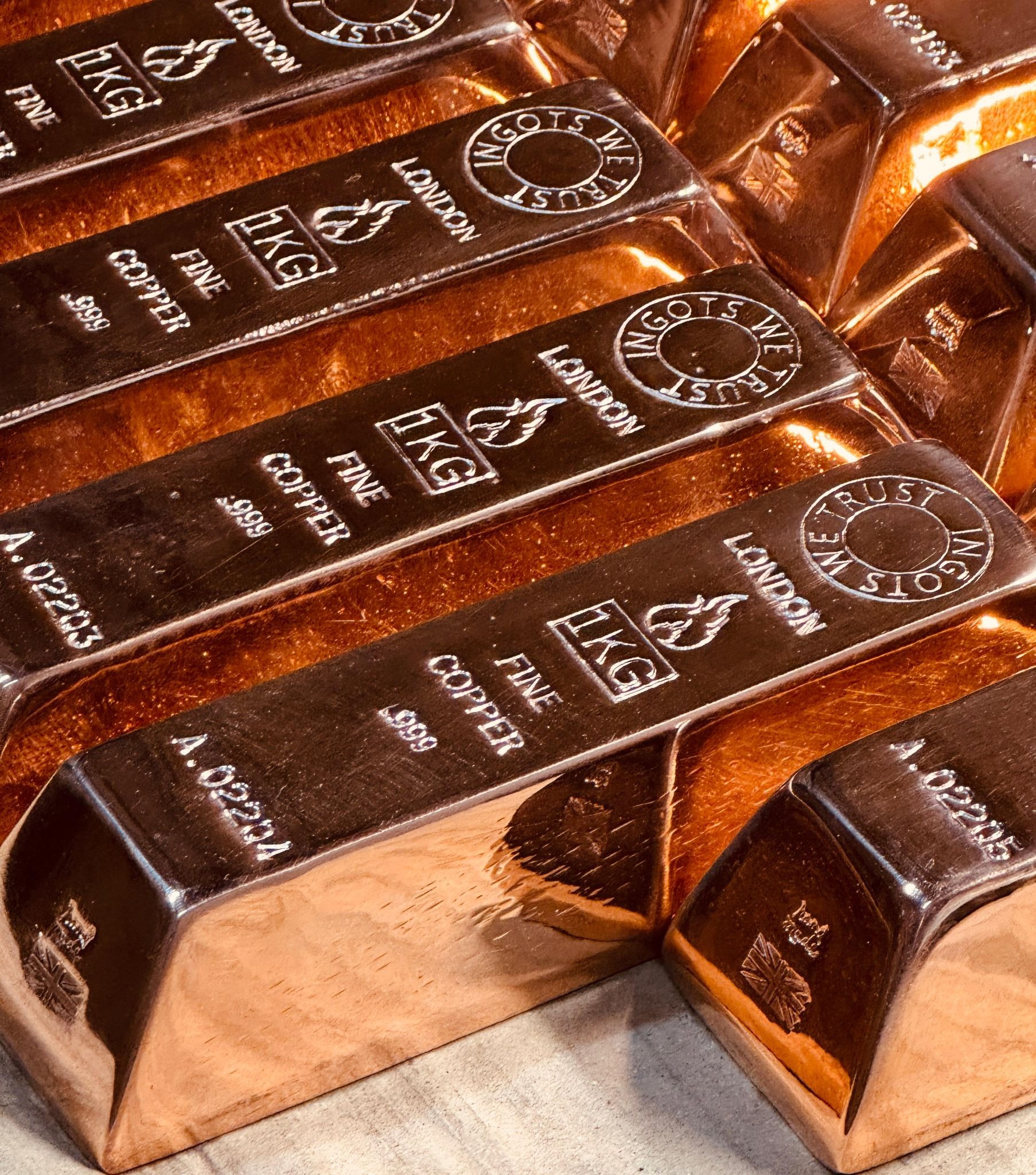
For those tracking the price of copper per kg specifically, current LME pricing translates to roughly £8,100 per tonne or approximately £8.10 per kilogram for refined copper. However, retail products like copper ingots command substantial premiums over these wholesale rates a reality that complicates physical copper investments compared to mining company shares or exchange-traded funds.
Investing in Copper: AI Infrastructure Driving Demand Explosion
Here’s where the story gets properly interesting. Artificial intelligence isn’t just changing software and algorithms it’s fundamentally reshaping physical infrastructure requirements in ways that directly impact copper demand. Hyperscale AI data centres can use up to 50,000 tonnes of copper per facility, compared to 5,000-15,000 tonnes for traditional data centres. That’s a three-to-tenfold increase in copper intensity per facility.
The scale of planned buildouts is staggering. With nearly 100 gigawatts of new data centre capacity expected between 2026 – 2030, copper demand from this sector alone could reach 572,000 tonnes annually by 2028. To put that in perspective, that’s roughly equivalent to adding another Chile the world’s largest copper producer to global annual demand, except it’s all concentrated in a single use case that barely existed five years ago.
Demand for copper used in AI infrastructure is accelerating rapidly, as data centres can require up to 10 times the electrical load of traditional facilities. This electrical intensity translates directly into copper wiring, transformers, cooling systems, and power infrastructure. Every AI training run, every large language model deployment, every autonomous vehicle fleet they all require massive copper installations to function.
Electric vehicles add another demand pillar that reinforces the structural bullishness. Each EV requires 83 kilograms of copper versus 23 kilograms for traditional petrol vehicles. As major economies mandate electric vehicle transitions over the next decade, this baseline consumption multiplies exponentially. Wind turbines, solar installations, and grid modernisation projects compound these trends further.
For UK investors considering investing in copper exposure, understanding this demand profile matters enormously. Unlike cyclical commodity booms driven by temporary economic expansions, this represents a fundamental shift in how global infrastructure consumes copper. The International Copper Association estimates global copper reserves at 870 million tonnes, with annual demand at 28 million tonnes currently but projected to reach 34,137 kilotonnes by later this decade a gap that new mining capacity struggles to fill.
London Stock Exchange listings provide excellent access to this opportunity. Glencore, currently producing 850-875 kilotonnes annually, aims to reach 1.6 million tonnes by 2035 nearly doubling output. Antofagasta focuses purely on Chilean copper operations, offering concentrated exposure to price movements. Central Asia Metals provides access to Kazakhstan’s Kounrad asset, though production may gradually decline without new acquisitions.
The operational leverage these companies provide amplifies returns compared to physical copper holdings. When copper prices increase 20%, mining company profits might jump 40% or more due to fixed cost structures. You’re also earning dividends whilst waiting for price appreciation something copper ingots or copper coins stored in your garage simply cannot provide.
Copper Prices: How US Tariffs Are Reshaping Global Markets
Now let’s discuss something that genuinely caught markets off-guard in 2025 and continues influencing 2026 pricing. Over the summer of 2025, the US administration initially exempted refined copper from 50% tariffs, which were applied only to semi-finished copper products and copper derivatives. This selective approach created bizarre market distortions where refined copper flooded into American warehouses whilst semi-finished products faced punitive duties.
The result? Nearly one million tonnes of copper are potentially parked in US storage facilities without obvious physical shortages elsewhere, even at record prices. Tariff threats may not be over, and regional price differentials and high physical premiums are likely to continue as traders position for potential policy shifts. The uncertainty itself becomes a market factor, driving precautionary stockpiling that tightens physical availability regardless of underlying supply-demand balances.
Here’s what makes this particularly tricky for investors. The copper market is pulled between a genuinely bullish long-term story and a more muddled near-term reality, with tariffs, trade policy and macro data driving sharp swings. On June 30, 2026, the US Secretary of Commerce will provide recommendations on whether universal duties on refined copper of 15% from 2027 and 30% from 2028 should be implemented. This crucial decision could reshape copper market structures throughout 2026 and beyond.
For UK investors, these transatlantic dynamics create both risks and opportunities. If American tariffs remain or expand, global copper flows will continue diverting toward US markets, tightening supply in Europe and Asia. British manufacturers requiring copper concentrate, copper plates, or finished products could face persistent premiums as they compete for non-US-bound material. Conversely, if tariffs are reduced or eliminated, the release of warehoused inventory might temporarily pressure prices even as underlying fundamentals remain tight.
Currency movements add another consideration. Most international metal trades settle in pounds sterling for UK transactions, but global LME pricing responds to various currency fluctuations. A weak pound makes UK copper more attractive to overseas buyers, potentially boosting local copper for sale pricing by 5-10% as export demand increases. We’ve seen this pattern emerge whenever sterling dips against major currencies.
Reddit investment communities have been actively debating these tariff implications. One thread highlighted how “economically trapped” copper creates opportunities for copper companies with global operations. When Glencore or Antofagasta can sell into multiple markets without tariff exposure, they potentially capture better netbacks than US-focused producers locked into American pricing structures.
Copper Ingots: Physical Investment or Portfolio Drag?
This brings us to perhaps the most debated topic on precious metals forums: should you actually buy physical copper ingots as an investment? The short answer for most UK investors is probably not, and understanding why reveals important lessons about commodity investing generally.
A 1-kilogram copper bar retailing for £31 when the melt value sits at £7 illustrates the challenge perfectly. You’re paying a 340% premium covering manufacturing, certification, dealer margins, and distribution costs. Unlike gold or silver, where premiums typically run 5-15% over spot prices, copper’s relatively low per-kilogram value means fixed costs dominate pricing. When you eventually sell, scrap yards typically pay near melt value, completely erasing that initial premium unless copper prices quadruple.
Storage presents another practical obstacle. A £10,000 investment in copper at current prices requires storing over 1,260 kilograms of metal more than a tonne. That’s not practical for most investors unless you’ve got considerable garage or warehouse space and don’t mind capital tied up in bulky, immobile inventory. Compare this to £10,000 in Glencore shares, which remain instantly liquid and require no physical storage whatsoever.
One Reddit user on The Silver Forum captured the sentiment aptly when discussing their 360 ounces of copper bullion: mixed reactions from the community highlighted that, whilst some appreciate the physical ownership aspect, most questioned the economics. The reality is that raw copper trades around £3.60-£4.50 per pound, but a 1-pound copper bar could cost £24-£26. That’s a 600-700% markup that’s extraordinarily difficult to overcome, even if copper prices rise substantially.
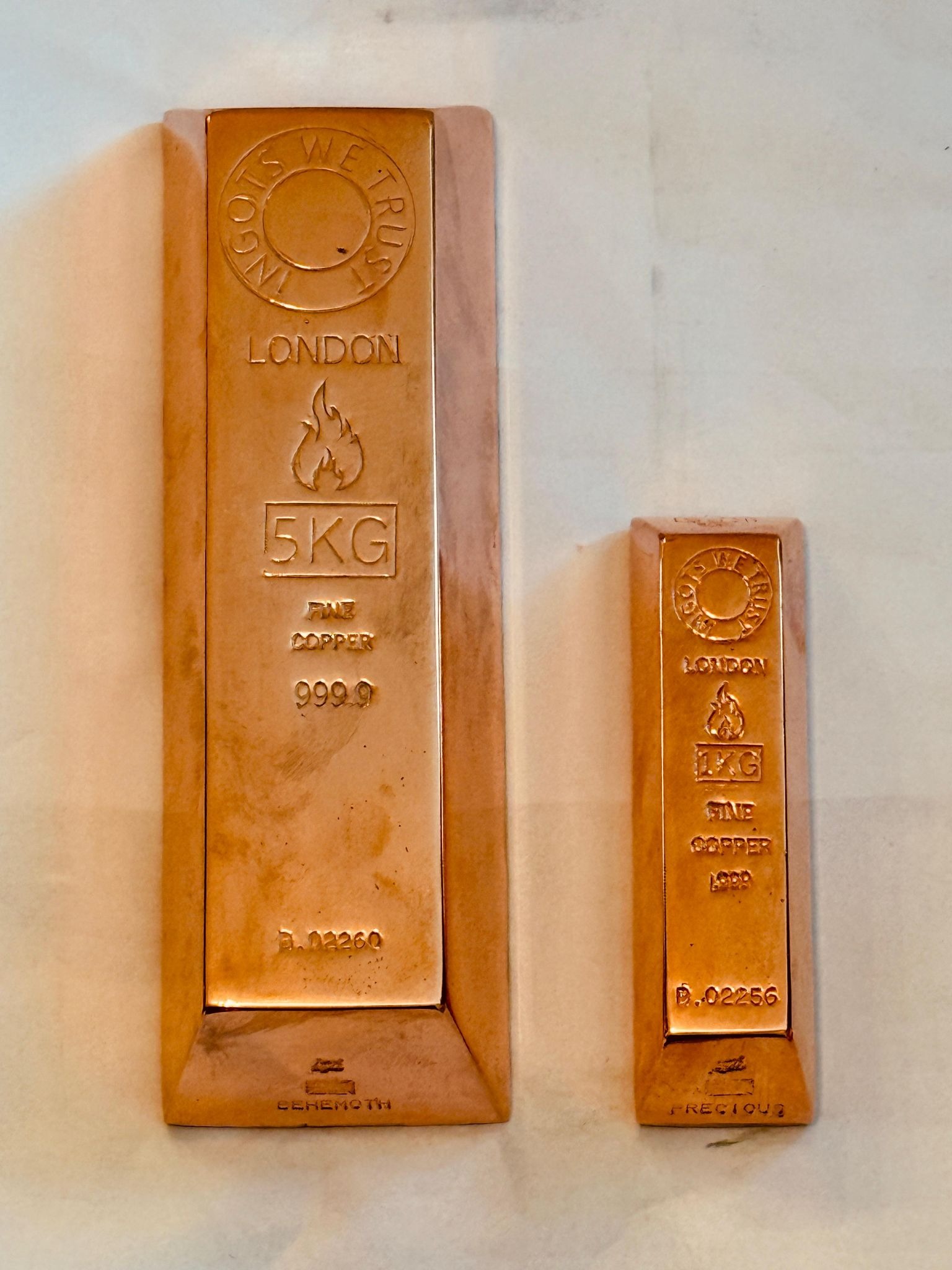
There are exceptions worth noting. Certain artisan pieces and limited-run copper coins from recognised coppersmiths sometimes maintain premiums through both metal appreciation and collectable demand. These “The Precious” category items appeal to those valuing aesthetics and craftsmanship alongside metal content. Beautifully designed rounds, architectural copper plates, or historically significant pieces might justify premiums if you’re genuinely collecting rather than purely investing.
Standard utility bars “The Behemoth” in collector parlance focus purely on metal weight with minimal design consideration. These face the harshest premium challenges since there’s no aesthetic or collectable value supporting resale prices. You’re entirely dependent on copper spot prices rising enough to overcome your initial markup and eventual selling costs.
For serious investors focused on capitalising on the AI-driven demand surge and supply constraints, copper companies deliver superior economics. The operational leverage, dividend income, liquidity, and elimination of storage headaches make shares the obvious choice for most portfolios. Physical copper works best for industrial users who need the actual material manufacturers, coppersmiths, or businesses managing copper for sale inventories as part of their operations.
Platforms like Ingots We Trust help investors navigate these decisions by consolidating copper prices across different forms and markets. Understanding the spread between LME benchmarks, retail copper ingots, scrap yard offers, and mining company valuations provides the context needed to make informed choices about where to allocate capital within the copper space. Learn more about Copper Plates for Sale: Artisan Options Like The Precious from Ingots We Trust
Frequently Asked Questions
Why is the copper price per pound rising in 2026?
The copper price per pound has climbed 36% over the past year to around £4.50, driven by three converging factors. First, AI data centres require 50,000 tonnes of copper per facility compared to 5,000-15,000 tonnes for traditional centres, creating explosive demand growth. Second, supply constraints from disruptions at Indonesia’s Grasberg mine and Chilean operations have tightened available material. Third, US tariff uncertainty has triggered stockpiling behaviour, with nearly 830,000 tonnes “economically trapped” in American warehouses. Refined copper use is expected to grow 2.1% in 2026, whilst production grows more slowly, creating a 150,000 tonne market deficit.
Should UK investors buy copper ingots or mining stocks?
For most UK investors, copper mining stocks offer superior returns compared to physical copper ingots. A 1kg copper bar retailing for £31 when the melt value is £7 represents a 340% premium that scrap yards won’t pay back when you sell. Storage is impractical £10,000 in copper requires storing over 1,260kg of metal. Mining companies like Glencore provide leveraged exposure to rising prices, generate dividends, remain liquid, and require no storage. When copper prices increase 20%, mining profits might jump 40%+ due to fixed costs. Physical copper works for industrial users, but investors benefit more from shares.
How are US tariffs affecting copper prices globally?
US tariffs on semi-finished copper products (but initially exempting refined copper) created market distortions where nearly one million tonnes flooded into American warehouses. This stockpiling tightens physical availability in European and Asian markets despite rising global inventory. Regional price differentials have widened, with British manufacturers facing premiums to secure copper concentrate and copper plates. On June 30, 2026, the US Secretary of Commerce will recommend whether 15% tariffs (2027) and 30% tariffs (2028) should apply to refined copper a decision that could reshape global copper flows and pricing structures throughout this year and beyond.
What’s driving AI’s impact on copper demand?
AI data centres consume 3-10 times more copper than traditional facilities due to dramatically higher electrical loads. Hyperscale AI operations require up to 50,000 tonnes of copper per facility for wiring, transformers, cooling systems, and power infrastructure. With nearly 100 gigawatts of new data centre capacity expected between 2026 – 2030, copper demand from this sector alone could reach 572,000 tonnes annually by 2028 roughly equivalent to adding another Chile to global annual demand. This structural shift combines with electric vehicle adoption (83kg copper per EV vs 23kg for petrol cars) and renewable energy buildouts to create sustained demand growth.
Where can I track current copper prices for investment decisions?
The London Metal Exchange provides global benchmark copper prices for refined metal, currently around £8,100 per tonne or £8.10 per kilogram. However, retail copper ingots command substantial premiums (300-600% above spot), whilst scrap copper for sale trades at discounts. Platforms like Ingots We Trust consolidate pricing across copper forms refined metal, copper concentrate, copper coins, copper plates, and regional variations helping investors understand true market dynamics. For investing in copper through mining companies, monitoring both LME copper prices and individual company operational metrics reveals when shares lag or lead commodity movements, supporting more informed investment decisions during this supply-constrained environment.
Popular Post



Leave a Comment