 Skip to content
Copper Concentrate Essentials: How It Drives Copper Companies’ Growth
Copper concentrate sits at the heart of the copper mining world it’s the semi-processed form that miners produce after crushing ore and floating out the valuable bits, typically with 20-30% copper content. This stuff gets shipped to smelters for turning into refined metal, and right now, in January 2026, with copper prices pushing records (around £4.42–£4.51 per pound, or roughly £9.74–£9.92 per kg based on LME spot equivalents and GBP conversions), the concentrate market feels the squeeze hard. Reddit threads in r/Commodities and r/investing often highlight frustrations: miners face disruptions (like Grasberg halts or Chilean issues), smelters deal with negative treatment charges (TCs), and everyone worries about supply tightness feeding into deficits projected for 2026.
If you’re trying to understand investing in copper beyond just watching spot prices or buying bars, grasping concentrate dynamics helps a ton. It explains why copper companies boom or struggle, and why physical copper ingots appeal as a straightforward alternative. Let’s unpack it conversationally.
What Is Copper Concentrate and Why Does It Matter in the Supply Chain
Copper concentrate is basically the upgraded ore miners sell cheaper to transport than raw rock, richer in copper, but still needs smelting and refining. It’s the key link between extraction and end-use products like wiring or EVs. When copper prices surge (as they’ve done, up massively year-over-year amid AI/data centre and renewable demand), concentrate becomes scarcer relative to smelter capacity. Miners get better margins, but smelters pay through the nose or cut output.
Reddit users in r/Commodities threads from late 2025 into 2026 complain about how concentrate shortages (from mine floods, force majeures, or slow new projects) ripple upstream driving up costs and supporting higher copper prices. The fix? Better supply visibility and perhaps diversifying away from pure miner exposure.
How Copper Concentrate Drives Growth for Copper Companies
Strong demand for copper concentrate fuels expansion at copper companies. Majors like Glencore, BHP, or Antofagasta (big in UK listings) invest heavily when concentrate premiums rise they ramp output, acquire assets, or push juniors. In 2026 forecasts, deficits of 100kt+ are flagged due to disruptions and lagging new mines, meaning companies with reliable concentrate output see stock pops and better dividends.
On Reddit (r/ValueInvesting, r/investing), people note miners leverage copper prices hugely concentrate tightness amplifies profits if they control good deposits. But risks abound: grade declines, permitting delays, or geopolitical hits. For UK investors, FTSE names offer indirect plays, though many prefer physical routes to skip volatility.
Copper Prices and Their Link to Concentrate Market Tightness
Copper prices don’t move in isolation copper concentrate supply tightness is a big driver. Low treatment/refining charges (sometimes negative) force smelters to idle capacity, tightening refined supply and pushing spot higher. Recent records (LME over £11,000+ per tonne equivalents earlier this year) tie directly to this imbalance.
Subreddit discussions in r/Commodities and r/investing echo this: users see 2026 as structurally bullish from electrification, but warn of cyclical dips if China slows. Tracking copper prices alongside concentrate news helps spot opportunities whether in stocks or tangible assets.
Physical Alternatives: Copper Ingots as a Hedge in Volatile Times
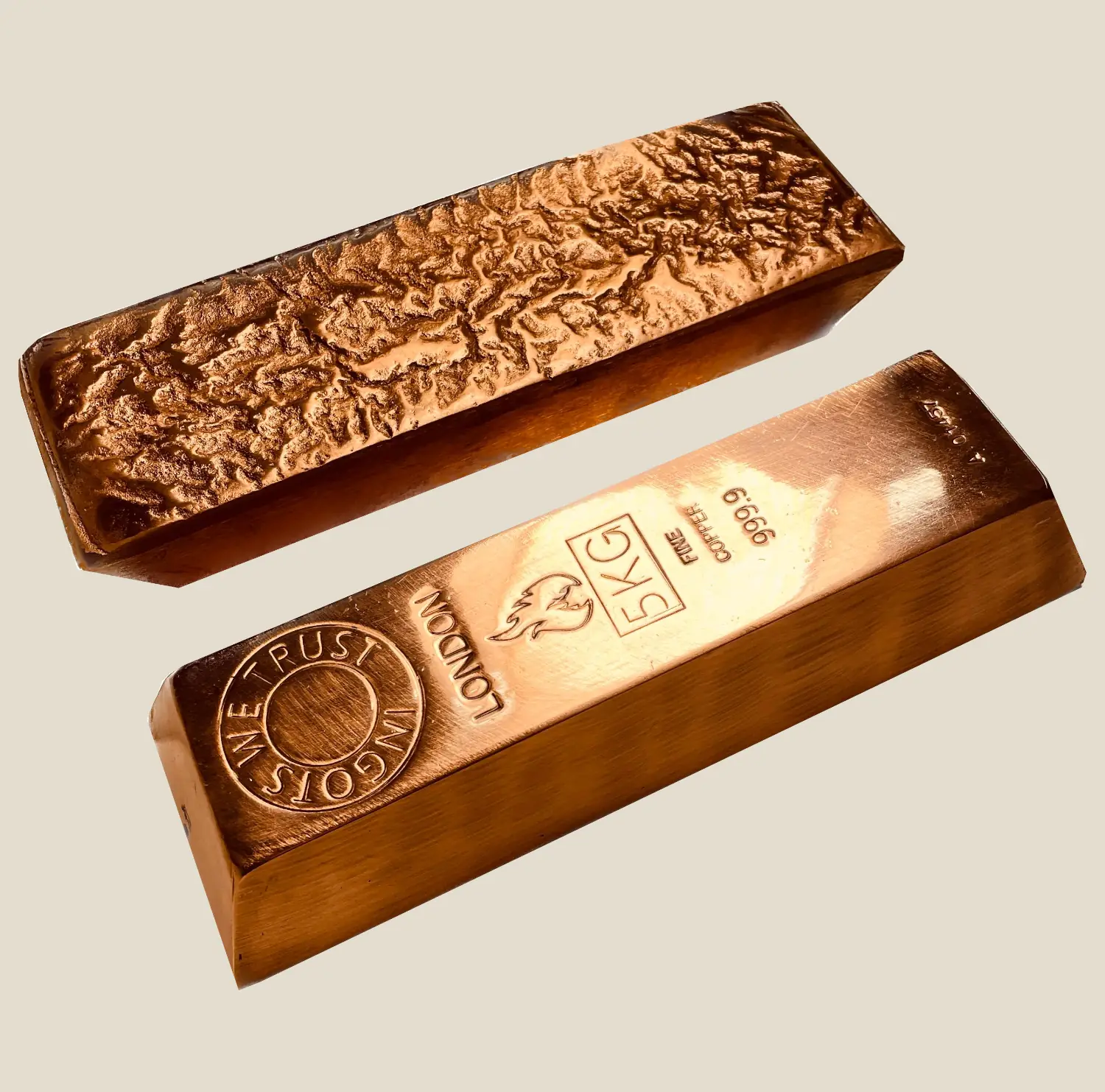
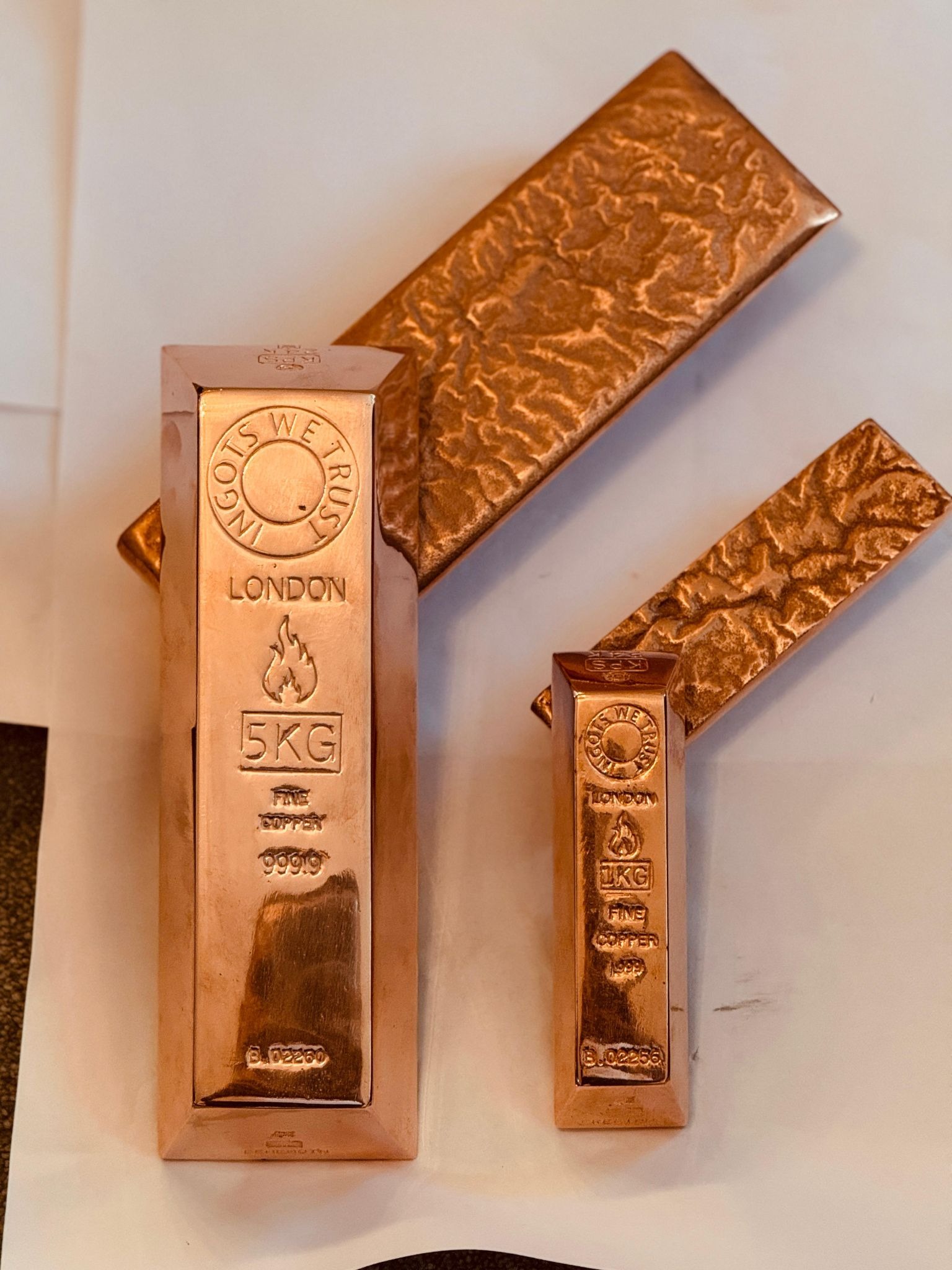
When concentrated woes make miner investments feel risky, physical copper ingots offer direct exposure without the drama. Ingots We Trust provides premium options like The Behemoth (a hefty 5kg piece) and The Precious (more compact and elegant), crafted with coppersmith heritage for purity and appeal. These tie to copper prices but add artisan value great for collectors or long-term holders, avoiding company-specific headaches.
Reddit folks in commodity threads often favour physical over miners for simplicity: no earnings calls, just metal that benefits from rising copper prices and supply crunches. If concentration tightness persists, physical holdings like these become even more attractive. Learn more about Why Copper Ingots Are the New Must-Have for Collectors
FAQs
What exactly is copper concentrate, and how does it influence copper prices?
Copper concentrate is partially processed ore (20-30% copper) sold to smelters. Tight supply from mine issues drives up treatment costs, squeezing smelters and supporting higher copper prices a key factor in 2026’s elevated levels.
Why are copper companies focusing so much on concentrate production right now?
With projected deficits and disruptions, reliable copper concentrate output boosts profits and growth for copper companies. Reddit investors highlight how this leverage plays out in stocks like Glencore or Antofagasta.
Is investing in copper via miners better than physical copper ingots during concentrate shortages?
Miners amplify copper price moves (per r/investing debates), but physical copper ingots (like The Behemoth from Ingots We Trust) avoid operational risks. Many prefer a mix for balance.
How can I track copper concentrate trends to inform investing in copper?
Follow LME data, mining news (disruptions at Grasberg, etc.), and copper prices. Subreddits like r/Commodities share real-time insights pair with physical options for stability.
Where can I buy high-quality copper ingots tied to these market dynamics?
Ingots We Trust (ingotswetrust.com) offers premium copper ingots like The Precious and The Behemoth, UK-crafted with purity focus ideal for riding concentrate-driven copper prices without miner volatility.



Leave a Comment