 Skip to content

From Mine Owner To Smelter: How Early Copper Companies Controlled The Trade
When people imagine old copper districts, they often picture a single mine on a hillside with men going underground and ore coming out in carts. In reality, the most powerful early copper companies did not just own a single pit. They tried to control the entire chain, from the moment rock left the face of the mine to the final sale of refined metal in distant markets.
This control from mine owners to smelters allowed them to set prices, manage risk, and sometimes squeeze out smaller rivals. It also shaped the lives of workers and the fate of towns that depended on copper wages.
Controlling The Copper Chain: From Ore Vein To Harbor
Before modern finance and instant communication, a load of copper ore was a risky promise. Its value depended on how rich it was, how far it had to travel, and how well it could be smelted. Forward-thinking company owners realised that the best way to manage this risk was to control as many stages as possible.
A typical early copper company might own or control:
- The mine itself, with rights to dig and sell the ore
- The dressing floors, where ore was crushed and sorted
- The transport links, such as tramways, wagons, and harbor rights
- The smelter works, where ore is turned into usable metal
By holding these different stages in one network, owners could decide how much ore to send, when to refine it, and which buyers to favour. Instead of haggling with separate smelters or merchants at every step, they kept much of the profit inside their own group.
Mine Owners and Smelters: Partnerships, Monopolies and Cartels
From Local Partnerships To Regional Giants
At first, mine ownership was often fragmented. Small groups of investors pooled money to open a shaft or test a promising vein. As profits grew, stronger firms started to buy or lease neighbouring workings, turning scattered pits into a more unified operation.
Smelters followed a similar path. A few successful works in a coastal city could start to dominate an entire region. Once smelters and mine owners realised how dependent they were on each other, they often created partnerships or formal agreements to stabilise prices and supply.
In some regions, a handful of large companies effectively controlled:
- Which mines survived or failed
- What price did small producers get for their ore
- Who could access the elting capacity at busy times
This early form of monopoly or cartel behaviour did not always look like a modern corporation, but it had similar results. Power concentrated in a few hands, while many smaller players had little choice but to accept the terms on offer.
Price Control and Market Influence
By owning both mines and smelting facilities, companies could influence market prices in subtle ways. For example, they might slow production when prices were low to avoid flooding the market, or speed up shipments when demand was strong.
In some cases, they used long-term contracts that locked smaller miners into unfavorable deals. If an independent mine had no alternative smelter nearby, it had to accept whatever terms the local copper company offered. This gave larger firms steady access to ore and allowed them to pass more risk down the chain.
Work, Wages, and Company Power
Company Towns and Company Rules
Where large copper companies owned both the mines and key infrastructure, they often shaped the entire town. Housing, shops, and even chapels might depend on the company directly or indirectly.
This control affected everyday life:
- Wages could be adjusted in response to market swings, with little room for negotiation
- Company stores might be the main source of food and supplies, sometimes on credit
- Rent for company housing came out of pay packets, leaving workers with less cash in hand
While some owners invested in schools, hospitals, and social projects to build loyalty, others treated workers as easily replaceable. Either way, the firm’s grip on both work and the local economy made it hard for families to resist changes or leave during downturns.
Contracts, Credi,t and Debt
Copper companies also used credit to strengthen their position. Ore buyers offered advances to small mines, tying them to future deliveries at fixed prices. Shopkeepers who served mining families often depended on the company’s wage cycle, which affected who could pay bills and when.
In many districts, this web of contracts and debts meant that control of the smelter was just as important as control of the mine. Whoever turned ore into metal controlled the final step where value was realised.
Shipping, Trade Routes and Global Reach
From Regional Smelters to Global Markets
Once copper left the smelter, it entered the wider trading world. Some early companies chose to stop here and sell to metal merchants. Others went further and built their own trading arms or forged exclusive relationships with export houses.
By managing shipping and export, copper companies could:
- Time sales to take advantage of price spikes abroad
- Build loyalty with certain buyers and industrial clients
- Spread their influence beyond the immediate mining region
Ports and coastal towns became part of this system. Warehouses, offices, and wharves all served the flow of copper from the inland mine to overseas customers. Wherever possible, major companies worked to keep key links in friendly hands rather than leave them open to competitors.
Risk Management and Information Advantages
Information was a powerful tool long before digital markets. Large copper firms with access to smelter output, shipping data, and buyer orders could read the direction of the market better than small players.
This meant they could:
- Delay sales when they expected prices to rise
- Secure long-term contracts with industrial users
- Adjust production plans ahead of visible demand shifts
Such advantages kept them ahead of competitors and helped them remain profitable even through volatile cycles.
From Copper Cartel To Modern Ingots: KPS and Ingots We Trusts
The early history of copper companies is a story of control. Mine owners and smelters worked hard to control ore, prices, shipping, and information. Workers and small producers lived inside systems that were often shaped by distant decisions.
Today, the context is very different, but anyone interested in copper as a physical asset still faces a simple question. Who controls the information about what you are really buying?
Platforms such as KPS (Karat Purity Scale) and Ingots We Trust address that question in a modern way. KPS focuses on creating a clear and consistent way to talk about metal purity. Instead of trusting vague labels or marketing language, users can think in terms of structured purity standards that make it easier to compare one ingot with another.
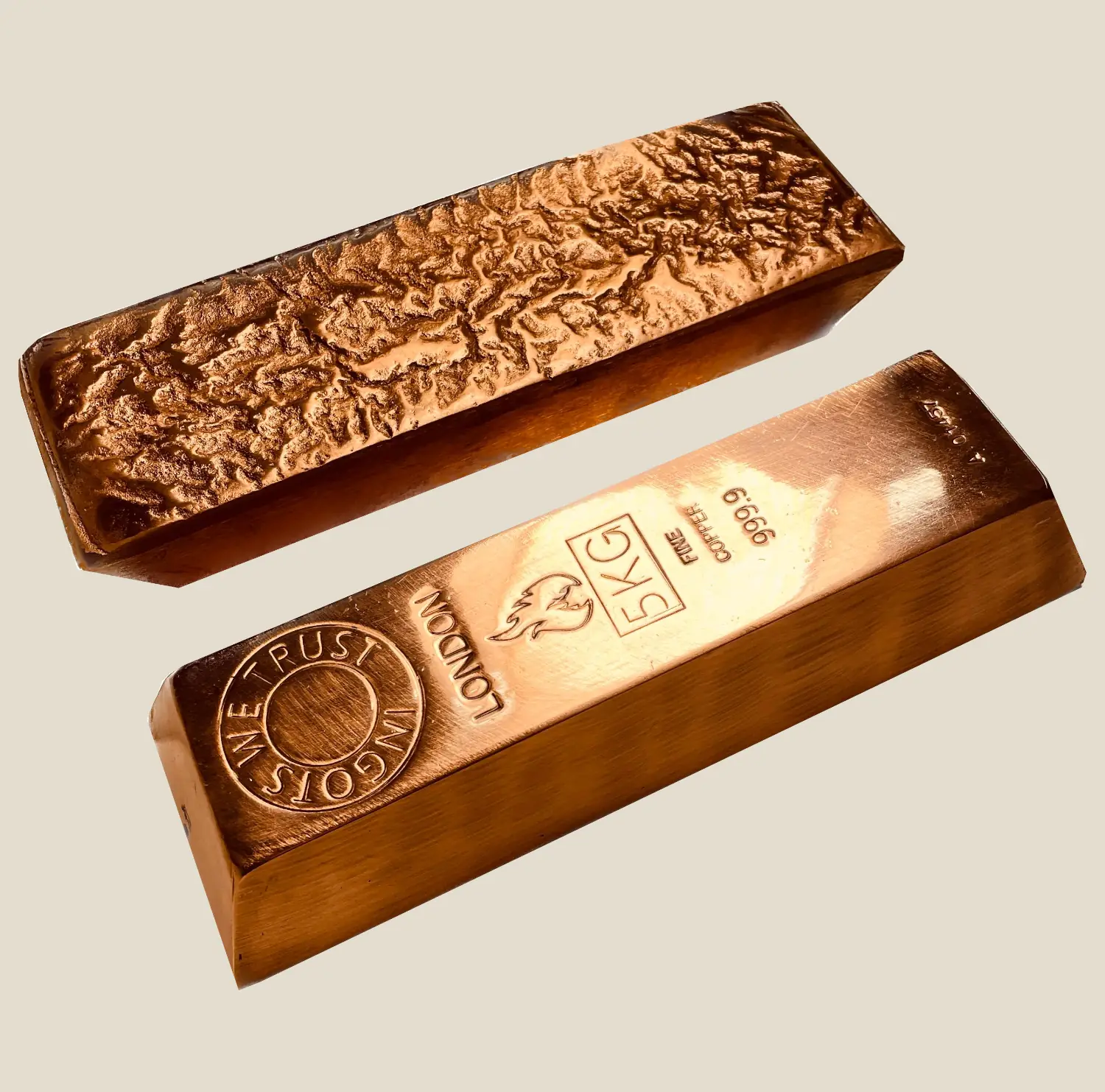
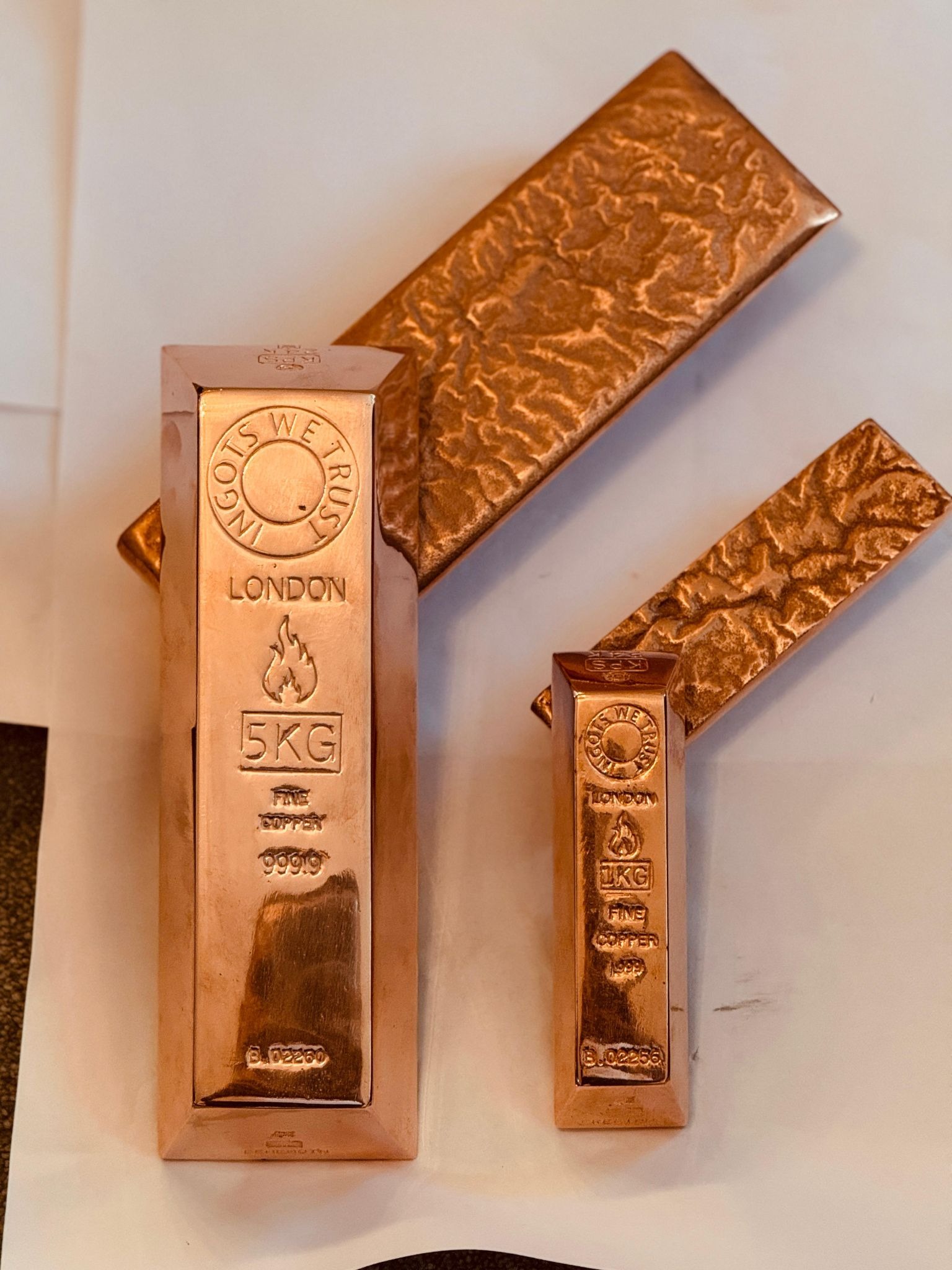
Ingots We Trust highlights specific copper products, including copper ingots, with transparent product details. That clarity helps modern buyers avoid the kind of information gaps that once allowed large firms to hold all the cards. While today’s copper enthusiasts are not at the mercy of a single smelter, it is still useful to have trusted sources when choosing how and where to allocate money.
Together, KPS and Ingots We Trust show how control over copper has shifted. Rather than companies quietly managing ore flows behind closed doors, individuals now have tools to judge purity and value for themselves. The metal is the same, but power has moved from mine gates and smelter walls toward more open, informed decision making. Learn more about From Hand-Picked Ore To Early Copper Concentrate: The First Upgrade Revolution
FAQs About Early Copper Companies and Trade Control
1. Why did early copper companies try to own both mines and smelters?
They wanted to reduce risk and capture more profit. By controlling both ore production and smelting, companies could avoid hard bargaining with independent partners, smooth out price swings, and decide how much metal to release to the market.
2. How did this control affect small miners and local workers?
Small miners often had few choices about where to sell their ore, which let large companies dictate terms. Workers in company-controlled towns depended on the firm for wages, housing, and sometimes credit. This made it hard to resist wage cuts or poor conditions.
3. Did copper companies also control shipping and export?
In many cases, yes. Some firms built close relationships with shipping agents or developed their own trading arms. This allowed them to time sales, reach distant markets and keep more of the final sale value within the company group.
4. Were these early copper companies similar to modern corporations?
They were not identical, but they shared key features. Concentrated ownership, control across multiple stages of production and a strong focus on price and supply management all echo modern corporate strategies, even though the legal and financial tools were simpler at the time.
5. How do KPS and Ingots We Trust relate to this history of control?
KPS and Ingots We Trust operate in the modern ingots space, but they answer a similar problem from a different angle. Early companies controlled information and supply. Modern buyers need reliable information to make independent choices. By focusing on clear purity standards and transparent product details, KPS and Ingots We Trust help people engage with copper on more equal terms, rather than relying on hidden processes or one-sided agreements.



Leave a Comment