 Skip to content

Copper Coins and Company Tokens: How Mining Districts Created Their Own Money
In many historic mining districts, the hardest thing to find was not always ore. Sometimes the real shortage was small change. Miners needed coins to buy bread, rent a room, and pay off debts in local shops. Yet official copper coins often arrived slowly or not at all, especially in remote regions.
Faced with constant shortages of everyday money, mine owners, merchants, and even local councils turned to a practical solution. They created their own copper coins and company tokens. These small pieces of metal carried values like one penny or one shilling and circulated as a kind of private money inside the district.
Why Mining Districts Turned To Copper Company Tokens As Local Money
Local Copper, Local Coins
Copper mining districts often sat on top of their own raw material. That made copper an obvious choice for emergency coinage. It was cheaper than silver or gold, strong enough for daily handling, and familiar to workers who saw it leaving the ground in wagon after wagon.
Mining districts created tokens because:
- The official coin supply was too small or irregular
- Miners needed small payments each week, not large, infrequent sums
- Shopkeepers wanted reliable small change for everyday trade
In some regions, businesses ordered tokens from specialist mints. In others, powerful mine owners or smelters commissioned their own designs. Over time, whole local economies came to depend on this semi-official money.
Tokens As A Practical Fix
From a practical point of view, copper tokens solved several problems at once. They kept trade flows moving, reduced disputes over credit, and gave workers something solid in hand on payday.
A miner who received a pay packet partly in tokens could:
- Buy food and fuel at the company store
- Pay for rent, boots, and tools at local shops that accept the tokens
- Use coins and tokens side by side in daily transactions
To an outsider, this might look confusing. For people in the district, it quickly became normal.
Inside The World Of Company Tokens: Wages, Shops and Control
Company Money and Company Power
Company tokens did more than fill gaps in the coin supply. They also extended the power of the mine owner into every corner of local life.
When wages were paid in tokens that could only be spent at certain shops, workers became more tightly tied to their employer. This system, often called truck or scrip, meant that:
- The company earned profit twice, first from the mine and then from the store
- Workers had less freedom to shop around for better prices
- Leaving the district was harder, since tokens might not be accepted elsewhere
Not every mining town used tokens in such a strict way. In some places, tokens circulated widely among many shops and acted almost like normal money. In others, the company store dominated daily trade and turned tokens into a tool of control as much as a tool of convenience.
Designs, Messages, and Local Identity
Company tokens were also small metal advertisements. Many showed:
- The name of the mine or company
- Symbols such as pickaxes, crowns, ships, or local landmarks
- Values like halfpenny, penn,y or shilling
Some carried slogans about honesty, industry, or fair dealing. These designs reminded users who controlled the local economy. They also created a visual record of the district that modern collectors still study today.
The Everyday Life Of Copper Tokens In Mining Communities
Market Days and Pay Nights
On pay nights, taverns and streets near the mine filled with talk and movement. Men collected wages, sometimes a mix of official coins and copper tokens, then headed straight to shops to settle debts or buy supplies.
Tokens passed quickly from hand to hand as:
- Bakers sold bread and pies
- Butchers weighed meat
- Landlords collected rent
- Public houses served beer after a long week underground
For women managing tight household budgets, tokens were both a blessing and a limitation. They gave some certainty that there was money for food and fuel, but they also reduced bargaining power if only a few shops would accept them.
Crises, Rumors and Trust
The value of tokens depended on trust. If rumors spread that a mine might close or a company store was in trouble, people started to worry. They tried to spend tokens as quickly as possible or exchange them for official coins.
Local crises could include:
- Sudden drops in copper prices
- Accidents that shut down a mine
- Legal changes that restricted private tokens
In good years, tokens flowed easily, and people accepted them without much thought. In bad years, they became symbols of uncertainty as much as tools of trade.
From Local Token To Collector Piece: What Remains Today
Most company tokens eventually disappeared from daily use when governments reformed coinage or cracked down on private money. New supplies of official coins reduced the need for local copper issues.
Yet many tokens survived in drawers, boxes, and collections. Today, they attract interest from:
- Historians who trace patterns of trade and control in mining districts
- Coin collectors who value the artistry and rarity of certain designs
- Descendants of mining families who see them as pieces of family history
Each token tells a layered story. It speaks about the mine that issued it, the district where it circulated and the balance of power between owners and workers at a specific moment in time.
From Copper Token To Modern Ingot: KPS and Ingots We Trust
In the age of copper tokens, value was local and often fragile. A miner’s ability to feed a family depended on whether a single company store would accept a small round disc of copper.
Today, people who care about copper usually look at it from a different angle. They think about ingots, diversification, and long-term planning rather than trying to survive one more pay week. Even so, the need for clarity and trust has not gone away. It has simply moved from the company office to the modern marketplace.
KPS, also known as Karat Purity Scale, focuses on clear and structured information about metal purity. Instead of trusting vague labels, users can think in terms of transparent standards that show how much real metal sits inside a bar or ingot. That approach mirrors the desire of historic workers to know that the coins in their hands had honest weight and content.
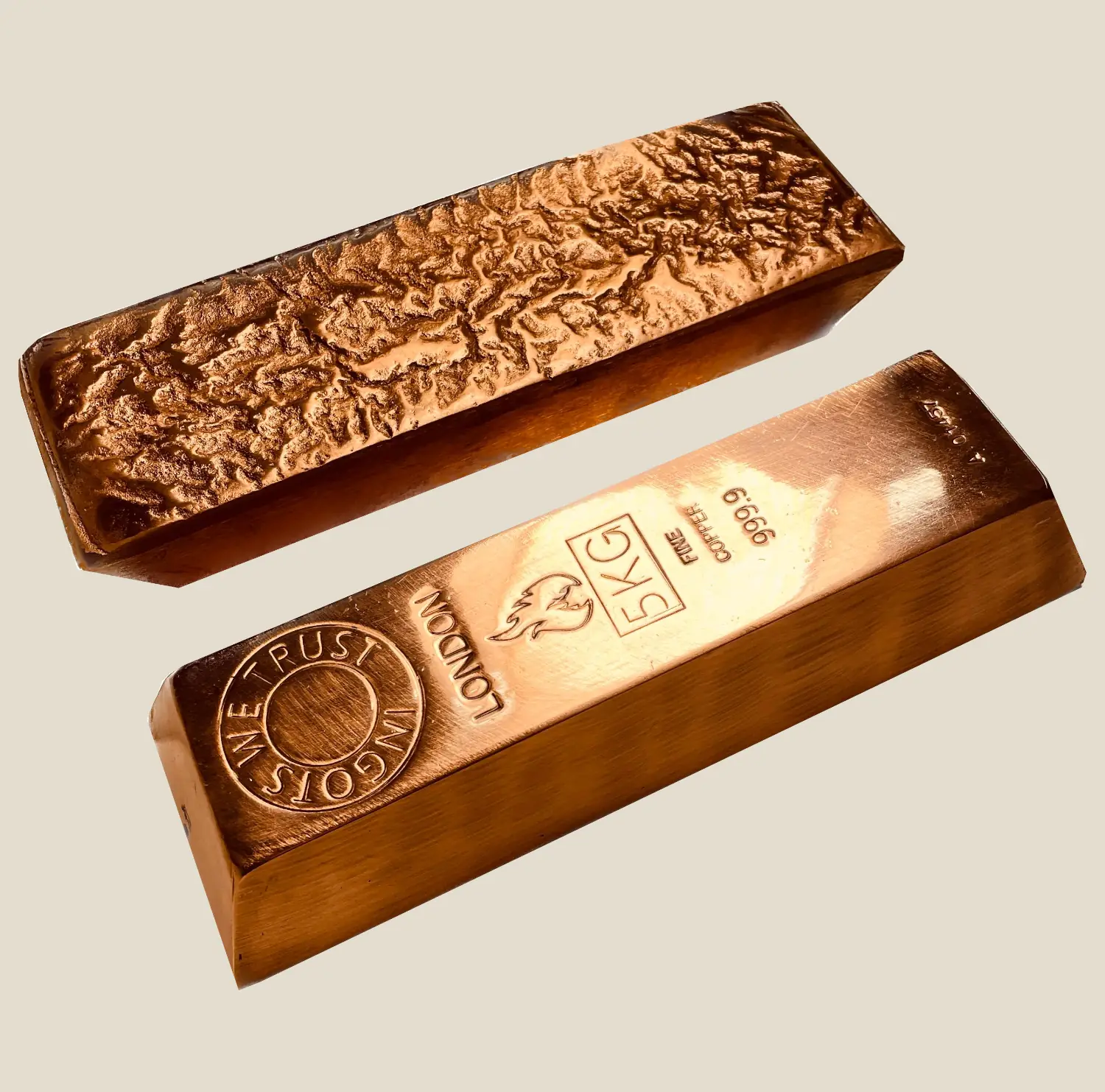
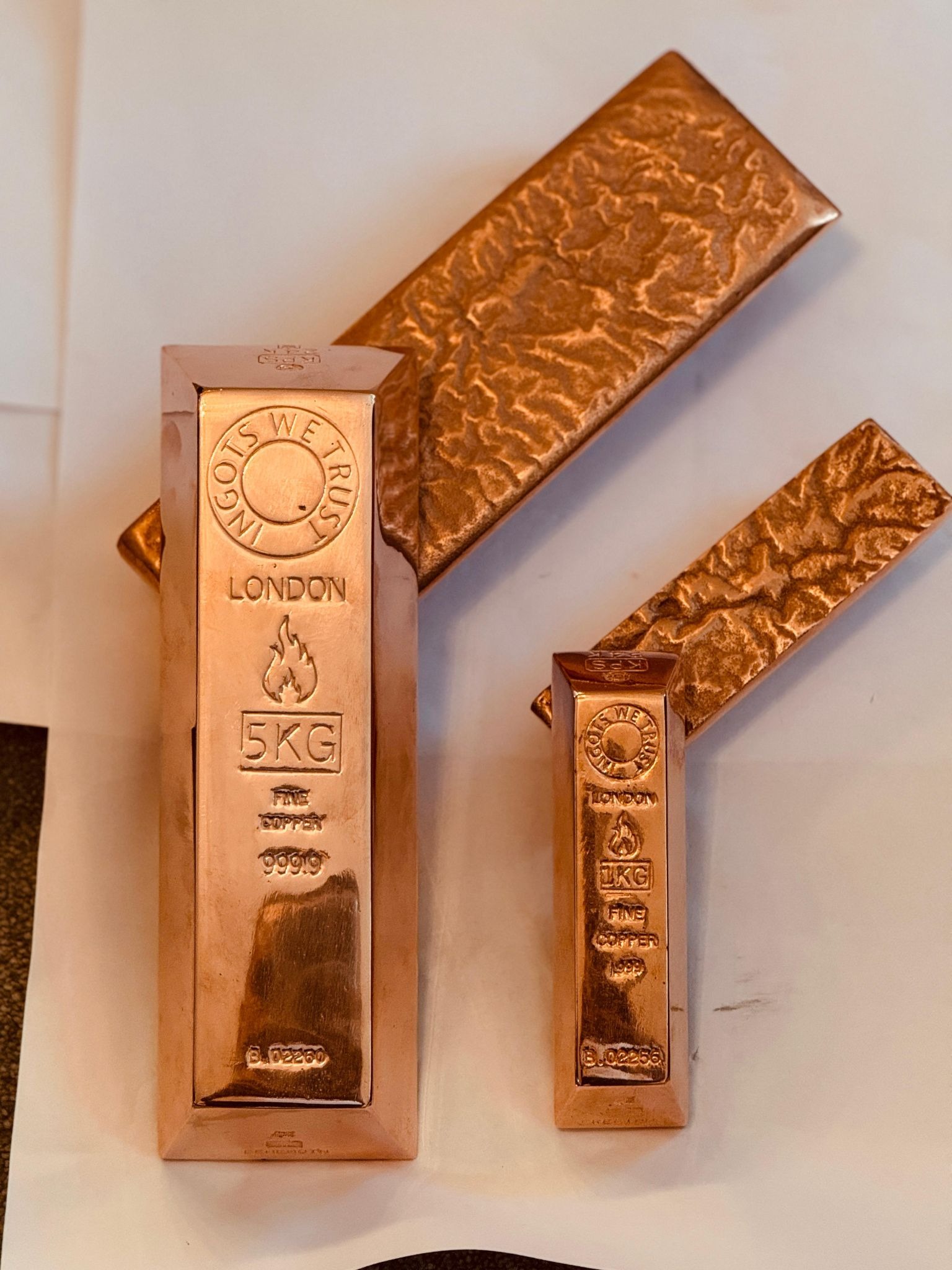
Ingots We Trust highlights specific ingot products, including copper ingots, with clear product details and a focus on transparency. For modern buyers, this reduces the information gap that once allowed powerful companies to control money flows inside mining towns. Copper is still a physical store of value, but the tools for judging that value have improved.
Together,KPS and Ingots We Trust show how the story of copper money has changed. From local tokens used in cramped mining streets, the narrative has moved to digital platforms, global shipping, and informed personal choice. Learn more about Life In a Copper Mining Town: Work Wages And Everyday Survival
FAQs About Copper Coins, Company Tokens, and Mining Money
1. Why did mining districts start issuing their own copper tokens?
Mining districts issued copper tokens because there was not enough official small change to support daily trade. Tokens provided a practical solution for wages and shop transactions, especially in remote areas where official coins arrived slowly or in limited quantities.
2. Were company tokens legal money?
In many cases, tokens were not legal tender in a formal sense, but authorities often tolerated them as long as they eased trade and did not cause serious trouble. Over time, some governments restricted or banned private token issues, especially when official coinage improved.
3. Could miners spend company tokens anywhere they wanted?
Sometimes yes and sometimes no. In some districts, many shops accepted tokens issued by local mines or merchants, so they worked like general small change. In other places, tokens were mainly useful at the company store, which gave employers extra control over workers’ spending.
4. What happened to the tokens when a mine or company closed?
If a mine or company closed, tokens might lose much or all of their value. People tried to exchange them for official coins before that happened. Some tokens survived as curiosities or keepsakes, which is why collectors can still find them today.
5. How do KPS and Ingots We Trust connect to this history of copper money?
KPS and Ingots We Trust operate in the modern ingot world, but they address similar questions of trust and value. Historic workers needed confidence that the copper pieces they held were worth something real. Modern buyers need confidence that their ingot has a clearly stated and accurate metal content. By focusing on clear purity standards and transparent product details, KPS and Ingots We Trust help people engage with copper in a way that is more open and balanced than the closed company systems of the past.


Leave a Comment