Skip to content

From Coppersmith Tradition to Modern Masterpiece: The Art of Hand-Poured Copper Ingots
There’s something visceral about watching molten copper fill a mold. The color shifts from almost white-hot to that distinctive orange glow, then settles into the rich red-brown we recognize. For centuries, the coppersmith worked this metal into everything from cooking vessels to ship fittings, building an intimate knowledge of how copper behaves under heat and hammer. Today’s artisan pourers carry that tradition forward, but they’re creating something different: hand-poured copper ingots meant not for further working, but as finished objects worth holding onto.
The Coppersmith Legacy: Why Hand-Poured Copper Ingots Honor Traditional Craft
Walk into any serious metalworking forum on Reddit—r/Metalworking or r/Blacksmith—and you’ll find heated discussions about the difference between cast and hand-poured work. A coppersmith didn’t just melt and pour. They understood grain structure, cooling rates, and how impurities affected workability. That knowledge matters even when you’re making copper ingots that will never be hammered into copper plates or drawn into wire.
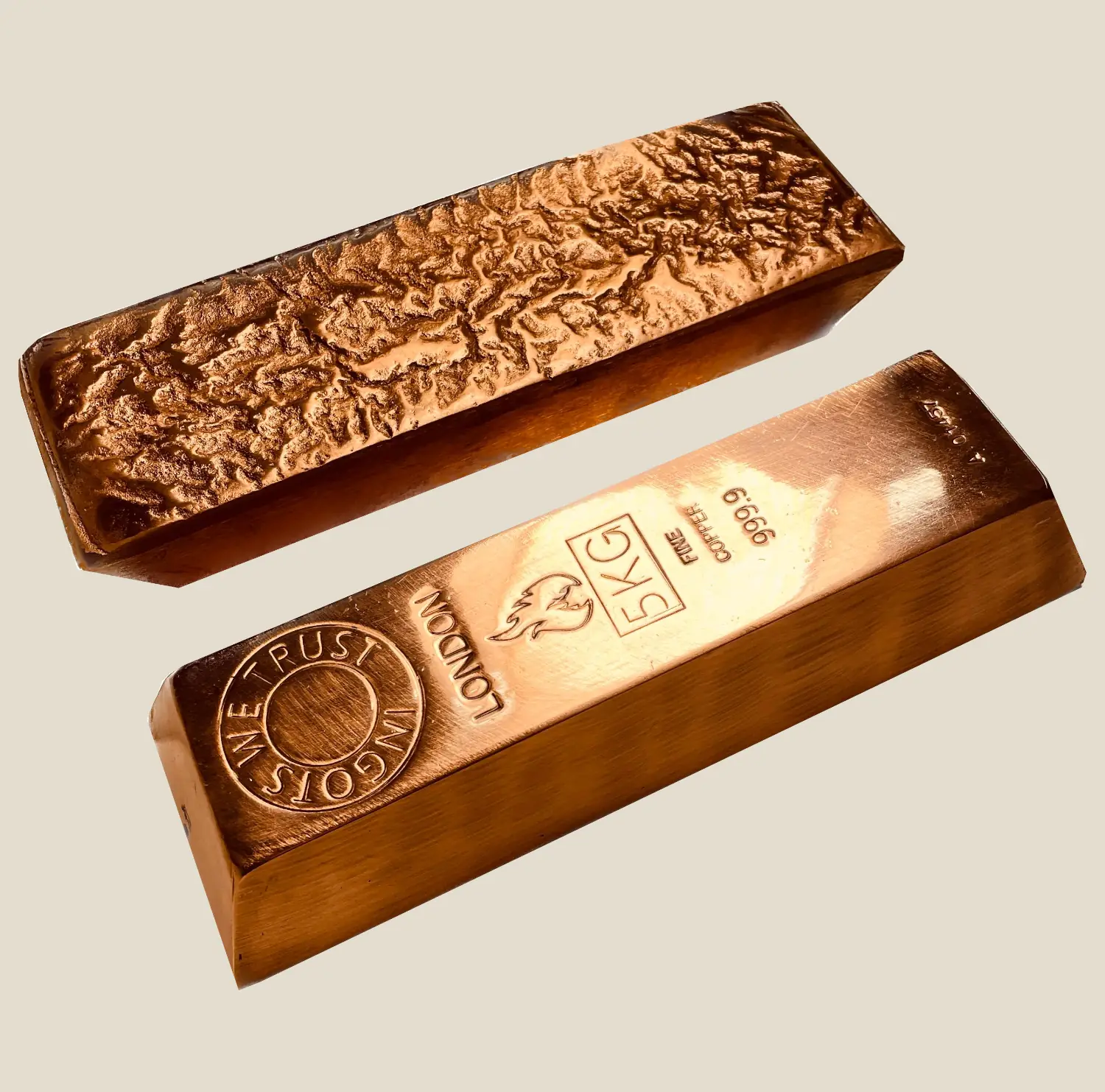
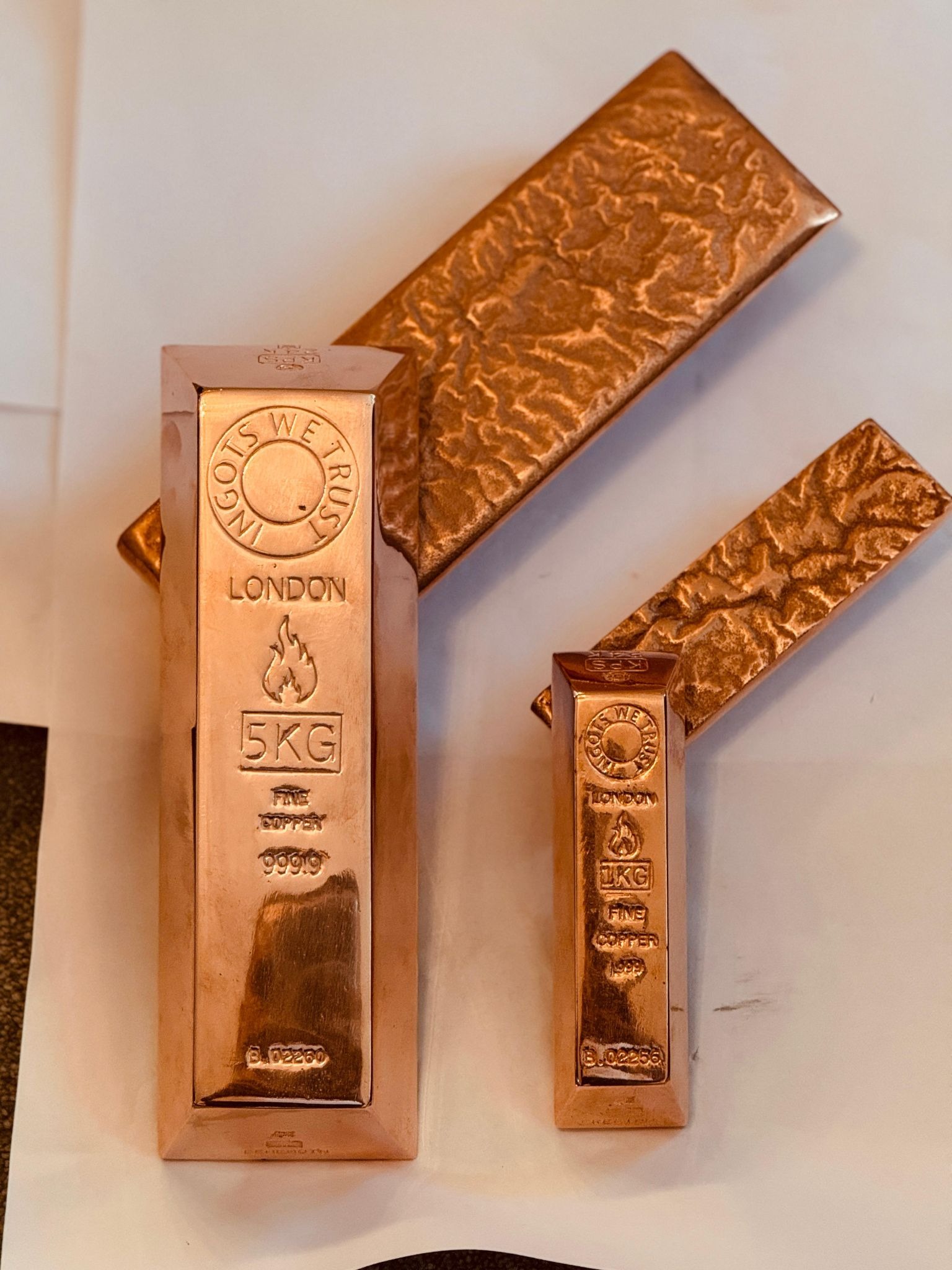
Modern artisan pourers who respect this tradition don’t just heat copper to a liquid and dump it into a mold. They carefully control the temperature, often pouring in small batches to manage cooling, and finish each piece by hand. The result is copper products that carry visible evidence of the making process—slight variations in surface texture, hand-stamped marks, edges that show filing work rather than machine precision.
This isn’t about inefficiency. It’s about creating something that feels real in a market flooded with identical industrial bars. Users on r/Silverbugs regularly discuss this factor of tangibility. One thread compared machine-made bars to hand-poured pieces, and the consensus was clear: people enjoy owning items that show human involvement in the creation process, even if it means accepting minor imperfections.
Copper Prices and the Premium Puzzle: What Hand-Pouring Actually Costs
Here’s where newcomers get confused. They check the current copper price per pound, see it’s relatively low compared to silver or gold, then encounter hand-poured copper ingots priced at multiples of the spot price. The gap feels unreasonable until you understand what’s actually being paid for.
Industrial copper bars are produced in large volumes using automated processes. The per-unit cost drops dramatically at scale. Hand-poured work doesn’t scale the same way. Each melt uses fuel and time. Each piece gets individual attention during cooling and finishing. Molds wear out. Mistakes happen, and metal gets remelted. The coppersmith tradition demanded this level of care because the final product had to perform—a leaking copper pot meant a failed craftsman.
Today’s artisan pourers face similar economics. Their pieces can’t compete on pure copper price per kg with industrial bars, and they don’t try to. Instead, they’re selling craftsmanship, traceability, and aesthetic value. On r/Pmsforsale, you’ll see this play out in real time. Generic copper bars sit unsold at low premiums while hand-poured pieces from known makers move quickly despite higher prices. Buyers aren’t being irrational—they’re valuing different attributes.
Investing In Copper Through Artisan Products: Beyond Pure Metal Speculation
If your only goal is maximum copper tonnage at minimum cost, hand-poured copper ingots probably aren’t your best bet. But investing in copper isn’t always about pure commodity exposure. Some people want physical metal they’ll actually enjoy owning, pieces that might develop secondary market value beyond melt price.
This is where the coppersmith tradition intersects with modern collecting. A well-made hand-poured ingot from a respected artisan isn’t just storing metal—it’s preserving a piece of craft knowledge. Limited-edition pours, especially those referencing historic copper-mining regions or traditional techniques, can build followings. Reddit’s r/Copper community regularly discusses which makers produce investment-worthy pieces versus pure craft objects.
The smart approach, according to experienced stackers, is mixing strategies. Hold some low-premium industrial bars if you want straightforward copper price exposure. But also consider a few hand-poured pieces from makers whose work you genuinely appreciate. If copper prices rise, both gain. If they stagnate, you’re more likely to keep holding items that give you aesthetic satisfaction rather than dumping everything in frustration.
Copper Products: How Hand-Pouring Creates Distinction in a Crowded Market
The market for copper products has gotten noisy. Dealers offer everything from reclaimed scrap to certified pure bars, copper coins to decorative copper plates. Standing out requires either the lowest price or a compelling reason why your product is different. Hand-pouring provides that differentiation.
When a maker posts photos of their process—the crucible glow, the careful pour, the hand-finishing—they’re building a narrative that connects modern buyers to traditional coppersmith methods. This storytelling matters. On metalworking subreddits and Instagram accounts focused on craft, the making process often generates as much interest as the finished product.
Buyers who care about this distinction become loyal customers. They’re not just hunting for copper for sale at rock-bottom prices. They want pieces with provenance, character, and connection to metalworking tradition. Hand-poured copper ingots deliver all three in ways that machine-made bars simply cannot.
FAQ: Understanding Hand-Poured Copper Value
Q: Why do hand-poured copper ingots cost more than the current copper price per kg?
You’re paying for individual craftsmanship, small-batch production, hand-finishing, and the maker’s expertise. Unlike industrial bars made by the thousands, each hand-poured piece requires significant time and skill. The premium reflects these labor costs, as well as the collectible and aesthetic value.
Q: Are hand-poured pieces good for investing in copper long-term?
They can be, but with different dynamics than industrial bars. Hand-poured copper ingots from respected makers may hold their premium better during price downturns and can appreciate independently if the maker develops a strong following. Mix them with lower-premium bars for balanced exposure.
Q: How can I verify quality in hand-poured copper products?
Look for makers who show their process, provide purity documentation, and have a community reputation in forums like r/Pmsforsale or r/Copper. Check for consistent hand-stamped marks, clean pours without excessive pitting, and proper finishing work that honors traditional coppersmith standards.
Q: What makes a hand-poured ingot collectible versus just expensive?
Limited-edition runs, connections to historic copper-mining regions, collaborations with known artists, or references to traditional coppersmith techniques all add collectible value. Generic hand-pours without these elements may command premiums but won’t necessarily generate secondary-market interest.
Q: Should I expect hand-poured pieces to track copper prices exactly?
No. While base metal value provides a floor, hand-poured copper ingots often move somewhat independently due to their collectible premium. During copper price spikes, the percentage premium may compress. During drops, it may expand as collectors continue valuing the craftsmanship regardless of spot metal prices.