
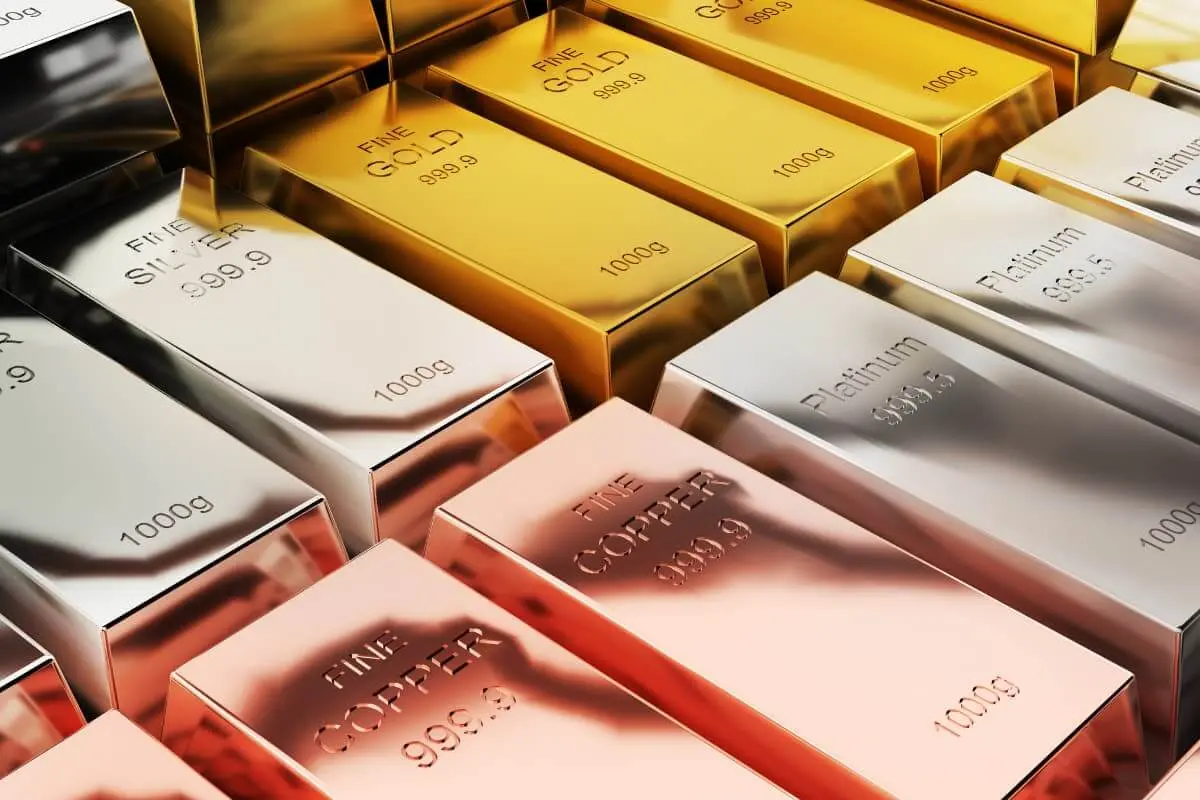
Current Copper Prices and Ingot Value Appreciation
One question comes up constantly in UK copper investing circles: does holding physical copper ingots actually grow in value over time, or does it just track inflation? The honest answer is that it depends heavily on when you bought, what purity you hold, and increasingly on a set of structural forces in the copper market that are fundamentally different today to what they were a decade ago.
This post looks at where current copper prices stand, what is driving them, and how those drivers translate into the real-world value appreciation of physical copper ingots for UK buyers.
Current Copper Prices: Where the Price of Copper per Kg Stands in 2026
Copper prices in early 2026 are broadly in the £7.50–£9.00 per kg range for Grade A electrolytic copper, converted from the LME US-dollar spot price at prevailing GBP/USD rates. That represents a meaningful increase from the £5.50–£6.50 range that characterised much of 2022 and early 2023, and the trend has been broadly upward since then with periodic consolidations.
The copper price per pound the unit most commonly quoted in North American market commentary that UK buyers encounter online has been correspondingly elevated, running in the range of £3.40–£4.10 per pound through the same period. For anyone who purchased copper ingots in 2022 and has held them since, the simple price-of-copper-per-kg appreciation represents a return that has comfortably outpaced cash savings rates without any leverage or counterparty risk.
UK copper communities on r/CopperStackers and r/UKInvesting have documented individual purchase histories that illustrate this appreciation clearly. Contributors who bought large-format copper ingots in The Behemoth range at 2022 copper prices and are sitting on positions now have seen straightforward copper price appreciation of 25–40% on their metal value a return that required nothing more active than holding verified, high-purity copper through a period of structural market change.
Copper Ingots and Purity: How Grade Determines Whether You Capture Price Appreciation
Not every copper ingot benefits equally from copper price appreciation. The price of copper per kg that the LME quotes and that buyers use as the benchmark for fair value is based specifically on Grade A electrolytic copper at 99.99% purity. Copper ingots that meet this grade appreciate in direct proportion to copper price movements. Lower-grade copper ingots fire-refined at 99.0–99.5%, or unverified secondary copper from mixed scrap trade at discounts to spot that can fluctuate independently of the headline copper price.
This means that a buyer who holds fire-refined copper ingots during a period of copper price appreciation may find their resale value has not kept pace with the LME benchmark. The discount applied by buyers to lower-grade material can widen in rising markets, particularly as industrial buyers become more selective about grade. For investors wanting clean, trackable exposure to copper price appreciation, electrolytic grade copper ingots are not merely preferable they are the only format that delivers what the investment thesis promises.
Ingots We Trust specifies electrolytic grade on all copper for sale across both The Precious and The Behemoth ranges precisely because purity is the mechanism through which copper price appreciation is captured.
Copper Prices and Market Trends: The Structural Drivers Behind Sustained Appreciation
Current copper prices are not elevated by speculative froth. The underlying demand drivers EV manufacturing, grid-scale battery systems, renewable energy infrastructure, and data centre construction are real, growing, and without obvious copper substitutes at the scale required. Meanwhile, copper mining output from major copper companies has been constrained by ageing mines, declining ore grades, underinvestment in new capacity, and regulatory complexity that extends project timelines to a decade or more.
The result is a structural supply-demand imbalance that market analysts and community members investing in copper through physical products broadly agree is not a temporary condition. The copper price per pound is not high because traders have been optimistic; it is high because there is genuinely less refined copper available per unit of demand than there was five years ago, and that gap is expected to widen before new copper mining capacity closes it.
For physical copper investors, this structural backdrop means that holding high-purity copper ingots through near-term price volatility is supported by fundamentals not just patience. The direction of travel over the medium term is informed by supply constraints that no amount of speculative positioning can undo.
Investing in Copper for Appreciation: Building a Position That Captures the Upside
Investing in copper for value appreciation through physical ingots requires two things above all else: verified purity, which ensures your holdings track the LME copper price per pound accurately, and a time horizon that allows the structural supply-demand story to play out. Neither of those things is complicated or expensive to arrange.
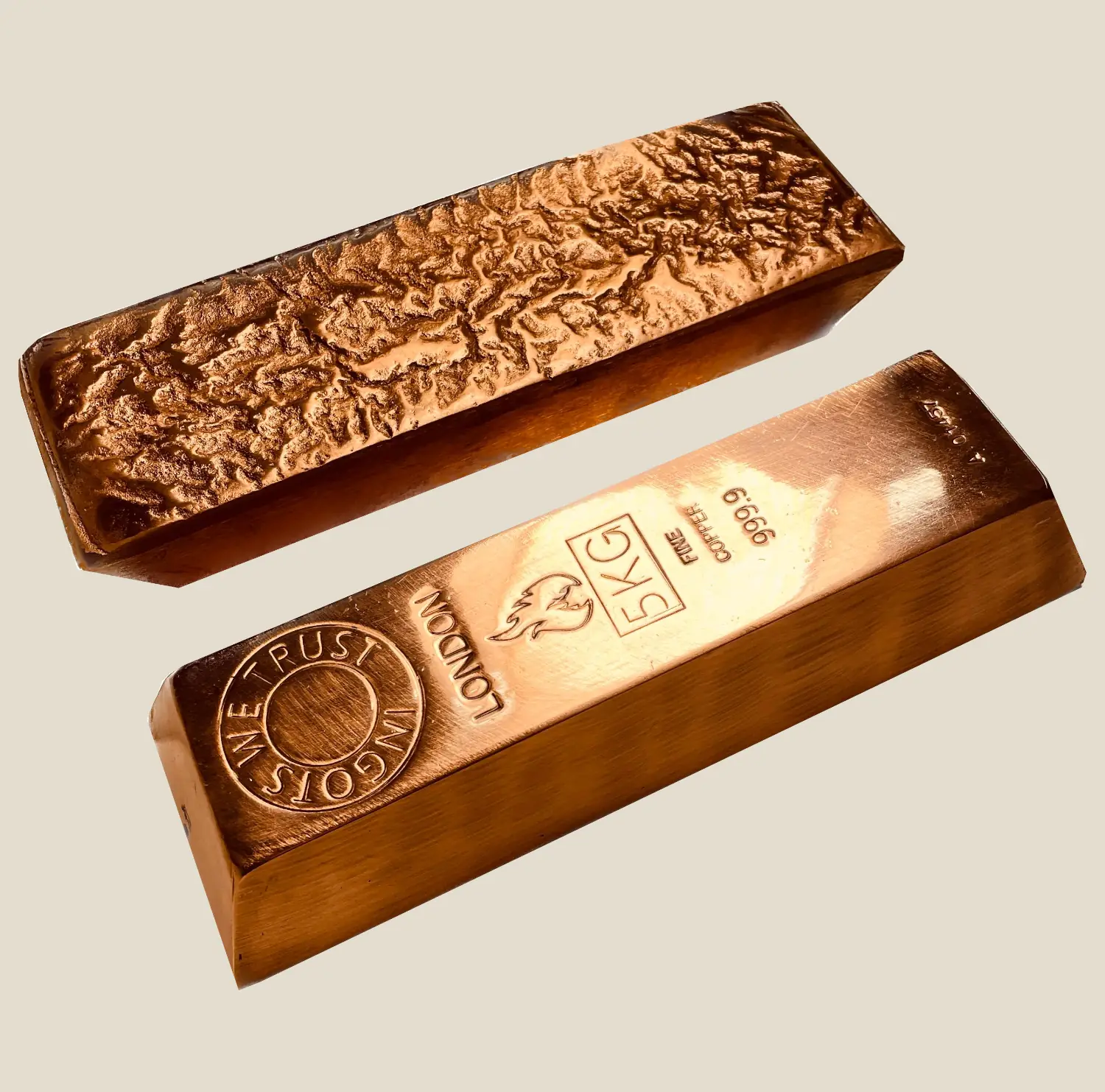
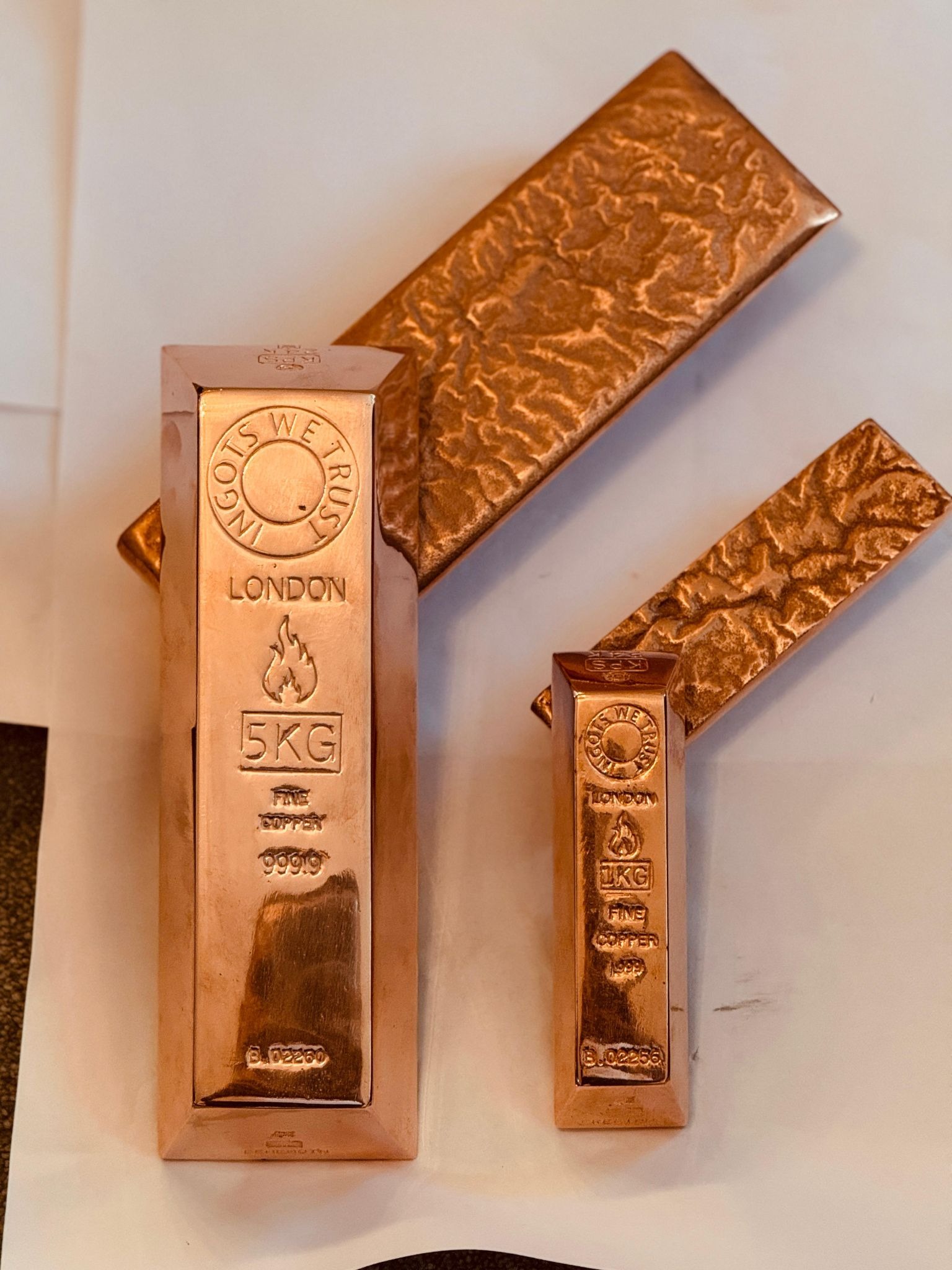
The most effective approach described by experienced UK physical copper investors is to build a core position in larger copper ingots The Behemoth format while maintaining flexibility through smaller pieces in The Precious range. The Behemoth captures copper price appreciation with minimal dilution from collector premiums; The Precious allows incremental additions at accessible price points and provides smaller, more liquid units for any near-term realisations. Together, they provide a copper holdings structure that is both strategically positioned for appreciation and practically manageable. Learn more about Investing in Copper Through The Behemoth Ingot Artbars
Frequently Asked Questions
How much have copper prices appreciated in recent years?
The price of copper per kg has risen from roughly £5.50–£6.50 in 2022 to the £7.50–£9.00 range in early 2026 an appreciation of approximately 25–40% over three to four years. The copper price per pound has tracked the same trajectory. This appreciation reflects structural supply-demand forces rather than speculative positioning, which is why most copper market analysts view the current level as fundamentally supported rather than artificially inflated.
Do all copper ingots benefit equally from copper price appreciation?
No only high-purity electrolytic copper ingots at 99.9% or above track the LME copper price per pound directly. Lower-grade copper ingots trade at discounts to spot that can fluctuate independently of the benchmark price, meaning their value appreciation during a rising copper price environment is less predictable and often less complete. For investors wanting clean exposure to copper price appreciation, documented electrolytic grade copper ingots are the only format that delivers the result the investment thesis implies.
Is copper price appreciation likely to continue through 2026 and beyond?
The structural drivers behind current copper prices constrained copper mining supply, growing electrification demand, and a refining chain that cannot scale quickly are expected to persist through the late 2020s based on the current pipeline of copper mining projects and the trajectory of EV and infrastructure deployment. Specific price forecasts are inherently uncertain, but the directional case for the price of copper per kg remaining elevated over the medium term is supported by fundamentals that have not materially changed.
How does The Behemoth compare to copper coins for capturing copper price appreciation?
The Behemoth outperforms copper coins for capturing raw copper price appreciation because its price is dominated by metal value with a minimal collector premium above spot. When copper prices rise, The Behemoth’s value rises in near-lockstep. Copper coins in The Precious range carry a collector premium above the copper price per pound that dilutes the direct relationship between metal price appreciation and total piece value. Both have roles, but for investors primarily focused on appreciation tied to copper prices, The Behemoth is the more efficient vehicle.
What should I check before buying copper ingots as an appreciation investment?
Three things matter most. First, confirm the purity grade is electrolytic standard 99.9% or above with documentation. Second, verify the asking price against the current price of copper per kg to confirm the premium above spot is within a reasonable range for the format. Third, buy from a seller with a verifiable trading history and transparent pricing policies who can be held accountable if documentation is found to be inaccurate. Ingots We Trust addresses all three by providing purity certification, live-price-referenced pricing, and a documented supplier chain for every copper for sale product in the range.


Leave a Comment