 Skip to content
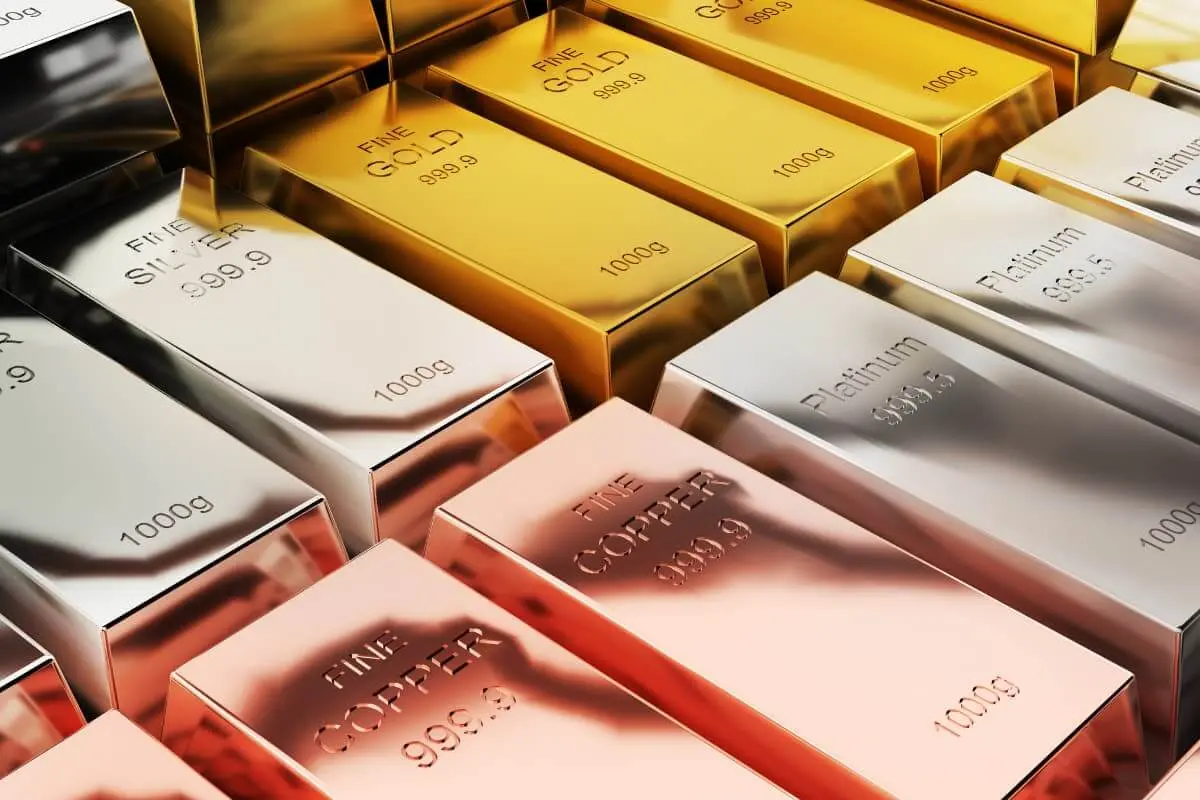
Copper for Sale: Why Choose High-Purity Copper Ingots
The copper for sale market in the UK has grown considerably over the past few years, and with that growth has come a wider range of product quality than many buyers realise. On one end of the spectrum, you have documented, electrolytic-grade copper ingots priced transparently against live copper prices. On the other, you have loosely described ‘copper pieces’ with vague purity language, unsupported weight claims, and pricing that looks reasonable until you check it against the current price of copper per kg and realise the math doesn’t work.
This post explains why high-purity copper ingots specifically not just any copper for sale are the right choice for UK buyers who want reliable value, transparent pricing, and a physical copper holding that will perform as expected when they eventually choose to sell.
Copper for Sale in the UK: What High Purity Actually Means
When a seller describes copper for sale as ‘high purity,’ that phrase can mean almost anything without a specific grade attached to it. True high-purity copper, as the term is used in investment and industrial contexts, means electrolytic grade 99.9% copper content or above, produced through the full electrolytic refining process from copper concentrate. That is the grade the LME copper price per pound is based on, and it is the grade that prices most consistently in the secondary market.
Below electrolytic grade, you have fire-refined copper at 99.0–99.5%, which prices at a discount to spot. Below that, secondary copper reclaimed by a coppersmith from mixed sources can range from 96% to above 99%, with the specific figure unknown without testing. These products can have legitimate uses, but pricing them against the LME copper price per pound benchmark as some sellers do misrepresents their value to buyers who don’t know the difference.
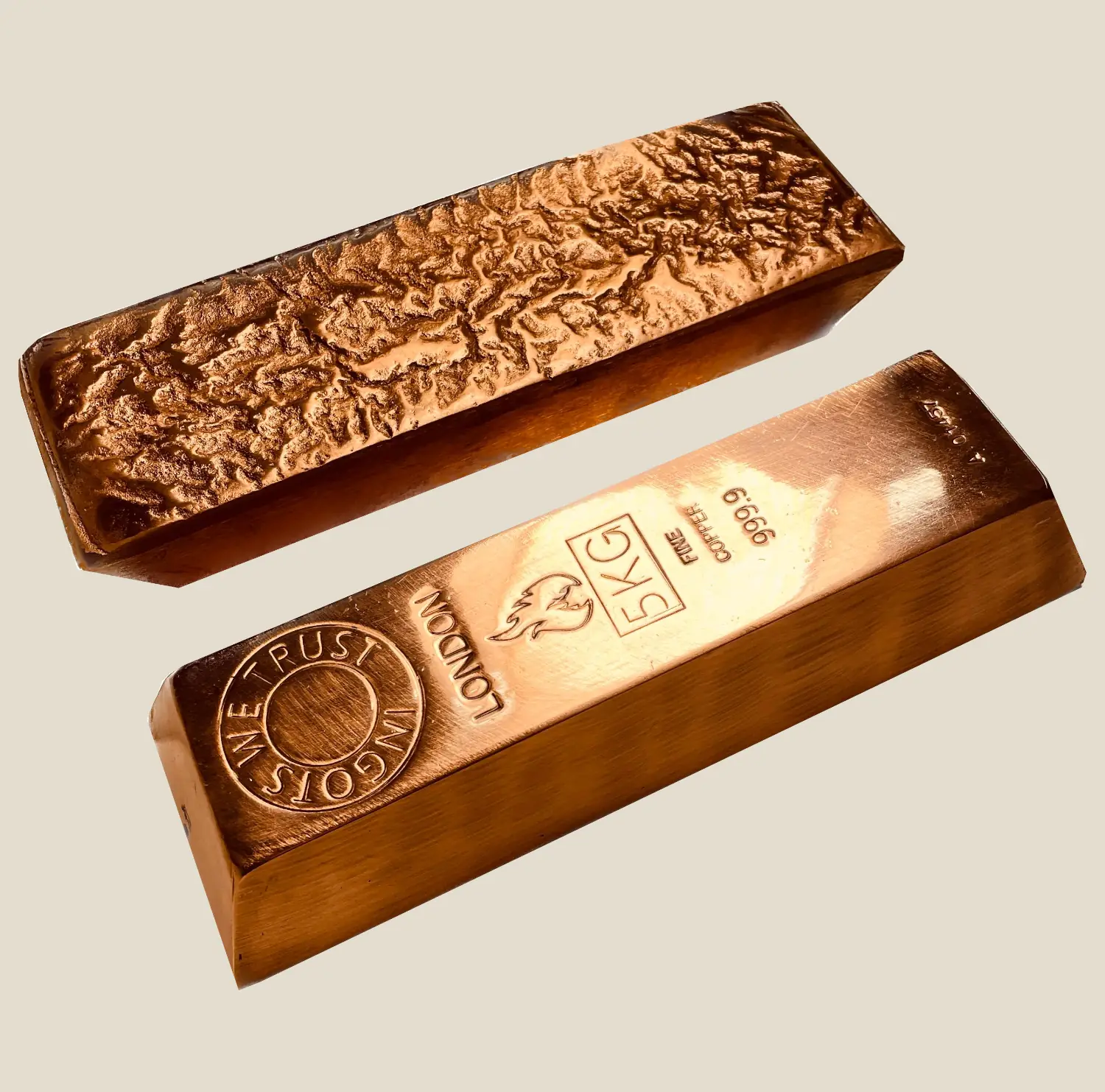
High-purity copper ingots from Ingots We Trust are electrolytic grade by specification not by implication. The grade is documented, verifiable, and reflected in transparent pricing that shows buyers exactly what they are paying for before committing to a purchase.
Copper Ingots and Purity: Why Grade Is a Resale Issue, Not Just a Quality Issue
Buyers sometimes treat purity as a quality preference rather than a commercial necessity. That framing leads to a specific and avoidable mistake: purchasing copper ingots whose stated purity is not verified, holding them as an investment, and discovering at the point of resale that informed buyers copper companies, industrial purchasers, or experienced collectors apply a discount that was never visible in the original purchase price.
Copper ingots and purity are inseparable in the resale market. Electrolytic grade copper ingots are priced by buyers with confidence against the copper price per pound. Unverified copper ingots are priced cautiously, with the buyer applying a risk discount that reflects their inability to confirm what they are actually buying. That discount is the direct commercial cost of the original seller’s failure to document purity and it is absorbed entirely by whoever holds the ingot at the point of sale.
Investing in copper through documented, high-purity copper ingots is not more expensive than the alternative when you account for this resale dynamic. It is consistently better value over the full investment cycle.
Copper Prices and Market Trends: How Purity Affects Your Exposure to Price Movements
Every investment in copper ingots is implicitly a bet on future copper prices. The more directly your ingots track the LME copper price per pound, the more completely you capture any price appreciation that occurs. Electrolytic grade copper ingots at 99.9% or above track the LME benchmark directly and predictably. Lower-grade copper ingots are priced in a secondary market where the relationship between buyer-offered prices and LME copper prices is less consistent.
In a rising copper price environment which the current structural supply-demand picture supports this difference compounds. Buyers of high-purity copper ingots capture the full LME copper price per pound appreciation. Buyers of lower-grade copper may find that the discount applied to their material widens as the market tightens, meaning they underperform relative to the copper prices they expected to track.
Copper companies and market analysts tracking copper mining supply constraints have consistently supported a bullish medium-term copper price outlook. For investors in physical copper, this outlook is only fully captured through high-purity, documented copper ingots that price transparently against the benchmark.
Investing in Copper: The Practical Case for High-Purity Ingots Over Alternative Copper Products
The UK copper for sale market offers several formats beyond high-purity ingots copper coins, copper plates, copper concentrate derivatives, decorative artisan pieces, and generic secondary copper in various forms. Each has its context, but none of them outperforms high-purity copper ingots as a straightforward investment vehicle for buyers focused on copper price appreciation with reliable resale value.
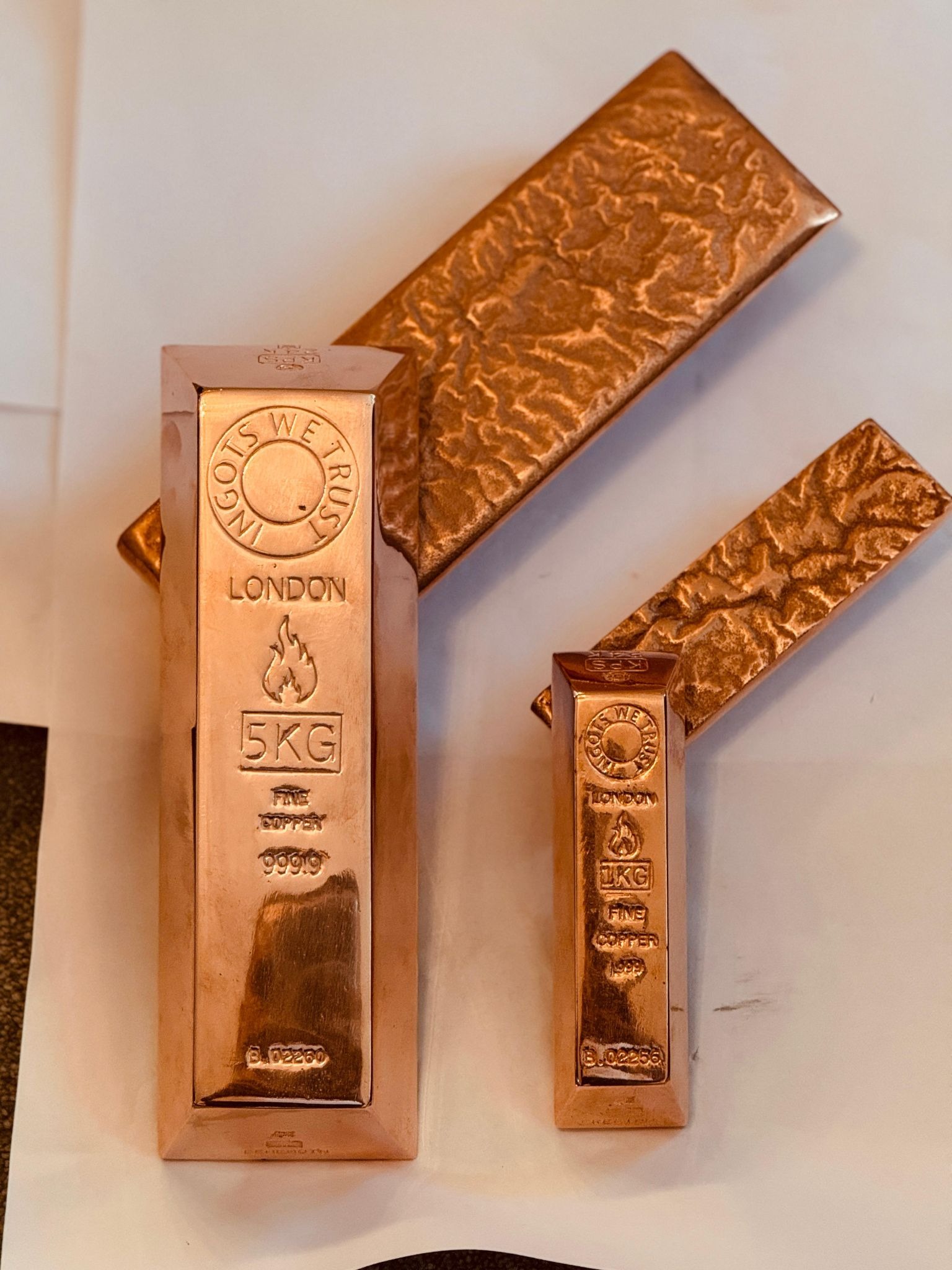
Copper coins carry a collector premium above the price of copper per kg that adds cost without adding copper value. Copper plates are practical and verifiable but carry fabrication premiums that reduce copper content per pound spent. Decorative copper pieces without purity documentation are collectibles, not investments. High-purity copper ingots whether smaller pieces in The Precious range or substantial blocks from The Behemoth range provide the cleanest combination of documented purity, near-spot pricing, and straightforward alignment between copper prices and portfolio value. Learn more about Current Copper Prices and Ingot Value Appreciation
Frequently Asked Questions
Why is documented purity important when buying copper for sale in the UK?
Documented purity is what allows you to price copper fairly against the copper price per pound and what protects your resale value when you eventually sell. Without documentation, buyers at the point of resale apply risk discounts that reflect their uncertainty about what they are buying. Documented electrolytic grade copper 99.9% or above prices consistently against the LME benchmark and eliminates the resale uncertainty that undocumented copper carries.
How does high-purity copper for sale differ from secondary or scrap copper?
High-purity copper for sale at electrolytic grade has been refined through a controlled electrolytic process from copper concentrate to 99.9% or above copper content, with a documented purity trail. Secondary or scrap copper reclaimed from mixed sources by a coppersmith or metal recycler may contain higher levels of impurities and has no standardised purity documentation. The two product categories carry different values and should not be priced against the same copper price per pound benchmark.
Does buying high-purity copper ingots cost more than lower-grade copper for sale?
The upfront price of high-purity copper ingots may be modestly higher than loosely documented copper products at the same weight reflecting the cost of certified electrolytic grade production. However, over the full investment cycle, high-purity copper ingots consistently outperform because they track copper prices accurately, command full LME-benchmark pricing at resale, and carry no purity risk discount. The apparent saving in a lower-grade product is typically recovered and then some by the buyer at the point of resale.
How do copper mining trends affect the availability of high-purity copper for sale?
High-purity copper for sale depends on a supply of refined electrolytic copper that traces back through the copper mining and concentrate processing chain. When copper mining faces supply constraints and copper companies report reduced output, the availability of electrolytic cathode copper the feedstock for high-purity copper ingots tightens. This can affect delivery lead times from reputable sellers and puts upward pressure on the price of copper per kg for verified, documented products.
Are The Precious and The Behemoth ranges both high-purity copper for sale?
Yes. Both ranges are produced from electrolytic copper at 99.9% purity and are accompanied by purity documentation with every purchase. The difference is format and scale: The Precious covers smaller, more accessible pieces suitable for incremental investing in copper; The Behemoth covers large-format artbar ingots for buyers who want maximum copper value per pound spent. Purity and documentation standards are identical across both ranges.



Leave a Comment