 Skip to content

Copper Mining Essentials: Sourcing for Pure Ingots
The quality of a copper ingot starts long before the casting process. It starts at the source with how the copper was mined, processed, and refined before it ever reached the hands of whoever poured it into its final form. For anyone buying copper ingots with the expectation that purity claims are accurate, understanding the basics of copper mining and concentrate sourcing is not just background knowledge. It is the foundation of confident purchasing.
This post traces the journey from copper mining through concentrate processing to the finished, high-purity copper ingots that Ingots We Trust supplies. Knowing this chain helps buyers ask better questions, spot sourcing red flags, and appreciate why properly documented copper for sale costs what it does.
Copper Mining Basics: Where the Journey to Pure Copper Ingots Begins
Copper mining is the extraction of copper ore from open-pit or underground mines, primarily located in Chile, Peru, the DRC, Australia, and the United States. The ore extracted from these copper mining operations contains relatively low copper concentrations typically 0.5% to 2% copper by weight which is why vast quantities of rock must be processed to produce even a modest tonnage of refined copper.
After extraction, ore is crushed and ground before undergoing flotation a process that separates copper minerals from waste rock and produces copper concentrate. Copper concentrate typically contains 25–35% copper alongside iron sulphides and other minerals. It is this concentrate that copper companies sell to smelters and refineries downstream.
For the copper ingots you ultimately hold, the quality of the copper mining operation and the consistency of its concentrate production are the starting points of the purity chain. Well-run copper mining operations with tight process controls produce more consistent concentrate which feeds into more consistent refined copper which produces copper ingots whose purity is predictable and documentable. The pedigree matters, even if buyers rarely see it directly.
Copper Concentrate to Refined Copper: The Refining Steps That Set Purity
Copper concentrate does not become a copper ingot in a single step. It goes through smelting where the concentrate is heated to produce blister copper at roughly 98–99% purity followed by fire refining to remove remaining sulphur and oxygen, and finally electrolytic refining, where copper anodes are dissolved in acid and redeposited as high-purity cathodes at 99.99% purity.
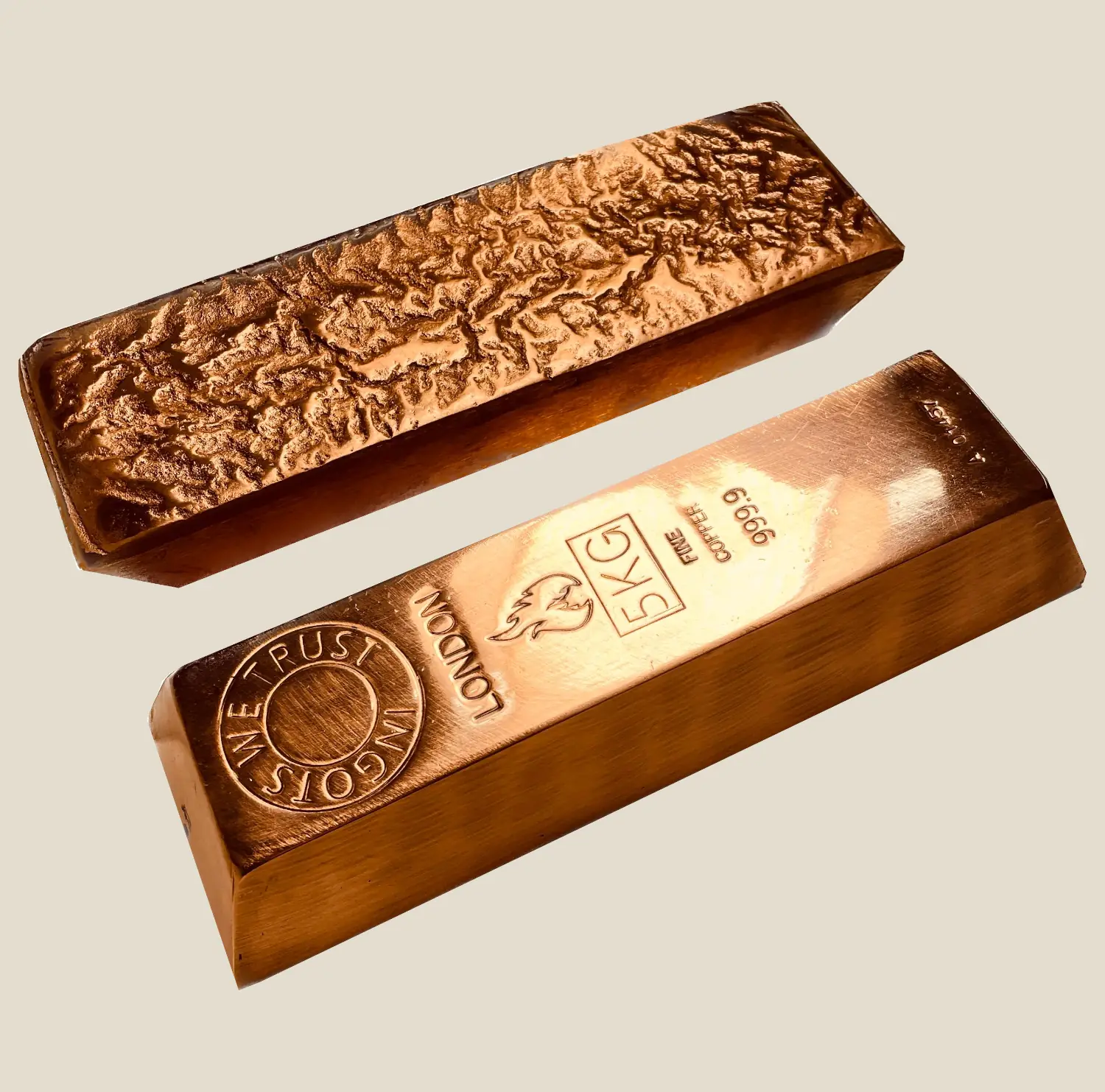
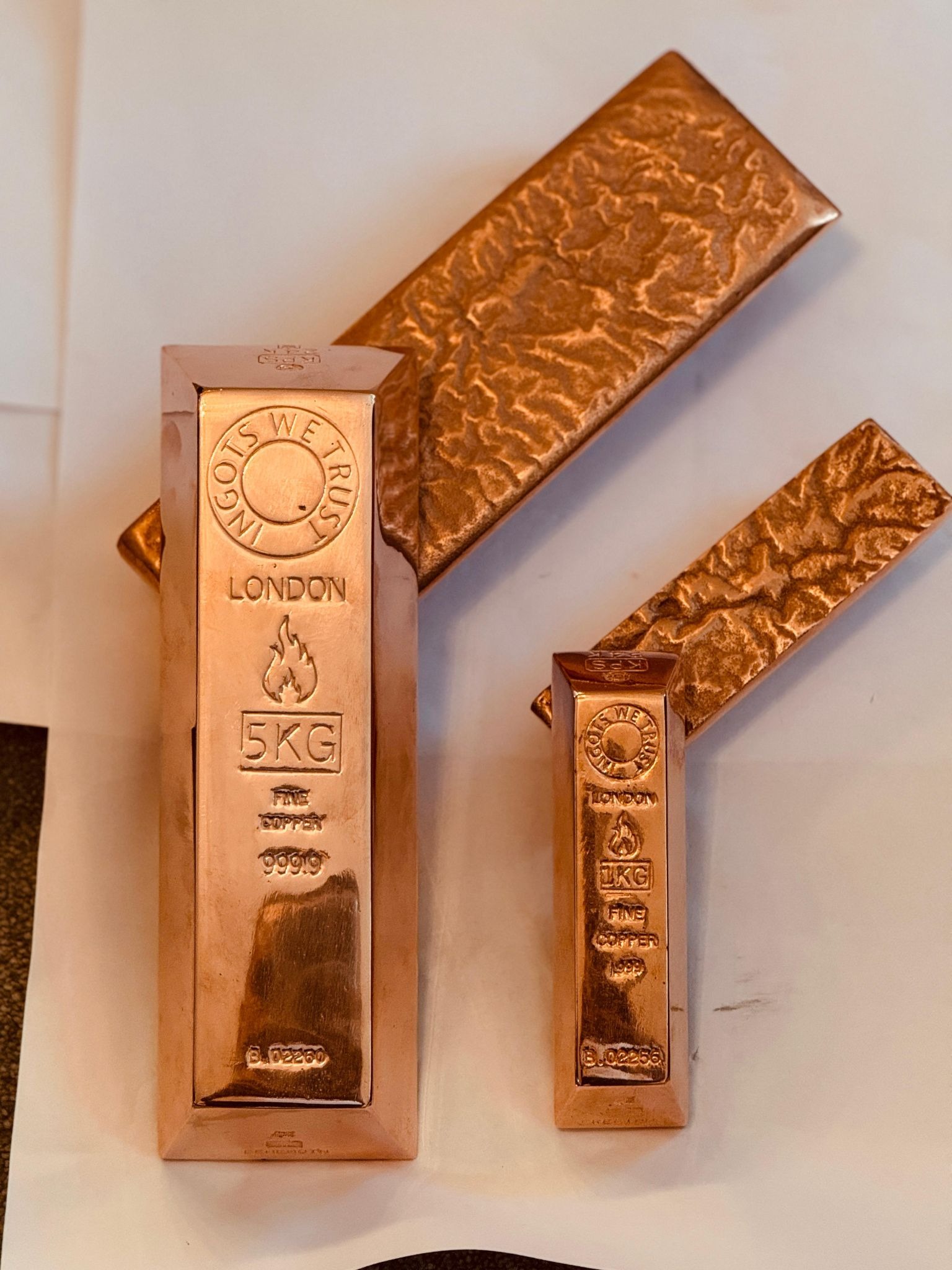
Those electrolytic cathodes are the feedstock for the copper ingots, copper plates, and copper coins that reach collectors and investors. A copper ingot cast from electrolytic cathode copper can be documented as 99.9% or above with confidence. A copper ingot cast from fire-refined copper sits lower around 99.0–99.5% and one cast from unverified secondary copper reclaimed by a coppersmith from mixed scrap could be almost anything.
This is why the sourcing question matters so much. UK copper investment forums including r/CopperStackers and r/UKInvesting consistently highlight sourcing transparency as one of the primary differentiators between reputable copper for sale sellers and those whose purity claims cannot be trusted. Ingots We Trust uses electrolytic cathode copper throughout, which is reflected in every purity document provided with a purchase.
Copper Companies and Their Role in Ingot Purity Assurance
The copper companies that operate major copper mining and refining operations are the original source of the electrolytic copper that eventually becomes high-purity ingots. Their quality control processes assay testing at each production stage, purity certification for cathode output, and chain-of-custody documentation create the verifiable purity trail that ends up in the documentation a buyer receives.
When you buy copper ingots with documented purity from Ingots We Trust, that documentation traces back through the supply chain to refined copper produced under the quality management systems of established copper companies. That is a fundamentally different provenance from secondary copper sourced from mixed scrap without a traceable refining history.
For buyers investing in copper through physical ingots, this sourcing distinction is particularly important. The copper price per pound that you use to value your holdings assumes LME Grade A purity. If your ingots are not LME-grade, they do not warrant LME-grade pricing and finding that out at the point of resale is a costly lesson.
Copper Prices and Market Trends: How Mining Supply Affects What You Pay
The copper mining supply chain is the most reliable leading indicator of where copper prices are heading. When copper companies report production shortfalls, concentrate shipment volumes drop, refinery throughput reduces, and refined copper availability tightens usually resulting in a higher price of copper per kg at the retail end within weeks to months. When copper mining output is strong and copper companies are running ahead of guidance, refined copper supply increases and some of the price premium compresses.
For UK buyers of physical copper ingots, staying loosely informed about copper mining news gives a useful context for timing purchases. Buying when copper prices have temporarily softened on strong mining output news, rather than reacting to copper price surges after they have already occurred, is the kind of discipline that experienced UK copper stackers describe as the most consistent way to improve average entry prices over time. Learn more about Copper Ingots for Sale – Introducing The Precious Series
Frequently Asked Questions
Why does copper mining quality affect the purity of finished copper ingots?
Copper mining quality determines the composition of the copper concentrate produced, which sets the starting point for all subsequent refining. Higher-grade, more consistently controlled copper concentrate is easier and cheaper to refine to electrolytic grade. Poorly controlled or mixed-source concentrate introduces impurities that require more processing to remove and if not fully processed, those impurities remain in the finished copper ingots, reducing purity below the LME Grade A benchmark.
What is copper concentrate and why does it matter to buyers of copper ingots?
Copper concentrate is the partially processed output of copper mining operations typically 25–35% copper by weight that is smelted and refined into finished copper. Buyers of copper ingots don’t interact with copper concentrate directly, but its quality determines how reliably the finished ingot reaches 99.9% purity. Ingots produced from verified electrolytic copper sourced from established copper companies carry a traceable purity chain; those produced from unverified or mixed sources do not.
How do copper companies ensure the purity of the copper they supply for ingot production?
Major copper companies apply quality management systems at each stage of the production process assay testing of copper concentrate, in-process purity checks at the smelter, and certification of electrolytic cathode output against LME Grade A standards. These systems produce documented purity records that travel with the copper through the supply chain. When Ingots We Trust uses cathode copper from established copper companies as feedstock, those quality records underpin the purity documentation provided to buyers.
Does the copper price per pound I pay reflect the purity of the ingot I’m buying?
It should and with reputable sellers it does. The LME copper price per pound is specifically based on 99.99% electrolytic copper, so any copper ingot priced at or near spot should be of that grade or documented with an explanation of any purity discount applied. If a seller quotes copper prices without disclosing the purity grade of the specific product, that opacity is a warning sign. Always confirm purity before comparing prices against the copper price per pound benchmark.
How does copper mining output affect the long-term value of my copper ingots?
Copper mining output determines the future supply of refined copper, which is the primary supply-side input to copper prices. When copper mining faces structural constraints declining ore grades, underinvestment in new capacity, regulatory restrictions the long-term supply outlook tightens and the price of copper per kg is supported at elevated levels. For holders of high-purity copper ingots, this translates to sustained or improving intrinsic value over the medium to long term, provided the ingots are properly graded and documented from the outset.



Leave a Comment