
Copper Mining Insights for Investing in Copper Companies
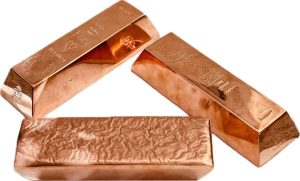
Most people who start looking at copper as an investment focus almost entirely on copper prices, which is understandable but incomplete. The companies that extract, process, and refine copper are the ones that actually determine how much of the metal reaches the market, and their operational realities shape the copper price per pound long before any trading platform reflects it.
Whether you’re building a position in physical copper ingots, evaluating copper for sale from specialist dealers, or considering shares in copper mining operations directly, understanding how the supply side works gives you a meaningful edge. This page covers the practical insights that matter most for UK-based investors approaching this market for the first time or looking to sharpen what they already know.
Copper Mining and Copper Companies: Understanding Who Controls Supply
Copper mining is dominated by a relatively small number of large copper companies operating massive open-pit and underground mines, primarily in Chile, Peru, the DRC, and Australia. These operations produce the bulk of the world’s copper concentrate, the partially refined ore that feeds smelters and refineries downstream. Their output decisions, capital expenditure cycles, and operational disruptions are the primary drivers of global copper supply.
What makes copper companies particularly interesting from an investment perspective is that their profit margins are highly sensitive to copper prices. A relatively modest rise in the price of copper per kg can translate into a disproportionately large increase in mining company earnings, a leverage effect that attracts speculative interest but also amplifies downside risk when copper prices fall. Threads on r/UKInvesting and r/Commodities regularly discuss this dynamic, with experienced investors emphasising that copper company shares work best as a complement to physical copper holdings rather than a replacement for them.
For buyers focused on physical copper ingots and copper for sale, the key takeaway from monitoring copper companies is timing. Production guidance updates from major miners give early signals on whether refined copper supply is likely to tighten or expand, information that feeds directly into where copper prices are headed over the following months.
Copper Prices and Market Trends: What Mining Data Tells You Before the Spot Price Does
Spot copper prices reflect what the market knows right now. Mining data tells you what the market is about to find out. This lead-lag relationship between copper mining output figures and copper price per pound movements is something active traders and long-term physical copper investors both track, just with different applications in mind.
The most useful data points to watch are quarterly production reports from the top copper companies, copper concentrate shipment volumes from major exporting ports, and refinery utilisation rates at the processing plants that convert concentrate into refined copper. When all three are trending down simultaneously, the copper price per pound has historically responded with upward pressure within one to two quarters.
UK precious metals communities, including active discussion threads on r/CopperStackers and r/UKPersonalFinance, have highlighted this approach as one of the more reliable ways to identify favourable entry points for physical copper purchases. Buying copper ingots or copper plates when mining data suggests a supply squeeze is building before the spot price fully reflects it is the closest thing to an information edge that retail investors realistically have access to.
Investing in Copper: Balancing Mining Stocks with Physical Copper Ingots
Investing in copper through a combination of physical ingots and mining company exposure is a strategy that comes up repeatedly in UK investor communities and for good reason. The two approaches behave differently enough that combining them reduces volatility without sacrificing the underlying copper price exposure you’re seeking.
Physical copper ingots, particularly high-purity pieces from the Behemoth range, track the price of copper per kg directly and carry no corporate or management risk. They don’t go bust, don’t miss production targets, and don’t suffer from cost overruns. What they lack is the upside leverage that copper company shares provide in a bull market. A copper mining stock might double in value when copper prices rise 30%, whereas a copper ingot simply gains 30%.
The balance between these two approaches depends on your risk appetite and investment horizon. Collectors who also invest will often hold physical copper ingots and smaller copper coins in The Precious range as their stable core, with a modest allocation to copper company shares for growth exposure. Ingots We Trust supplies the physical side of that equation, high-purity copper for sale with documented grades and pricing tied to live copper prices.
Copper Concentrate and Copper Ingots: How the Refining Chain Affects What You Pay
The price of copper per kg that UK buyers pay for finished copper ingots or copper plates is shaped by decisions made much earlier in the supply chain at the copper concentrate stage. When copper mining companies produce concentrate, it is sold to smelters who refine it into blister copper, then to electrolytic refineries where it becomes the high-purity cathode copper that ultimately reaches collectors and investors.
Each step in that chain adds cost and time. Disruptions at any stage, whether a smelter shutdown, a transport bottleneck, or a copper mining strike in a key producing country, ripple forward and affect how much refined copper is available and at what price. Understanding this means that when you see copper prices climbing on the spot market, you’re often seeing the delayed consequence of a supply disruption that occurred weeks or months earlier.
A coppersmith working with refined feedstock for artisan copper production is insulated from some of this volatility by working with already-refined material. But investors buying copper ingots or copper plates directly from the market are fully exposed to these chain dynamics, which is why watching the upstream copper concentrate and copper mining data remains valuable even for buyers focused entirely on physical finished products.
Copper for Sale in Physical Form: Why Mining Trends Affect Collector Pricing Too
It might seem like copper for sale in collector formats copper coins, hand-poured ingots, and copper plates, is somehow disconnected from the industrial supply chain that copper mining companies dominate. It isn’t. The price floor for any physical copper product is the current price of copper per kg for refined metal, and that floor moves entirely in response to supply and demand dynamics that originate in mining operations thousands of miles away.
When copper companies report strong output, refined copper supply increases and prices soften, which can be a good buying opportunity for collectors accumulating The Precious or adding bulk copper through The Behemoth range. When copper mining faces headwinds and copper prices firm up, the cost basis for every piece of copper for sale rises accordingly, and buyers who moved early benefit from the uplift.
The practical implication is simple: paying attention to copper mining trends is not just for institutional investors or commodities traders. It’s relevant to anyone who buys or sells physical copper, at any scale. The more you understand about what drives the copper price per pound at the source, the better positioned you are to make smart decisions about when and what to buy in the collector and investment copper market. Learn more about KPS – Coppersmith Guide to Copper Concentrate Purity Testing
Frequently Asked Questions
How does copper mining output directly affect copper prices in the UK market?
Copper mining output feeds into the global supply of copper concentrate, which is then refined into the finished copper that the LME prices. When major copper companies report lower production due to ore grade decline, equipment failures, labour disputes, or environmental restrictions, the total supply of refined copper tightens over the following months. That tightening pushes the price of copper per kg upward, affecting the cost of physical copper ingots, copper plates, and everything else priced against spot.
Are copper company shares a better investment than physical copper ingots?
Neither is categorically better they serve different risk and return profiles. Copper company shares offer leveraged exposure to copper prices and can significantly outperform physical copper in bull markets, but they carry corporate risk, management risk, and operational risk that physical copper ingots do not. For investors who want pure, unlevered exposure to copper prices, physical copper for sale in ingot form is more straightforward. A blended approach physical copper as the stable core and a smaller allocation to copper mining shares, is the most common strategy among experienced UK copper investors.
What copper mining metrics should I watch to time physical copper purchases better?
The most useful metrics are quarterly production guidance from the top copper companies, copper concentrate treatment and refining charge trends (lower charges indicate tighter concentrate supply), and LME copper warehouse stock levels. When production guidance is being revised down, treatment charges are falling, and LME stocks are declining simultaneously, it typically signals that refined copper supply is tightening, which has historically been followed by copper price per pound increases within one to two quarters.
Do copper prices affect the Precious and the Behemoth collector ranges differently?
Yes, in nuanced ways. The Behemoth large-format copper ingots, priced close to the price of copper per kg tracks spot copper prices very directly. When copper prices move, The Behemoth’s value moves in near lockstep. The Precious smaller copper coins and artisan pieces carry a collector premium above spot, which means that rising copper prices increase the floor value but don’t necessarily increase the total premium buyers are willing to pay. In a strong copper price environment, The Behemoth tends to show the cleanest gains proportional to the copper price move.
Why does the copper price per pound differ from what I’m quoted for copper for sale in the UK?
Several factors sit between the LME copper price per pound and the retail price of copper for sale in the UK. Currency conversion from US dollars to pounds sterling is the first variable. On top of that, sellers add fabrication costs (casting, rolling, finishing), packaging, certification, and their own operating margin. For copper ingots priced close to spot, the premium above the raw copper price per pound is typically 5–15% for reputable sellers. Copper coins and smaller collector pieces from The Precious range carry higher premiums reflecting design and mintage. Understanding these layers lets you assess whether a quoted price is reasonable or inflated.