 Skip to content

The Copper Company Revolution: How Artisan Producers Are Disrupting Traditional Copper Markets
For decades, the copper industry operated in clear segments. Large copper companies mined ore, smelters processed copper concentrate into refined metal, manufacturers bought bulk material, and everyone traded based on London Metal Exchange pricing. Retail buyers seeking physical copper had few options beyond industrial suppliers offering generic bars with minimal documentation. Then something shifted. Small artisan producers started treating copper like silver or gold—creating branded, documented, collectible pieces that bypassed traditional distribution entirely. This copper company revolution is changing how people think about investing in copper and what copper products can actually be.
The Copper Company Landscape: Traditional vs. Artisan Production Models
Traditional copper companies operate at a massive scale. They move tons of copper concentrate from mines to refineries, then sell refined metal to manufacturers in bulk contracts. The business model depends on volume and efficiency. Individual consumers barely register as customers. If you wanted physical copper, you bought industrial surplus or generic bars from dealers who sourced wherever they could find cheap material.
Artisan copper producers work differently. They’re small operations—sometimes one person, sometimes small teams—who source refined copper, melt it themselves, and pour individual pieces with attention to design and documentation. They sell directly to collectors through their websites, social media, and metal-stacking forums. The model is closer to craft breweries than industrial mining: small batches, distinct branding, and customers who value the maker’s identity.
On Reddit’s r/Silverbugs and r/Copper, collectors discuss specific artisan makers by name—Monarch Precious Metals, Atlantis Mint, and smaller independent pourers. These aren’t faceless copper companies. They’re known entities with reputations built through consistent quality and community engagement. That relationship fundamentally changes the transaction from a commodity purchase to something closer to art collecting.
Investing In Copper: How Artisan Producers Create New Value Propositions
When you invest through traditional channels—futures, mining stocks, ETFs—you’re betting on copper prices. The metal itself is abstracted away. Artisan producers offer something different: direct ownership of documented, designed copper products that capture both commodity value and collectible premium.
This matters more than it might seem. Traditional investing in copper through financial instruments means you’re always paying someone—management fees, trading costs, storage fees for backed products. Physical copper from artisan producers has upfront premiums but zero ongoing costs beyond storage you control yourself. Over long holding periods, that cost structure can work in your favor.
More importantly, artisan pieces can appreciate independently of spot copper prices per kg. A limited-edition pour from a respected maker develops secondary-market value based on scarcity and collector demand. Generic industrial copper never does this—it trades at melt value regardless of age. Reddit’s r/Pmsforsale provides constant evidence of this divergence, with quality artisan copper ingots selling at sustained premiums years after production, while generic bars struggle to move above spot.
Copper Products: The Design Innovation That Traditional Companies Ignored
Walk through traditional copper company catalogs, and you’ll find uninspiring products. Standard bars stamped with minimal information, designed purely for industrial remelting. They work fine for manufacturers but offer collectors and retail investors nothing beyond raw metal storage.
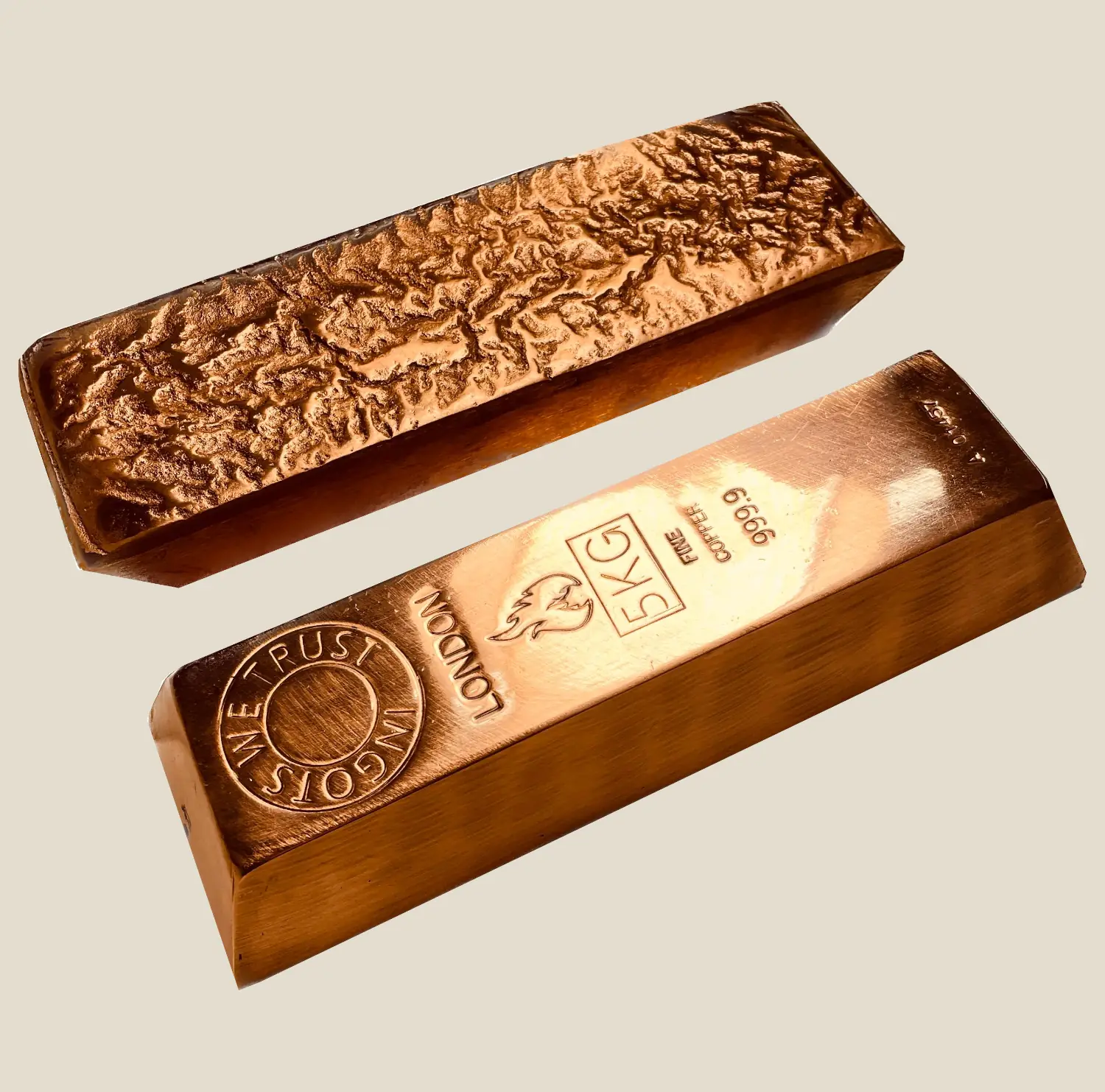
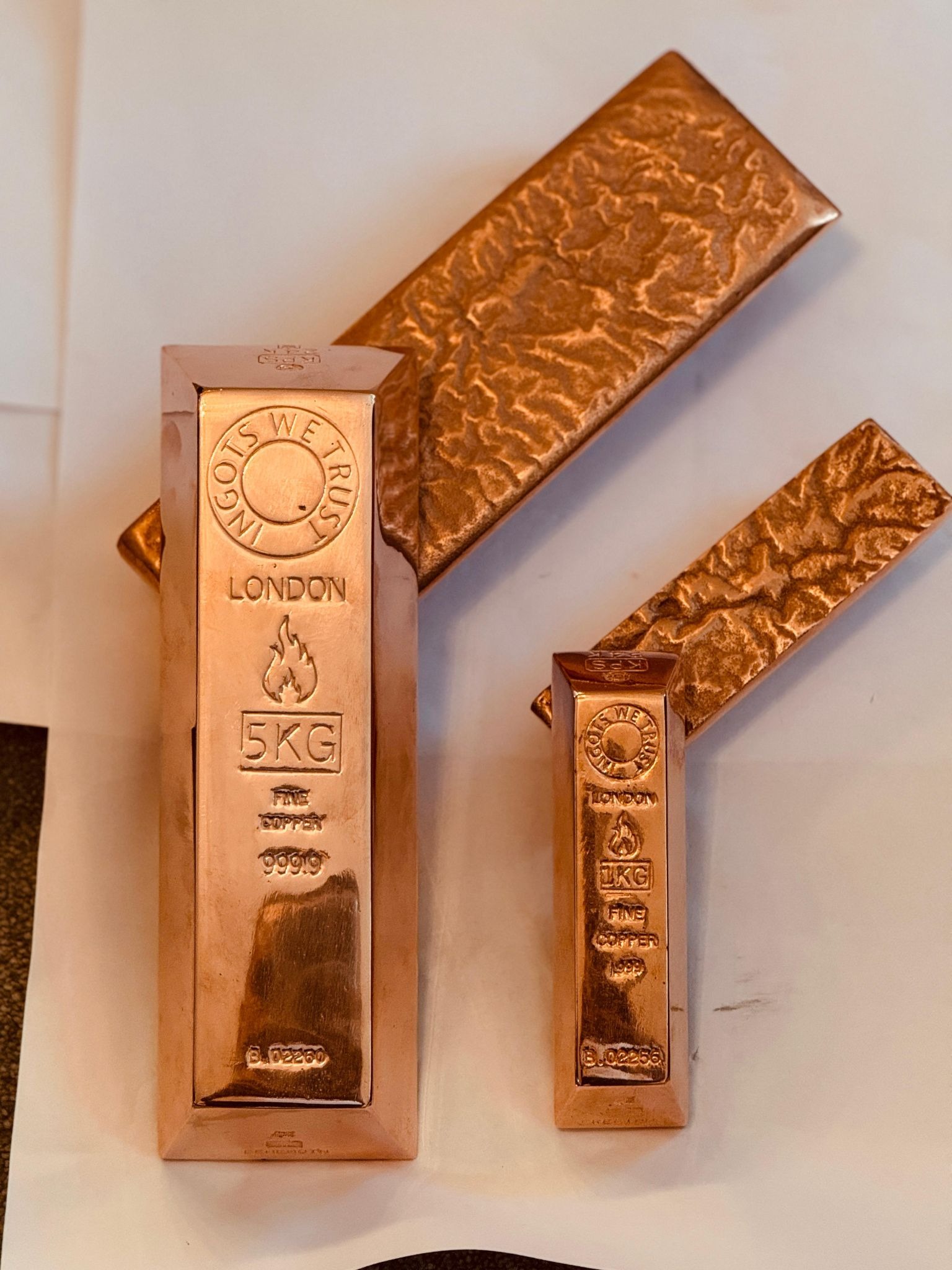
Artisan producers saw an opportunity. They created copper ingots with thoughtful designs referencing historic copper mining regions, traditional coppersmith techniques, or original artwork. They added detailed purity documentation, batch numbers, and maker marks. Some produced copper coins and rounds similar to silver bullion pieces. Others made copper plates as collectible art objects rather than industrial stock.
The innovation wasn’t just aesthetic. By treating copper as a premium product worthy of craft attention, artisan makers created price tiers that traditional copper companies couldn’t access. They command 30-60% premiums over spot copper price per pound, not through market manipulation, but by offering attributes that collectors actually value: beauty, traceability, limited production, and maker reputation.
Users on r/Metalworking and craft communities appreciate this shift. One thread discussed how artisan copper products brought craft standards back to a metal that had become purely industrial. The comparison to traditional coppersmith work resonated—these modern makers are reviving attention to quality that mass production abandoned.
Copper Prices and Market Disruption: Why Traditional Distribution Struggles to Compete
Here’s what makes this disruptive rather than just niche. Artisan copper producers aren’t trying to compete with industrial copper companies on volume. They’re creating a parallel market where different rules apply. When copper prices spike, both segments benefit. When prices fall, artisan pieces with strong collector followings hold value better than generic material.
Traditional distribution can’t easily respond. Large copper companies are structured for volume sales to industrial buyers. Retooling for small-batch, design-focused production doesn’t fit their cost structure or expertise. Meanwhile, artisan producers keep improving—better designs, stronger community engagement, more sophisticated marketing. The gap widens rather than closes.
This shows up in retail channels. Dealers who stock both generic bars and artisan copper products report that artisan pieces turn over faster and command better margins. Customers who start with cheap generic bars often graduate to artisan pieces once they understand the quality difference. The traditional product increasingly looks like a budget option rather than the default choice.
FAQ: Understanding the Artisan Copper Revolution
Q: Are artisan copper companies actually disrupting traditional markets or just serving a niche?
Currently niche, but growing. Artisan producers aren’t replacing industrial copper supply chains—they’re creating a new retail segment focused on collecting and investing in copper as a premium product. As this segment grows, it’s pulling customers away from generic industrial surplus.
Q: How do copper prices affect artisan producers differently from traditional copper companies?
Traditional companies focus on volume margins tied closely to the copper price per kg. Artisan producers depend more on brand value and collector premiums, which can partially insulate them from spot price volatility. Both benefit from rising copper prices, but artisan makers are less vulnerable to price drops.
Q: Should I pay artisan premiums when investing in copper long-term?
If you value ownership satisfaction, collecting potential, and downside protection from collector demand, yes. Artisan copper ingots from respected makers often hold their premiums better during price corrections. For pure commodity exposure, lower-premium industrial products make more sense.
Q: What makes certain artisan copper products more valuable than others?
Maker reputation, design quality, production numbers, documentation, and community recognition all matter. Limited edition pieces from established makers appreciate better than unlimited generic pours. Check sales history on r/Pmsforsale to gauge which makers command sustained premiums.
Q: Will traditional copper companies eventually compete in the artisan space?
Unlikely. Large industrial operations lack the flexibility and craft focus that artisan production requires. More likely is that successful artisan makers grow into mid-size specialty copper companies serving the collector market, while traditional players continue to focus on industrial supply.



Leave a Comment