 Skip to content

Copper Price Per Pound vs. Artisan Value: Why The Precious and The Behemoth Outperform Commodity Copper
Most people tracking copper price per pound assume that physical copper moves in lockstep with London Metal Exchange quotes. Buy at £4, sell at £5, pocket the difference minus a small premium. That’s the theory. Reality is messier and more interesting. Physical copper products, especially those in The Precious and The Behemoth categories, often outperform pure commodity prices because they capture value beyond their metal content. Understanding why helps explain how collectors and investors actually make money holding copper over time.
Copper Price Per Pound: Why Spot Pricing Doesn’t Tell the Complete Story
Check any financial terminal, and you’ll find copper prices updated in real-time. That number represents industrial-grade copper traded in enormous volumes between major buyers and sellers. Copper mining operations must price their output, and manufacturers must budget production costs. But walk into a specialty dealer or browse collector marketplaces, and you’ll see physical pieces priced well above that baseline.
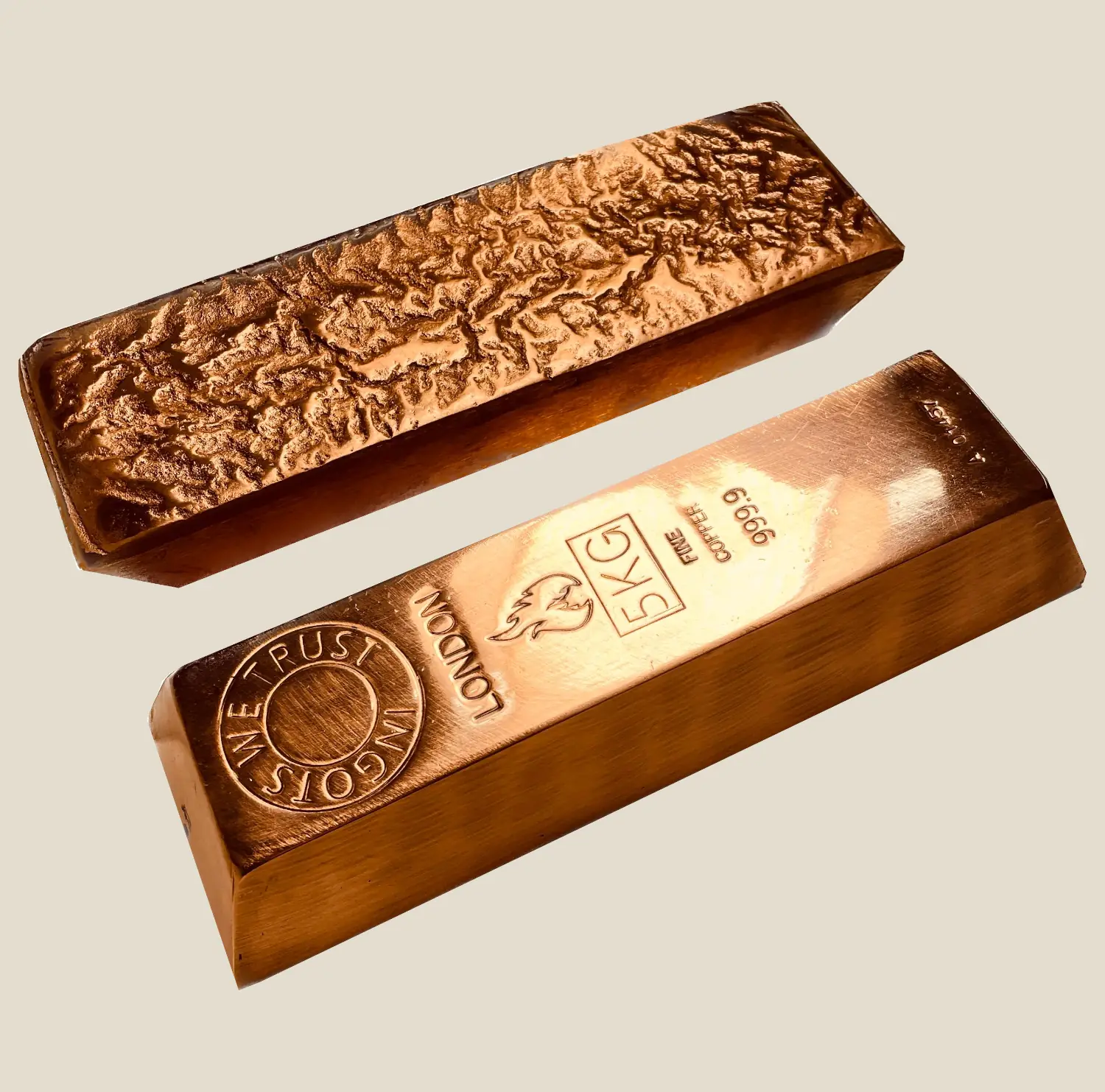
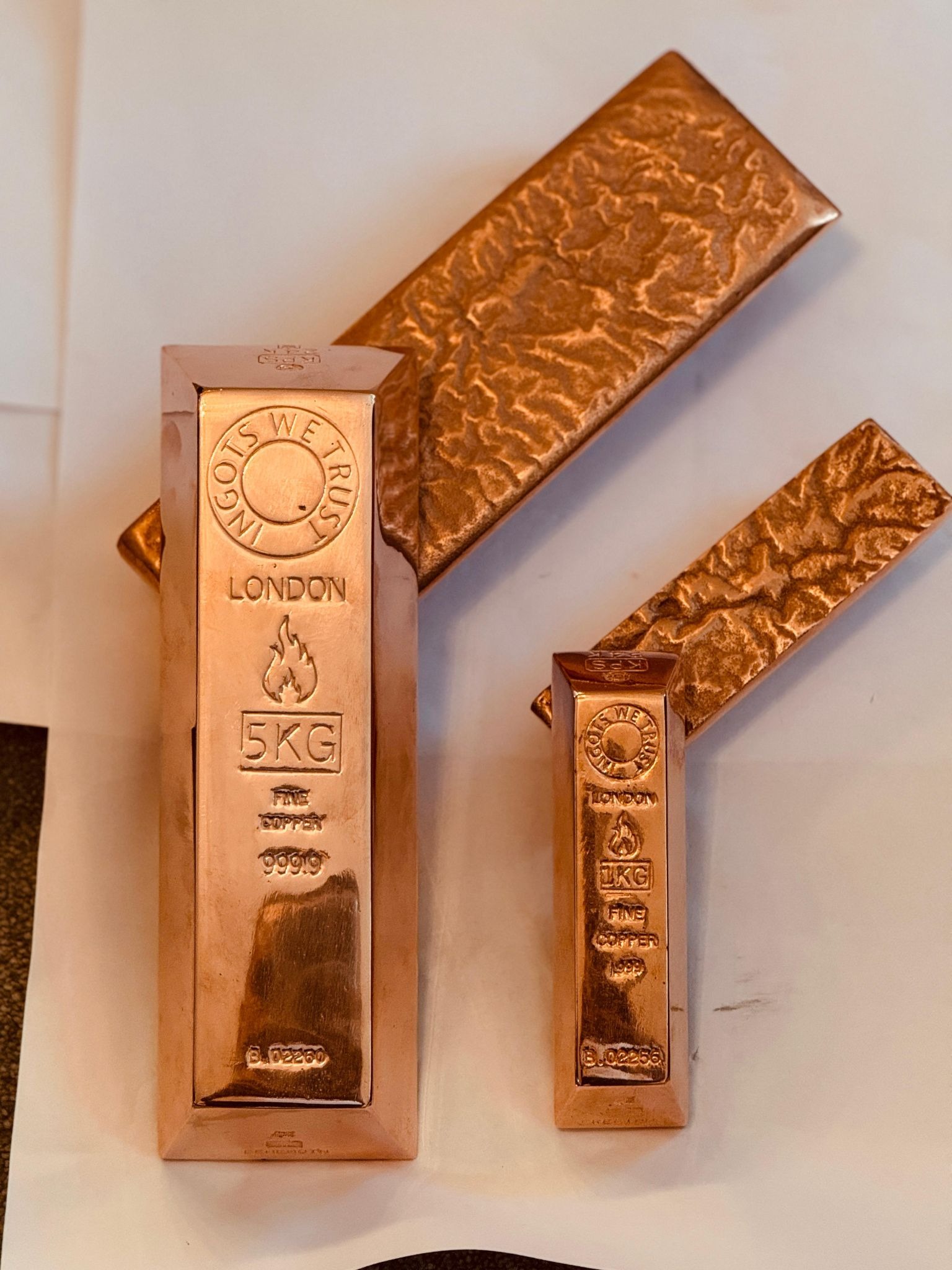
The disconnect isn’t manipulation. Physical copper products carry premiums for fabrication, design, certification, and scarcity. The Behemoth—large utility bars focused purely on metal weight—keeps premiums relatively low but still trades above spot. The Precious—smaller artisan pieces with design elements and limited production—commands substantially higher premiums that can persist or grow regardless of base metal price movements.
On Reddit’s r/Silverbugs, experienced stackers constantly explain this dynamic to newcomers. One detailed post compared generic copper bars that tracked spot closely to limited-edition pours from respected makers. Over a three-year period, when copper prices rose and fell, the artisan pieces held their dollar value better, protecting holders during price drops while still participating in gains when prices rose.
Investing In Copper Through The Precious: When Collectible Premiums Provide Downside Protection
If the copper price per pound drops 20%, generic bars lose close to 20% of their value. Simple math. But the Precious category behaves differently because buyers value more than the metal content. A well-designed piece from a known maker, especially in a limited run, maintains collector interest even when spot copper prices weaken.
This creates asymmetric returns. During copper bull markets, The Precious metal appreciates as both metal value and collector demand rise. During bear markets, the collectible premium provides a cushion. You still lose value, but often less than pure commodity holders. Over full cycles, this downside protection compounds into better risk-adjusted returns.
Users on r/Pmsforsale demonstrate this in real-time. Search historical listings, and you’ll find that quality artisan copper ingots from makers like Monarch or Atlantis Mint held asking prices remarkably well through 2022-2023 when copper prices corrected. Generic bars during the same period saw desperate sellers cutting prices to melt value, or even below, just to find buyers.
The lesson for anyone investing in copper is clear: if you’re holding for years rather than trading actively, building positions in The Precious makes sense even though initial premiums are higher. The downside protection over time can more than offset the extra cost upfront.
Copper Products: How The Behemoth Captures Different Market Dynamics
The Behemoth serves a different purpose. These are large, heavy bars designed to maximize copper per dollar. Premiums are low—typically 10-20% over copper price per kg—because production is efficient and buyers mainly care about weight and purity. But even here, physical premiums create value beyond spot pricing.
During supply crunches or surges in physical demand, premiums on The Behemoth can expand dramatically. This happened in 2021 when retail interest in physical metals spiked. Spot copper prices rose moderately, but premiums on large bars doubled or tripled as dealers struggled to maintain inventory. Holders who bought at normal premiums saw their positions appreciate far more than spot price movement alone would suggest.
The Behemoth also benefits from the limited availability of high-quality physical copper products. Despite being a common industrial metal, refined copper bars suitable for long-term holding are less abundant than you’d think. Most copper flows directly from copper mining operations through refiners to manufacturers with minimal inventory sitting in dealer networks. When physical buyers emerge, they compete for the limited supply.
Copper Prices and the Physical Premium Cycle: Timing Entries and Exits
Smart copper stackers watch two numbers: spot copper prices and physical premiums. The relationship between them creates opportunities. When premiums compress to historical lows, physical copper products become relatively cheap even if spot prices are elevated. When premiums expand, it might be time to sell even if spot prices haven’t moved much.
Reddit’s r/Copper and r/Commodities communities actively track this. One user shared a spreadsheet tracking premium percentages over five years, noting that entries made when premiums were below 15% for The Behemoth or below 30% for The Precious consistently outperformed spot copper price appreciation alone.
This is why experienced investors don’t just track the copper price per pound—they also monitor dealer premiums, auction results for artisan pieces, and secondary-market sales on platforms like r/Pmsforsale. The complete picture tells you when physical copper offers value beyond commodity exposure.
FAQ: Understanding Physical Copper Outperformance
Q: How can physical copper products outperform if the copper price per pound is falling?
Physical premiums can expand during price weakness if collector demand remains strong or physical supply tightens. The Precious category especially benefits from this dynamic since buyers value craftsmanship and scarcity independently of metal prices.
Q: Should I focus on The Precious or The Behemoth when investing in copper?
The Precious offers better downside protection through collector premiums but requires a higher initial investment. The Behemoth provides maximum metal exposure with lower premiums, ideal for pure commodity plays. Most experienced stackers hold both for balanced exposure.
Q: Do copper prices affect The Precious and The Behemoth differently?
Yes. The Behemoth tracks the copper price per kg more closely since buyers focus mainly on the metal content. The Precious can diverge significantly from spot prices because collector demand, maker reputation, and design quality influence value independently.
Q: When are premiums on physical copper products most likely to expand?
During periods of high retail interest in physical metals, supply chain disruptions affecting refined copper, or when spot copper prices rise quickly, dealers struggle to replenish inventory. Monitoring premium trends helps identify optimal buying opportunities.
Q: Can I profit from copper price per pound increases without holding futures?
Absolutely. Physical copper ingots in both the Precious and the Behemoth categories provide exposure to copper prices without leverage or margin requirements. You own the actual metal, avoiding counterparty risk while still benefiting from price appreciation plus any premium expansion.



Leave a Comment