 Skip to content

Copper for Sale: What Separates Hand-Poured Art Bars from Mass-Produced Copper Plates?
Browse any marketplace with copper for sale, and you’ll notice a confusing price spread. Some copper plates and bars sell near melt value. Others command premiums that seem disconnected from current copper prices. The difference isn’t arbitrary or purely about branding. Hand-poured artbars and mass-produced copper plates serve different markets, employ distinct production methods, and appeal to collectors with distinct priorities. Understanding what separates them helps you avoid overpaying for generic metal or undervaluing genuine craftsmanship.
Copper Products: Production Methods That Create Value Differences
Mass-produced copper plates come off industrial lines running thousands of units per shift. The metal gets melted in large furnaces, poured into multi-cavity moulds, cooled quickly, and stamped with basic information. The process prioritises efficiency and volume. Per-unit costs drop dramatically at scale, which allows dealers to sell these pieces with minimal markup over the copper price per kg.
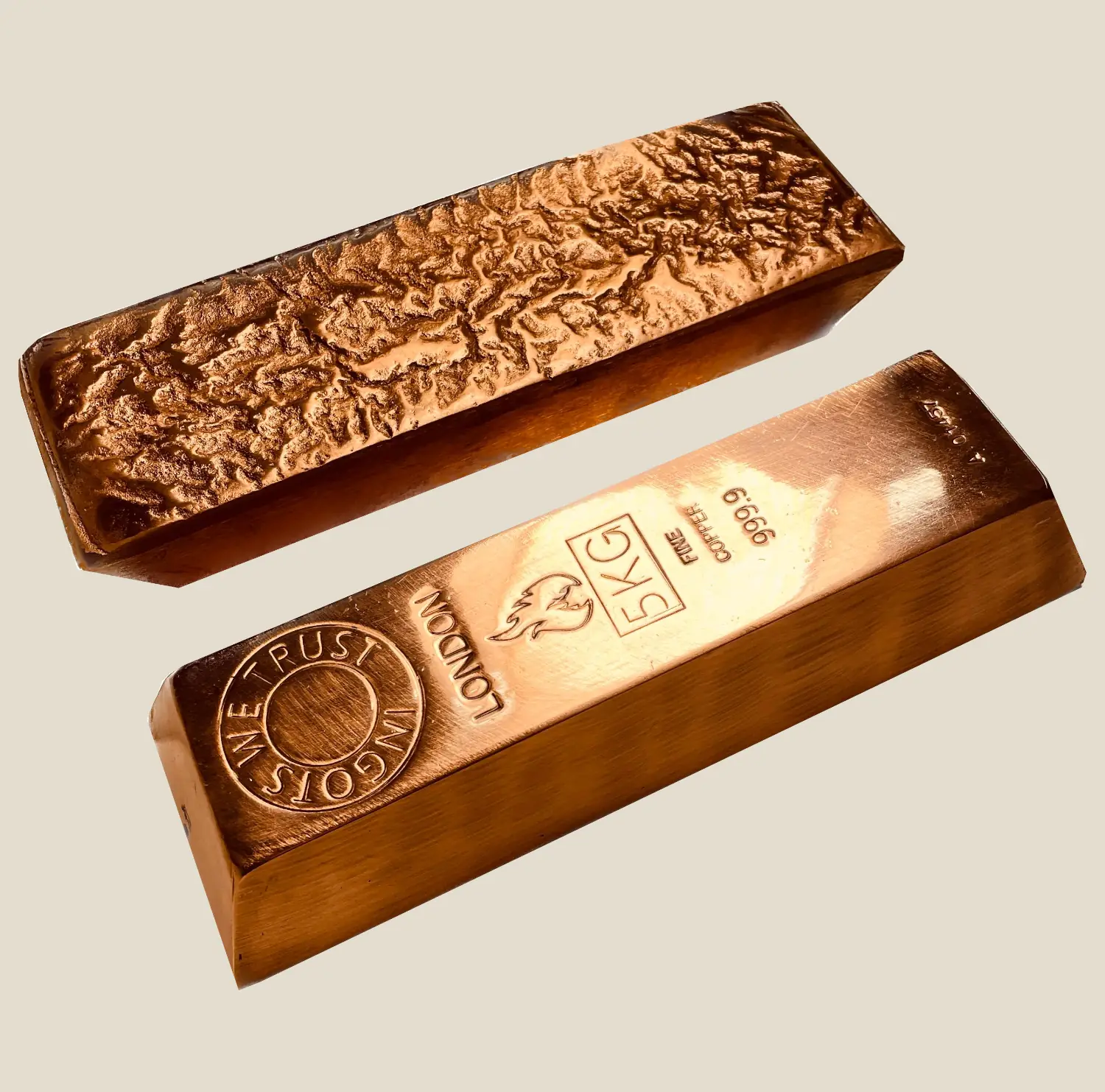
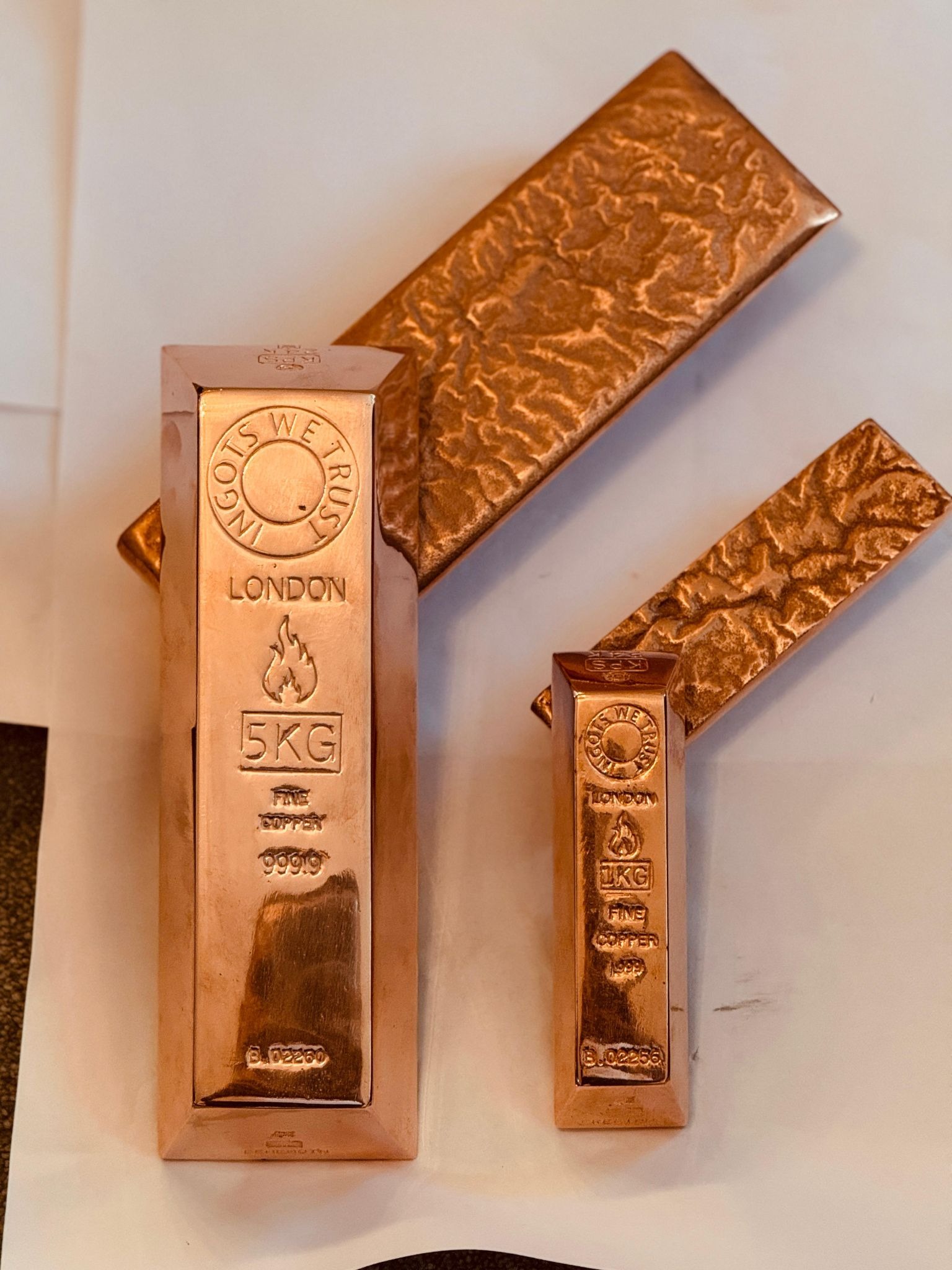
Hand-poured artbars work differently. A maker melts smaller batches, often using a crucible and torch rather than industrial equipment. Each pour happens individually. Cooling is slower and sometimes controlled to create specific visual effects. Finishing involves hand-filing, sanding, or patina application. Stamps are applied individually, not in automated presses. The result is copper products that show evidence of human involvement—slight variations in texture, unique cooling patterns, edges that aren’t perfectly uniform.
On Reddit’s r/Silverbugs and r/Copper, collectors constantly debate this distinction. One thread compared generic bars to artisan pours, with users noting that hand-poured pieces felt more substantial, showed more character, and were simply more enjoyable to own. That intangible quality matters when you’re holding metal for years rather than flipping it for quick profit.
Investing In Copper: When Premiums Make Sense and When They Don’t
If your strategy is pure commodity exposure, chasing hand-poured artbars makes little sense. You want maximum metal weight at minimum cost, which means mass-produced copper plates win every time. Check the copper price per pound, add a small fabrication premium, and stack as much as your storage allows. This is legitimate investing in copper focused entirely on price appreciation.
But many collectors have different goals. They want pieces they actually enjoy owning, metal with provenance and character, and items that might develop secondary market value beyond melt price. Hand-poured artbars address these needs in ways mass production cannot. Limited-edition runs, designs referencing historic copper-mining regions, or work from respected makers can retain their premiums even when copper prices stagnate.
Users on r/Pmsforsale provide real-world evidence of this. Generic copper bars often sit unsold unless priced aggressively. Quality hand-poured pieces from known makers move quickly despite higher prices. Buyers aren’t being foolish—they’re valuing attributes that mass-produced copper plates simply don’t offer. If you’re building a collection you’ll hold long-term, paying for those attributes can make sense.
Copper Prices and Premium Justification: Understanding What You’re Actually Buying
Here’s the trap new buyers fall into. They see a beautiful hand-poured bar, check current copper prices, and can’t understand why the asking price is three or four times melt value. The math seems wrong until you break down what’s actually included in that premium.
You’re paying for the maker’s time and skill—that matters more than people realise. You’re covering small-batch economics where per-unit costs are higher than industrial scale. You’re buying design work, whether that’s original art, historic references, or thoughtful stamping. You’re getting pieces that are finished to a standard that makes them pleasant to handle and display, not just functional metal storage.
Compare this to mass-produced copper plates. The premium is minimal because production costs are low. You get clean, uniform pieces that do one job well: store copper efficiently. There’s no design consideration beyond basic identification. No hand-finishing. No individual character. That’s fine for some purposes, but it’s fundamentally different from hand-poured artbars.
Copper For Sale: How to Evaluate Quality Across Different Product Types
Whether you’re considering hand-poured artbars or mass-produced copper plates, certain quality markers apply. Purity documentation matters—don’t buy mystery metal regardless of production method. Clear weight specifications prevent disputes later. Maker reputation or brand recognition affects resale value, especially for premium pieces.
For hand-poured work, additional factors come into play. Look for clean pours with no excessive pitting or voids. Check that stamps are clear and well-aligned. Examine edges and surfaces for consistent finishing work. On forums like r/Metalworking, craftspeople share examples of both excellent and poor hand-poured work. The difference is obvious once you know what to look for.
Mass-produced copper plates have their own quality spectrum. The best examples show consistent dimensions, clear markings, and proper packaging. Lower-quality mass production sometimes cuts corners on finish quality or uses recycled copper of uncertain purity. When copper is for sale at suspiciously low prices, verify what you’re actually getting before assuming you’ve found a deal.
FAQ: Choosing Between Hand-Poured and Mass-Produced Copper
Q: Should I pay premiums for hand-poured artbars when investing in copper?
It depends on your goals. For pure commodity exposure tracking copper prices, mass-produced pieces make more sense. If you want collectable items with potential secondary market value, hand-poured artbars from respected makers justify their premiums through craftsmanship and limited availability.
Q: How do I know if copper for sale is genuinely hand-poured or just marketed that way?
Look for maker documentation that shows their process, check for slight variations between pieces (true hand-pours aren’t identical), and verify their reputation in collector communities like r/Pmsforsale. Genuine hand-pourers typically share photos of their work and process openly.
Q: Do mass-produced copper plates ever become collectable?
Rarely, unless they’re from historically significant makers or limited production runs. Most mass-produced copper products trade close to the melt value regardless of age. Hand-poured artbars are more likely to develop collector interest over time.
Q: What’s a fair premium over the copper price per kg for quality hand-poured work?
Typically 30-60% for standard artbars, potentially more for limited editions or pieces from highly regarded makers. Mass-produced copper plates usually carry 10-20% premiums. Compare prices across multiple dealers and check recent sales on r/Pmsforsale for market context.
Q: Can I mix both types when building a copper collection?
Absolutely. Many collectors hold mass-produced copper plates for core metal exposure at low premiums, plus select hand-poured artbars for aesthetic enjoyment and potential appreciation. This approach balances cost efficiency with collecting satisfaction.



Leave a Comment