 Skip to content

How Steam Power Transformed Deep Copper Mining In The Nineteenth Century
At the start of the nineteenth century, copper miners knew exactly where the richest ore often waited. It lay deep below ground, where water seeped into every crack and the air grew hot and heavy. For centuries, depth meant danger and limits. Pumps driven by hand, horses, or waterwheels could only clear so much water. Many promising veins were simply abandoned when they became too wet.
Steam power changed that equation. Once engines began to drive pumps, lifts, and machinery around the pits, deep copper mining entered a new era. Mines went farther down, produced more metal, and reshaped the lives of people who worked and lived around them.
From Waterwheels To Steam Engines In Deep Copper Mines
Why Steam Power Was A Breakthrough For Deep Copper Mining
Water was always the main enemy of deep mining. As shafts cut below the natural drainage level, springs and underground streams flooded tunnels. Early miners tried to stay above the wet levels or used simple drainage tunnels where the landscape allowed it.
In many copper districts, however, geology had other plans. To follow the ore, shafts had to sink deeper. Hand pumps, buckets, and waterwheels helped, but they could not keep up once the mine reached certain depths.
Steam engines offered something new:
- Continuous power that did not depend on nearby rivers
- Strong suction and lifting force for large volumes of water
- The ability to run day and night with enough fuel and maintenance
With a reliable engine at the surface, mines could drain levels that had previously been written off. That single change opened more of the copper-bearing rock to human work.
Beam Engines And Pumping Houses On The Surface
In many nineteenth-century copper regions, especially in places like Cornwall, a new silhouette appeared on the skyline. Tall chimneys, engine houses, and heavy beams marked the arrival of steam pumping engines.
These beam engines:
- Stood above the main shafts
- Used large cylinders and pistons fed by high-pressure steam
- Drove pump rods that reached deep underground
Each stroke moved thousands of gallons of water, pushing it up in stages through a series of pipes and pump chambers. The regular thud of the engine became part of the soundscape of mining life, day and night.
How Steam Power Changed Work Inside Deep Copper Mines
Deeper Levels, New Workings and More Ore
As steam engines kept water at bay, mines pushed deeper along copper veins. New levels were opened, often hotter and more cramped than the workings above. Access to richer ore meant more tasks underground:
- Miners followed narrow lodes far below earlier stopes
- Support workers maintained pump rods and pipework underground
- New shafts were sunk to connect deep levels with the surface
Higher output fed smelters and traders, while mine owners hoped that extra volume would cover the cost of fuel and machinery.
Hoisting, Ventilation, and Surface Handling
Pumping was only the first way steam entered copper mines. Once engines proved their worth, operators began to use them wherever hard physical work had to be repeated for hours.
Steam power helped to:
- Hoist ore and waste rock in cages instead of simple hand winches
- Lift miners more quickly between levels, saving time and energy
- Move air with mechanical ventilation systems in some advanced works
On the surface, smaller engines drove crushing stamps, winding gear, and sometimes simple rail systems. Each new engine reduced the amount of human or animal muscle needed for tasks that had once defined mining work.
Costs, Risks and the New Economics Of Deep Copper Mining
Fuel, Maintenance, and Investment
Steam power was not a free gift. It required coal, water, skilled engineers, spare parts, and constant attention. Mines that embraced engines had to think like industrial businesses, not just like small partnerships with a single shaft and a few workers.
Their budgets now included:
- Purchase and installation of expensive engines
- Regular fuel bills that rose with production
- Wages for engineers and engine drivers with specialised skills
If copper prices fell or ore quality dropped, these fixed costs turned into heavy burdens. Some mines closed because they had invested too much in machinery for the revenue they could earn from the rock. Others survived and grew because their engines allowed them to ride out difficult periods with steady output.
Safety Gains And New Dangers
Steam engines helped reduce some dangers and introduced others. Better pumping meant fewer sudden floods in deep levels. Faster hoisting could shorten exposure to bad air and heat.
At the same time, engines brought:
- Risks of boiler explosions if maintenance is failed
- New mechanical accidents around moving beams, gears, and cables
- Dependence on a single machine, so a breakdown could halt the entire mine
The nineteenth-century deep copper mine became a place where traditional hazards like rock falls and gas stood alongside modern mechanical risks.
Communities Around Steam Powered Copper Mines
Engine Houses As Local Landmarks
In many districts, engine houses stood as symbols of both pride and power. Their tall chimneys could be seen from miles away. Their constant noise reminded people that work underground never really stopped.
For miners and their families, the arrival of steam meant:
- More stable employment when the mine succeeded
- Shifts tied to the rhythm of machines, whistles,and maintenance cycles
- A sense that their town had joined the modern industrial world
Engine drivers and engineers formed a respected group within the community. Their skills were hard to replace, and their decisions affected both safety and production.
Environmental Changes On The Surface
Steam-powered deep copper mining also altered the landscape. Fuel needs and waste increased as production grew. People saw:
- More spoil heaps and tailings piles
- Smoke from engine chimneys darkens the sky
- Greater pressure on local water supplies for boilers and processing
These changes shaped local health, agriculture and long-term land use. The cost of deeper copper did not vanish when the ore left the shaft. It stayed in the air, soil and streams of the districts that fed industrial demand.
From Steam Powered Pit To Modern Ingots: KPS and Ingots We Trust
In the nineteenth century, steam power gave mine owners new control over depth, water, and output. The people who understood engines, pumps, and costs made decisions that affected entire communities. Most miners and families never saw the account books. They simply felt the results as more shifts, deeper levels, or sudden closures.
Today, copper still underpins modern technology, from wiring and motors to renewable energy systems. For many people, the question is not how to reach a deeper vein, but how to treat copper as part of a portfolio or collection in an informed way.
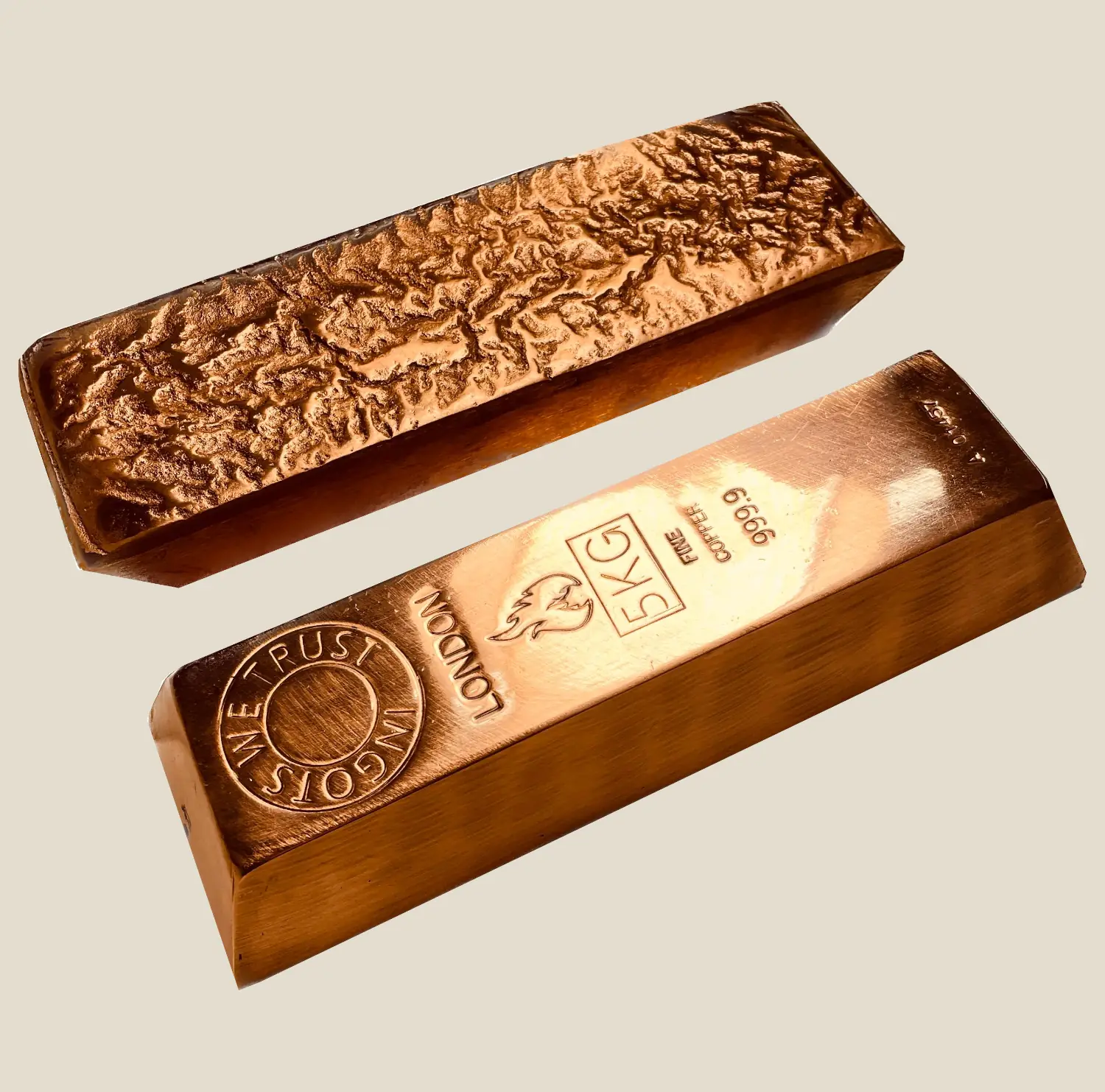
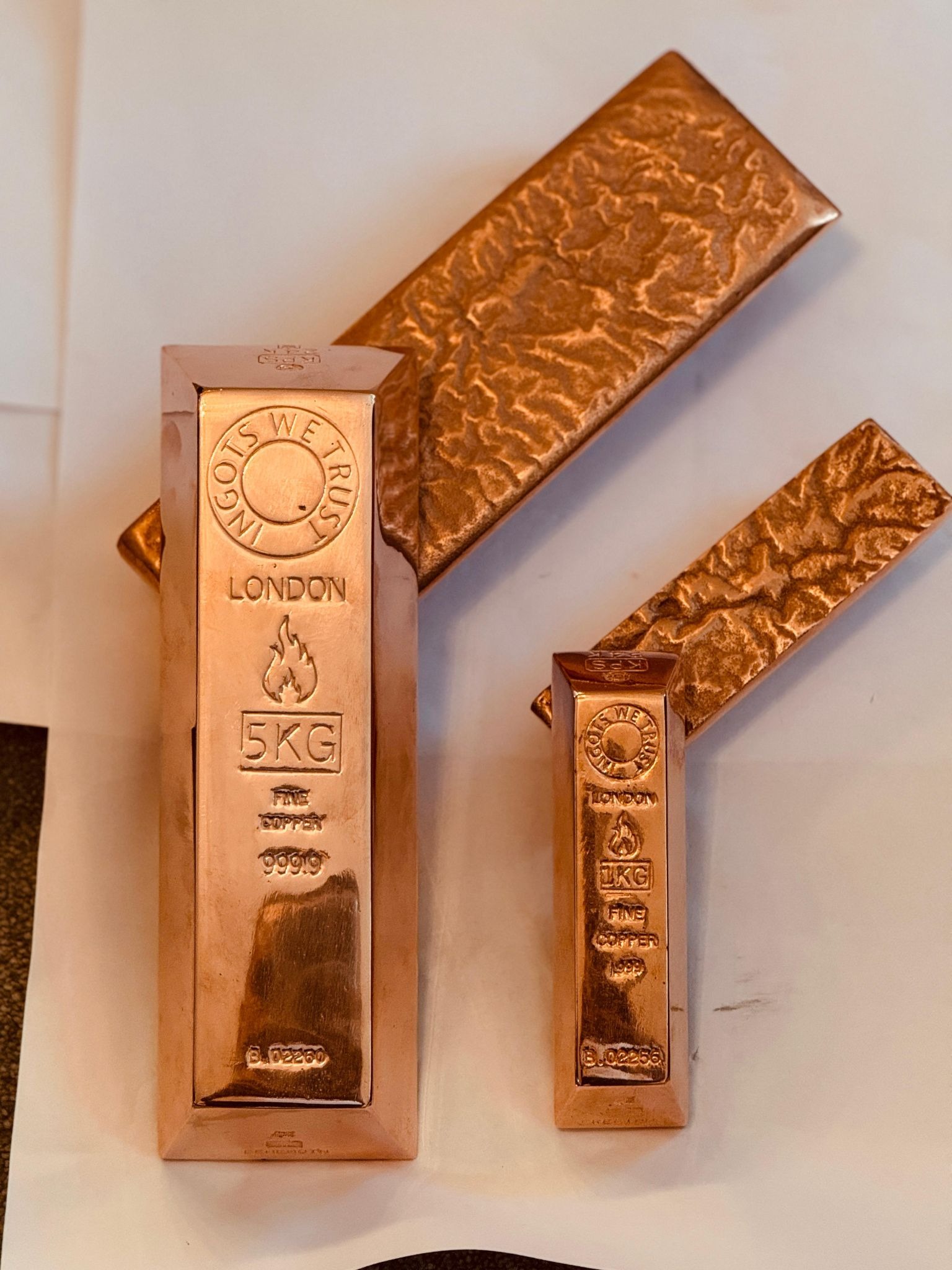
This is where modern platforms such as KPS (Karat Purity Scale) and Ingots We Trust come into the story. KPS focuses on clear and structured purity information. It gives users a way to judge the real metal content of ingot products without needing to trust vague descriptions.
Ingots We Trust highlights specific copper ingots and other ingot pieces with transparent product details. Anyone interested in holding physical copper can see what they are buying, from weight to stated purity, before they commit.
In a sense, KPS and Ingots We Trust offer a kind of control that once belonged only to engine-owning companies. Instead of hidden technical knowledge deciding outcomes, individuals can now use open information to guide their own copper choices. Learn more about How Copper Mining Built Coastal Towns In Britain and Beyond
FAQs About Steam Power And Deep Copper Mining
1. Why was steam power so important for deep copper mining in the nineteenth century?
Steam power allowed mines to pump out large volumes of water from deep levels that earlier methods could not handle. This made it possible to follow copper veins farther underground, expand production and keep shafts open that would otherwise have flooded and closed.
2. How did steam engines work in copper mines?
Most deep copper mines used beam engines powered by coal-fired boilers. Steam pushed a piston in a large cylinder, moving a heavy beam that drove pump rods down the shaft. These rods operated pumps at different levels, lifting water step by step to the surface.
3. Did steam engines make mining completely safe?
No. Steam engines solved some problems but introduced new risks. They reduced flooding and could improve hoisting and ventilation, but they also created hazards such as boiler explosions and mechanical accidents. Mining remained a dangerous occupation, even with advanced machinery.
4. How did steam power affect mining communities on the surface?
Steam power brought more stable jobs in some periods, new roles for engineers and engine drivers and a stronger industrial identity for towns. It also increased smoke, waste and pressure on local resources. Engine houses became landmarks, but they also symbolised greater dependence on machines and distant markets.
5. How do KPS and Ingots We Trust relate to this history of steam and copper?
KPS and Ingots We Trust operate in the modern ingot world, but they echo a similar theme. In the nineteenth century, control of engines and technical knowledge shaped who benefited from deep copper mining. Today, clear purity standards and transparent product information from KPS and Ingots We Trust help shift control toward individual buyers, letting them make informed decisions about copper as part of their own long-term plans.



Leave a Comment