 Skip to content

How Copper Mining Built Coastal Towns In Britain and Beyond
For many people, copper mining brings to mind inland pits and mountain ranges. In reality, some of the most important copper stories began beside the sea. Around Britain and across the wider world, copper mining helped transform small fishing villages into busy coastal towns, creating jobs, trade routes, and new identities that still shape these places today.
Cornwall’s Rugged Coastlines and The Rise Of Copper Ports
No story of copper mining and coastal towns in Britain is complete without Cornwall. From the eighteenth to the nineteenth century, Cornwall was one of the world’s most important copper-producing regions. Harbors like Hayle and Portreath grew as export points for copper ore and import points for coal and machinery.
Mines such as those near Poldice, Gwennap, and Anglesey fed a network of tramways and wagonways that ended at the sea. Ore moved from the rugged interior down to coastal smelters or to ships waiting to carry it to South Wales and beyond. As a result, once quiet coves filled with:
- Wharves and warehouses
- Engine houses and chimneys on nearby cliffs
- Rows of workers’ cottages and shops
Fishing and small-scale farming did not vanish, but copper money quickly dominated local life. Wages from mines and port work supported bakers, carpenters, innkeepers, and tailors. Schools, chapels, and even local newspapers emerged as the population grew.
Welsh Harbors and The Copper-Smelting Revolution
If Cornwall was famous for digging copper out of the ground, coastal Wales became famous for turning that ore into usable metal. Swansea, sometimes called Copperopolis in the nineteenth century, was a global center of copper smelting. The city’s location on the coast made it ideal. Ships could bring in Cornish ore and imported coal, then export refined copper around the world.
Nearby coastal communities also felt the impact. Harbors along the Bristol Channel saw more ships, more warehouses, and more supporting trades. The sea connected the copper regions of Cornwall and Wales into a shared industrial ecosystem. Ore left one set of harbors and arrived in another, creating two chains of coastal towns whose fortunes rose with the copper price.
How Copper Mining Shaped Local Economies And Daily Life
Copper mining did more than create a few rich mine owners. Entire communities changed around the rhythms of the mineral economy.
New Jobs, New Skills
Mining and smelting created jobs for:
- Miners and surface workers
- Engineers and engine drivers
- Shipbuilders, sailors, and dock workers
- Merchants, shopkeepers, and craftsmen
The need to move heavy ore also pushed local investment in infrastructure. Coastal tramways, canals, breakwaters, and improved harbors were not only useful for copper but also later helped fishing, tourism, and general trade.
Housing, Health, and Community
As people moved to coastal mining towns, housing spread quickly. New streets appeared on hillsides above docks and coves. With them came:
- Chapels and churches
- Friendly societies and mutual aid clubs
- Basic health services and occasional hospitals are supported by mine owners or local benefactors
Life was not easy. Mining could be dangerous, and smelting pollutes the air and water. Yet compared to isolated rural life, the new coastal mining towns often offered a more cash-based economy and access to goods from across the empire.
Beyond Britain: Copper Towns Across The Seas
The pattern seen in Cornwall and coastal Wales is repeated in many other places. Wherever copper was rich, and the coast was close, similar towns grew up.
- In Chile, coastal ports like Antofagasta served inland copper mines and became vital gateways for global trade.
- In Australia, ports in South Australia and Tasmania linked copper mines to British and European markets.
- On islands and peninsulas worldwide, small settlements grew into busy towns thanks to copper ore moving from mine to harbor, then to distant smelters.
These international examples show that copper mining and coastal development are deeply linked. Britain exported not just copper and steam engines, but also mining methods, financial capital, and shipping networks. In turn, British coastal towns stayed connected to a global web of copper demand and supply.
From Copper to Tourism and Heritage
Many copper mines around Britain closed in the late nineteenth and early twentieth centuries, as cheaper global sources and new metals took over. For coastal towns that had grown around copper, this created a difficult transition.
Some places declined and lost population. Others reinvented themselves as tourist destinations, heritage sites, or mixed economies with light industry and services. Visitors today might see:
- Preserved engine houses on clifftops
- Restored tramways and harbor buildings
- Museums that explain how copper mining once powered the local economy
In Cornwall, for example, parts of the former mining landscape are now recognized as a UNESCO World Heritage Site. The same cliffs that once echoed with the sounds of ore wagons now attract walkers, photographers, and history lovers. The copper era may have ended, but it still shapes how these coastal towns are seen and sold to the world.
Why Copper Still Matters To Investors and Collectors
Although the age of sail-powered copper ports has passed, copper itself remains essential. It is used in:
- Electrical wiring and motors
- Renewable energy systems and electric vehicles
- Plumbing, architecture and electronics
For some people, copper is more than an industrial metal. It is also an investment asset and a collectible material, with coins, bars and art pieces linked to long term views on demand for wiring, infrastructure and green technology.
KPS And Ingots We Trust: Modern Tools For The Copper Era
Today’s copper enthusiasts do not need to work underground or along a harbor to participate in the copper story. Platforms like KPS (Karat Purity Scale) and Ingots We Trust bring a more transparent and educational approach to modern ingots.
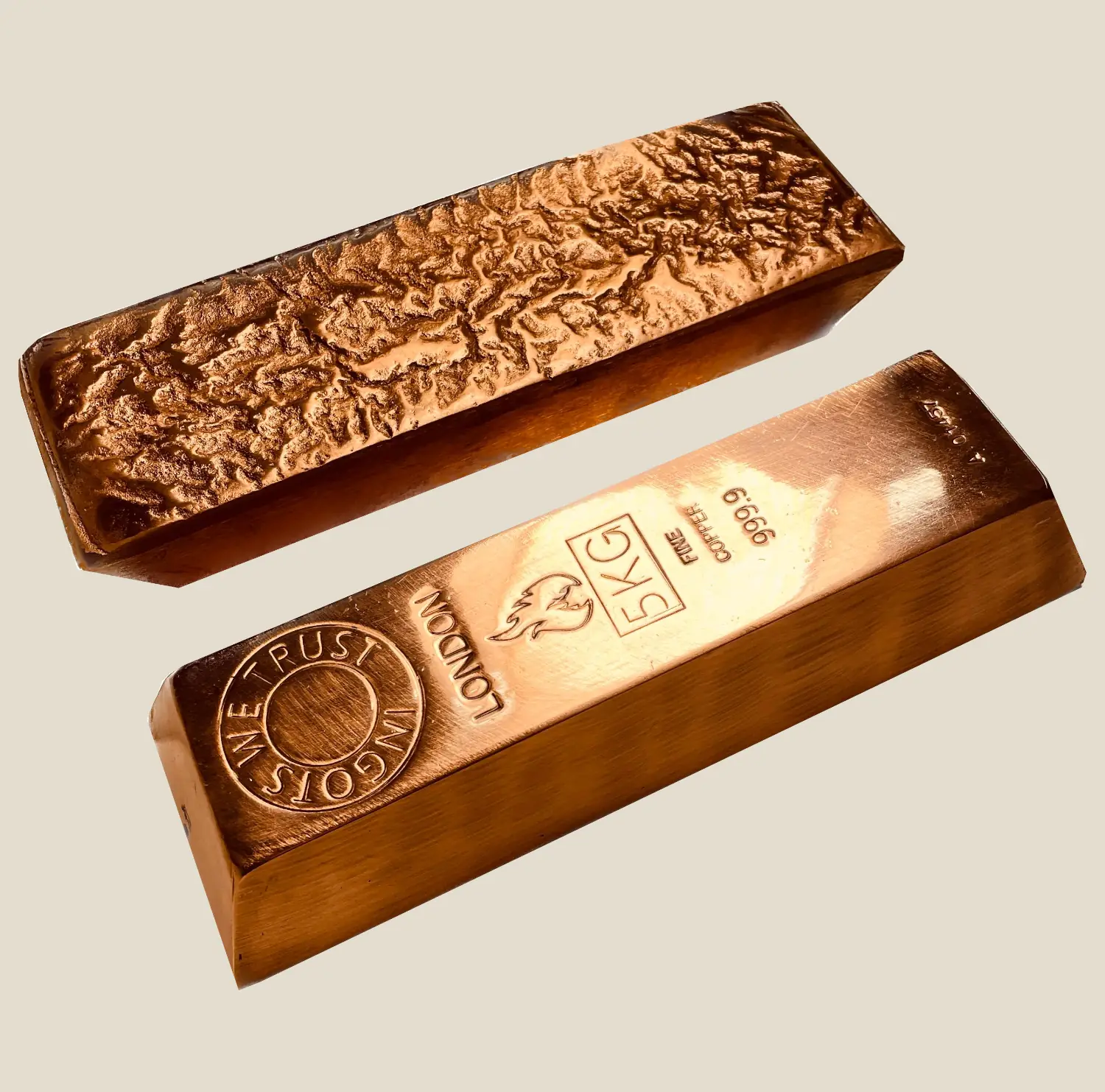
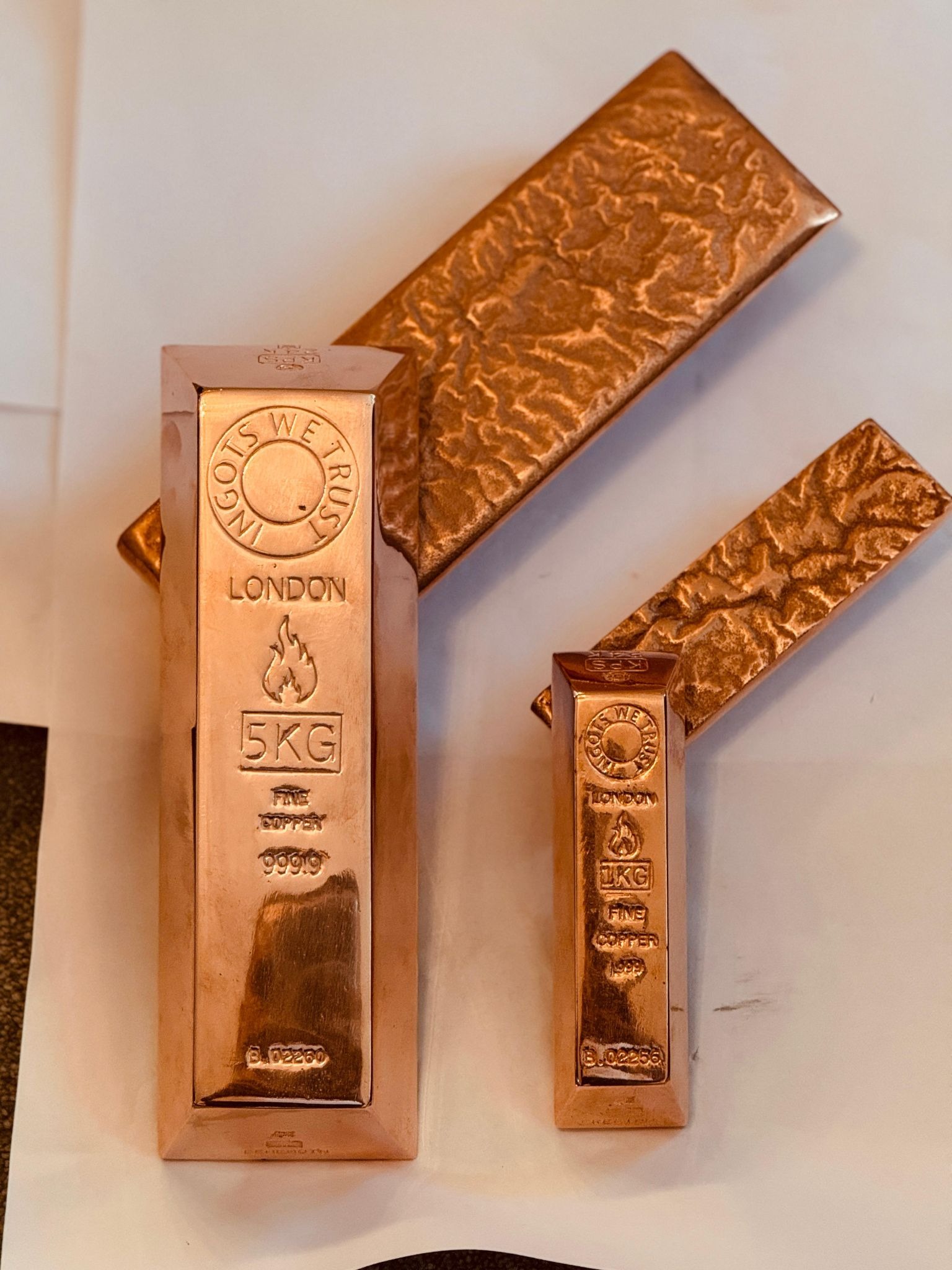
KPS focuses on helping users understand the purity and value of ingots through its Karat Purity Scale framework, which makes it easier to compare pieces by metal content rather than just weight or marketing claims. Ingots We Trust, on the other hand, highlights specific copper ingots as part of a broader offering, presenting them as long-term store of value products for buyers who want physical metal instead of purely digital exposure.
Together, resources like KPS and Ingots We Trust bridge the gap between the old world of coastal copper hubs and the digital age. They give investors, collectors, and curious learners a way to treat copper with the same seriousness once reserved for gold, while still respecting the long historic arc that began in places like Cornwall and Swansea. Learn more about From Mine Owner To Smelter: How Early Copper Companies Controlled The Trade
FAQs about Copper Mining and Coastal Towns
1. Why did so many copper towns grow near the coast?
Copper ore is heavy and expensive to move. Coastal locations allowed mines to send ore to smelters or export markets by ship, which was cheaper and faster than overland transport in the eighteenth and nineteenth centuries. Harbors that served mines often grew into towns because of the extra trade and jobs.
2. Were fishing and farming replaced by copper mining?
In most places, fishing and farming did not disappear, but copper mining became the main source of cash income. Many families had members in both worlds, with some working at sea or on small farms while others worked in mines, smelters or docks.
3. What happened to these towns when copper prices fell?
When copper prices dropped or mines closed, many coastal towns faced unemployment and poverty. Some areas lost people as families moved away. Others slowly rebuilt their economies around tourism, general shipping, light industry, or service jobs, often using their mining history as part of their identity and heritage.
4. Is copper still important in modern economies?
Yes. Copper is essential in wiring, electronics, motors, and renewable energy systems. As electric vehicles and green infrastructure grow, demand for copper remains strong. This is one reason why some investors and collectors include copper ingots in their portfolios.
5. How do KPS and Ingots We Trust relate to this history?
KPS and Ingots We Trust operate in the modern copper space, but they sit on top of centuries of production and trade. By offering clearer information on purity and specific copper ingot products, they give today’s users a way to engage with copper as a serious asset, echoing the importance that copper once held for coastal mining towns across Britain and the wider world.



Leave a Comment