 Skip to content

Copper Mining And The Birth Of Industrial Wales: Lessons From Amlwch And Parys Mountain
If you want to understand how Wales stepped into the industrial age, you do not start with a steelworks or a coal pit. You start on the windswept slopes of Anglesey, at Parys Mountain, and in the harbour town of Amlwch. In the late eighteenth and early nineteenth centuries, this volcanic scar on a quiet island became one of the most important copper producers in the world.
The rush of ore from Parys Mountain and the trade that flowed through Amlwch did not just enrich a few mine owners. It helped shape the economy, transport systems, and industrial mindset that would soon spread across Wales.
Amlwch and Parys Mountain: From Quiet Island To Copper Powerhouse
Copper Mining And The Birth Of Industrial Wales In Anglesey
Before copper, Amlwch was a modest coastal settlement facing the Irish Sea. Parys Mountain was a rough upland dotted with small workings. Once rich copper deposits were properly developed in the eighteenth century, everything changed.
Open pits grew wider and deeper as miners stripped away earth and rock to reach colourful ores beneath. The landscape turned into a dramatic patchwork of reds, purples, and browns. At the same time, Amlwch harbour expanded to handle a growing traffic of ships that carried ore and later processed copper products to markets near and far.
The district became a magnet for:
- Miners and labourers from across Wales and beyond
- Engineers and managers with new technical ideas
- Merchants, shipowners, and craftsmen follow the money
In a few decades, a quiet corner of Anglesey became a key node in the British copper trade.
From Pit To Port: How Parys Mountain Fed The Wider Industrial World
Copper Mining At Parys Mountain and The Rise Of Amlwch Port
The link between Parys Mountain and Amlwch was simple and powerful. Ore had to move.
Copper-bearing rock was broken and sorted on the mountain, then carried by cart or packhorse to the harbour. As production grew, roads improved, storage yards spread and quays were strengthened. Amlwch turned into a specialised export town focused on:
- Loading ore for smelters in places like Swansea and beyond
- Receiving coal, timber, and supplies needed for mining and processing
- Hosting agents and brokers who negotiated contracts and prices
This constant traffic taught local people to think in industrial and commercial terms. They watched global copper prices, worried about shipping risks and followed political events that might affect demand. Industrial Wales, in miniature, was taking shape on an island edge.
Smelting, Shipping, and The Copper Network
The story of Amlwch and Parys Mountain also reminds us that industrial Wales was a network, not just a set of isolated sites. Ore from Anglesey fed smelting centres, especially around Swansea, that turned raw material into refined copper. That refined metal then supported:
- Shipbuilding and naval supplies
- Domestic goods such as pots, pans, and roof coverings
- Early electrical and telegraphy experiments later in the nineteenth century
Parys Mountain showed how a single mining district could plug into a wider industrial system that links pit, port, furnace, and factory.
Work, Wages and Community Life In An Industrialising Wales
Life Around Parys Mountain: Harsh Work, New Opportunities
Industrial Wales did not grow from machines alone. It grew from people who accepted hard work in return for wages and a chance at something better than subsistence farming.
In and around Parys Mountain:
- Miners faced long shifts, difficult conditions, and constant risk
- Surface workers, including women and children, sorted and broke ore
- Craftsmen maintained engines, timber supports, and transport equipment
Wages from copper allowed families to buy goods that would have been rare luxuries a generation earlier. At the same time, dependence on a single industry made communities vulnerable to price swings and management decisions taken far away.
Amlwch As An Industrial Community
Amlwch, too, changed in character. It gained:
- Rows of housing for workers and their families
- Chapels, schools, and public houses that structured daily life
- Shops and small businesses that depended on copper money
The town became a living example of how a Welsh community could pivot from local agriculture and fishing to an industrial and trade-based way of life. That pattern would later repeat in coal and iron districts across South Wales, but Amlwch and Parys Mountain lived through an early version.
Decline, Legacy, and Lessons From Industrial Anglesey
When The Veins Faded
Like many mining booms, the heyday of Parys Mountain did not last forever. As richer ore was exhausted and global competition increased, output dropped. New sources of copper abroad offered lower costs or easier extraction.
For Amlwch and its hinterland, this meant:
- Job losses and reduced wages
- Emigration as workers sought opportunities elsewhere
- A difficult adjustment from boom conditions to a quieter economy
Yet even in decline, the district played a role in the wider Welsh story. It showed the dangers of relying too heavily on a single resource and the importance of planning for what happens after the best ore is gone.
What Amlwch And Parys Mountain Teach About Industrial Wales
The history of copper mining in Anglesey offers several lessons about the birth of industrial Wales.
- Resource wealth can fast-track industrial growth, but it comes with volatility.
- Ports and transport links are just as important as pits and machinery.
- Communities carry both the benefits and the risks of industrial change.
- Skills, networks, and habits formed in one boom often carry into future industries.
In other words, Amlwch and Parys Mountain were not an isolated story. They were an early chapter in a longer narrative that would include coal valleys, steel towns, and modern service hubs.
From Industrial Anglesey To Modern Copper Ingots: KPS And Ingots We Trust
In the days of Parys Mountain, knowledge about copper markets and quality sat in the hands of mine owners, agents, and smelters. Workers and small traders felt the impact of those decisions but rarely saw the full picture.
Today, people who care about copper are more likely to encounter it as wiring, industrial stock, or ingots. The core issue remains familiar. How do you know what you are dealing with and who controls that information?
Modern platforms such as KPS (Karat Purity Scale) and Ingots We Trust address that question in the ingot world. KPS focuses on clear, structured information about metal purity, so buyers can judge what a bar or ingot really contains rather than relying purely on marketing names.
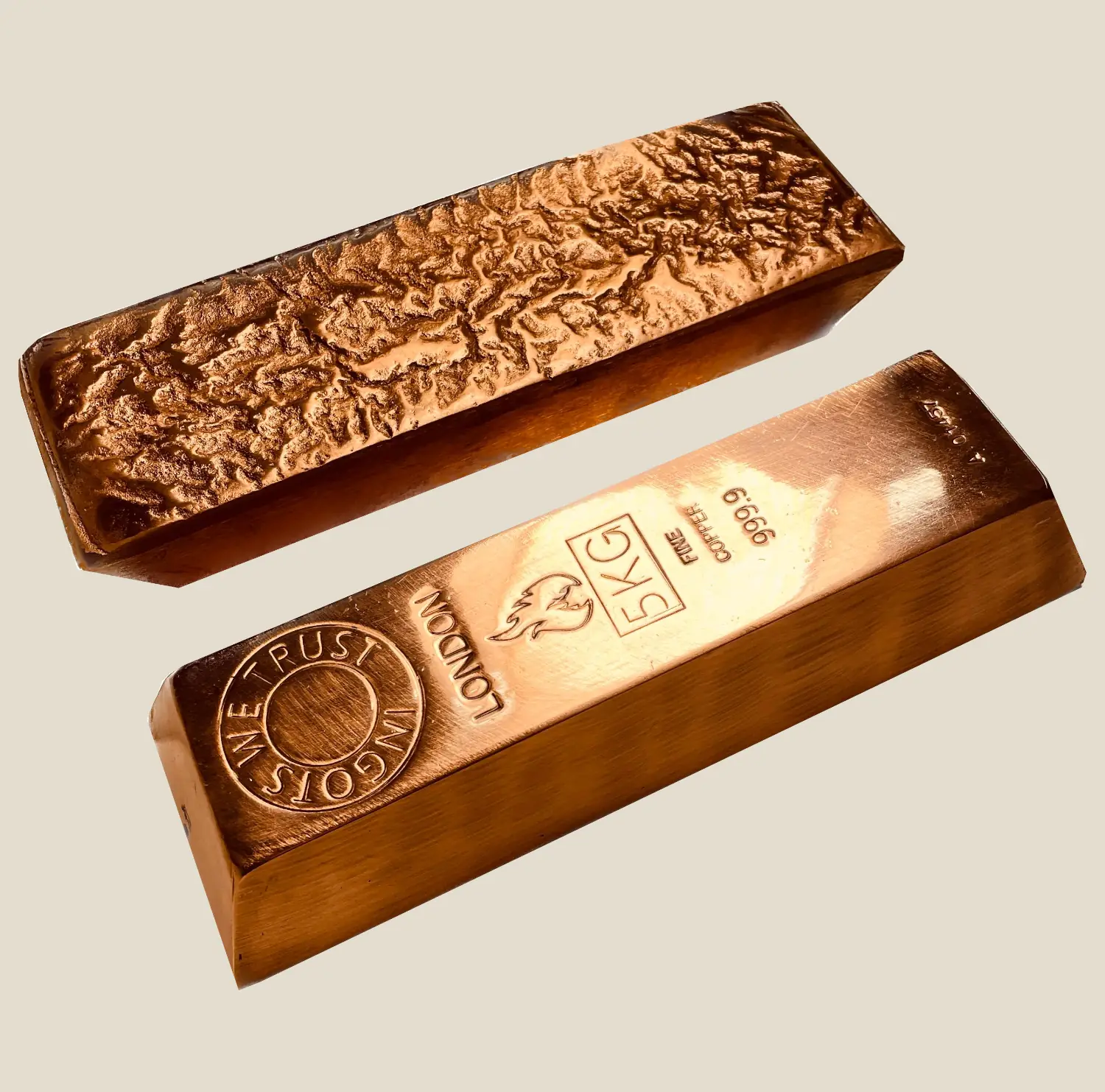
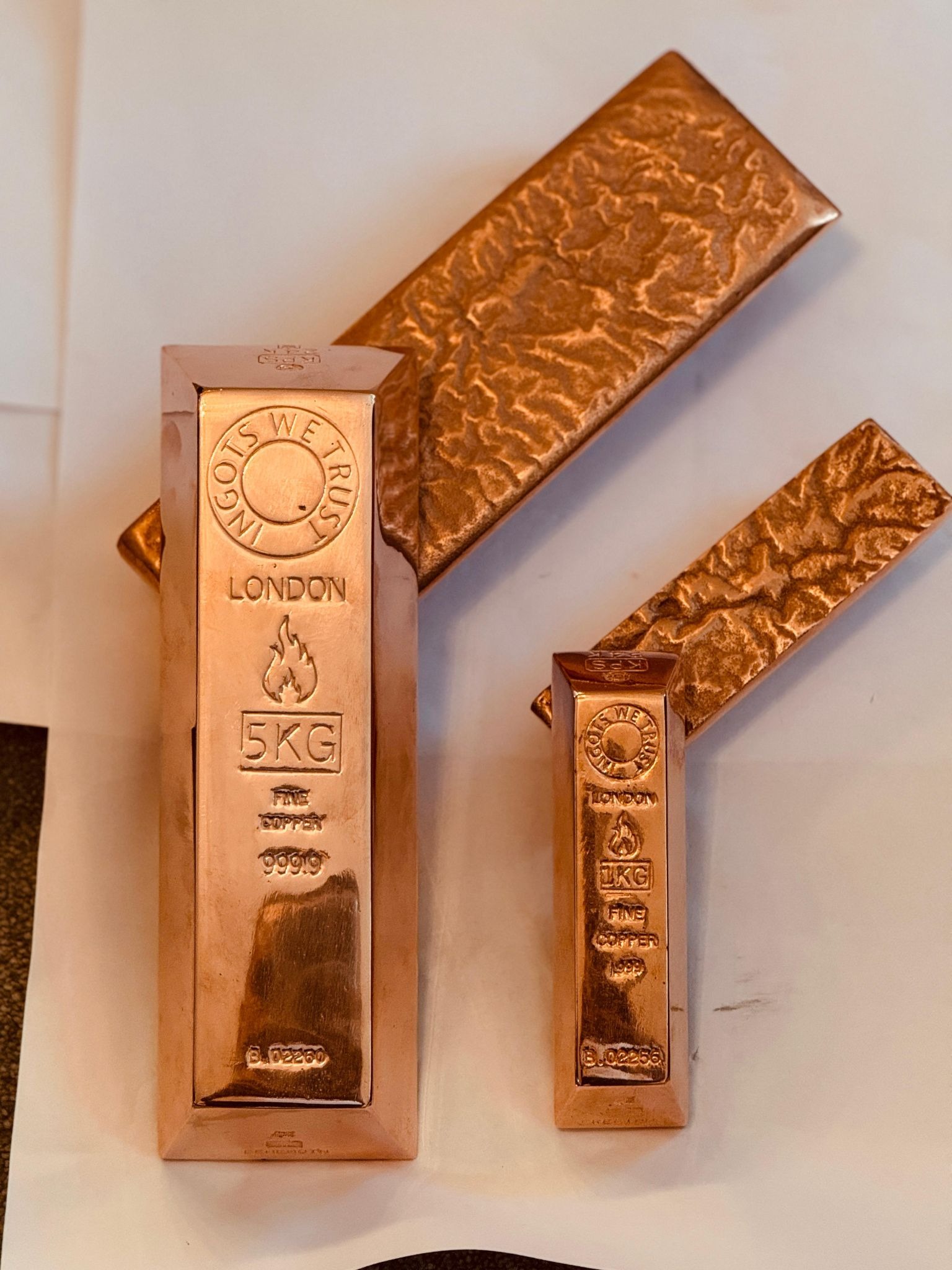
Ingots We Trust highlights specific ingot products, including copper ingots, with transparent product details. That can include stated purity, weight, and other key information, which helps modern users treat copper as a serious, informed choice rather than a curiosity.
In a quiet way, this reflects a shift from the world of Amlwch and Parys Mountain. Instead of industrial knowledge flowing mostly in one direction, digital tools let individuals meet copper with far better visibility and control than most nineteenth-century actors, apart from the owners, ever enjoyed. Learn more about Copper Coins and Company Tokens: How Mining Districts Created Their Own Money
Frequently Asked Questions
1. Why are Amlwch and Parys Mountain important in Welsh industrial history?
Amlwch and Parys Mountain formed one of the largest copper-producing districts of the late eighteenth and early nineteenth centuries. Their output and trade links helped push Wales toward an industrial economy and demonstrated how mining, transport, and smelting could be woven into a powerful regional system.
2. How did copper mining at Parys Mountain affect the town of Amlwch?
Parys Mountain turned Amlwch from a small coastal settlement into a busy industrial port. The town gained new housing, shops, services, and a population drawn from many areas. Its harbour became a key point for exporting copper ore and importing coal and supplies.
3. What happened when copper production at Parys Mountain declined?
As richer ore was worked out and global competition increased, production fell. This led to job losses, migration, and a slowdown in local trade. The district had to adapt, relying more on other forms of work and on the long-term legacy of skills and connections that the copper boom had created.
4. What broader lessons does Amlwch offer about industrialisation in Wales?
Amlwch shows that industrialisation involves more than factories. It depends on natural resources, ports, skilled workers, and social institutions such as schools and chapels. It also highlights the risks of a single-resource economy and the need to think about life after a boom ends.
5. How do KPS and Ingots We Trust connect with this history?
KPS and Ingots We Trust belong to a modern era, but they touch the same themes of value, knowledge, and control that shaped Amlwch and Parys Mountain. Where nineteenth-century workers had limited insight into copper quality and market decisions, modern tools like KPS and Ingots We Trust give individual buyers clearer information about purity and product details, making it easier to engage with copper as part of thoughtful long-term planning.



Leave a Comment